According to an article by Mark Lowel, BBC News correspondent in Athens, tourism is on the rise as austerity-hit Greece emerges from crisis.
The BBC correspondent visited Crete, where he spoke with business owners in the tourism industry, in order to get their perspective on the “Greek recovery”.
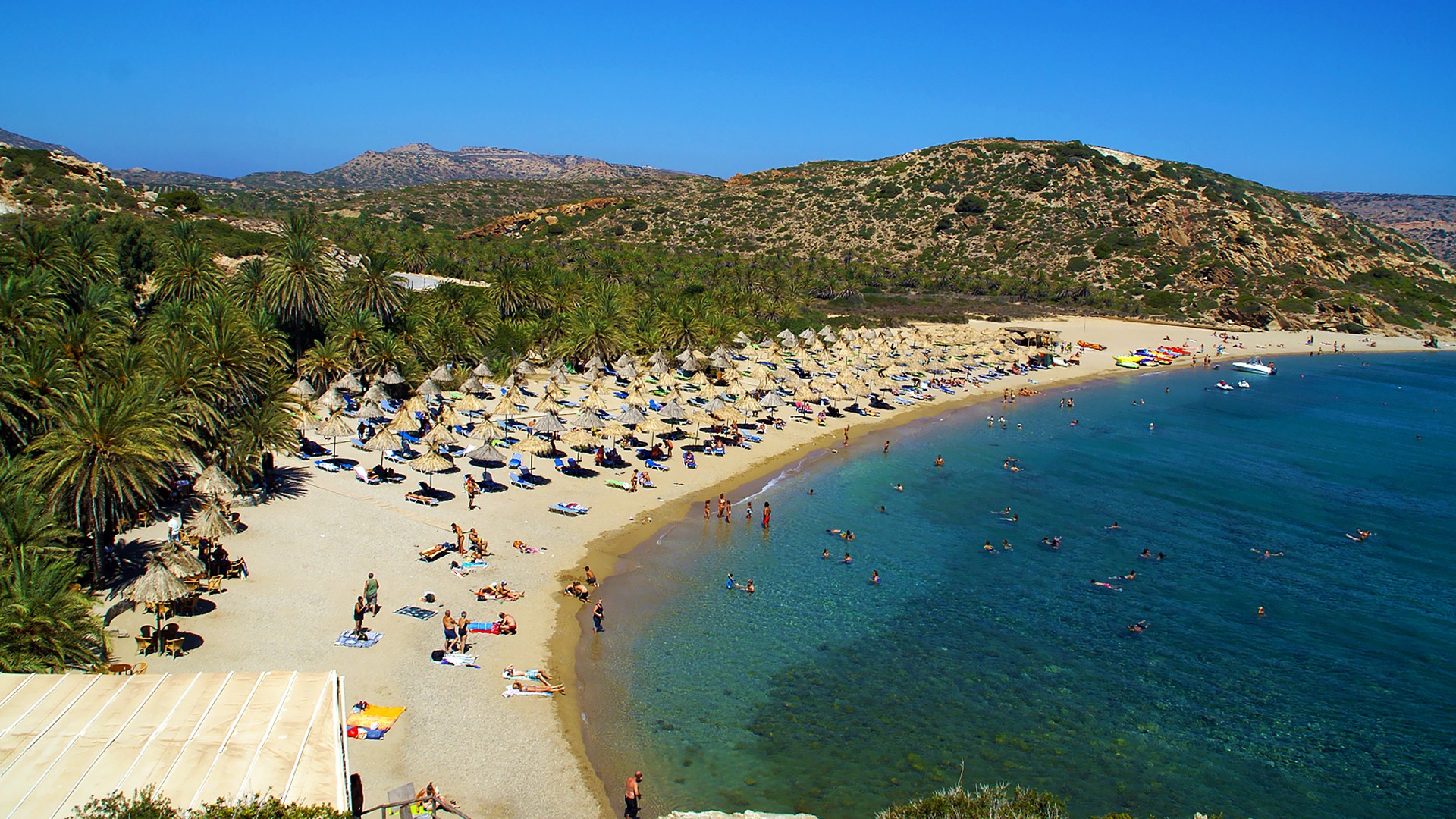
As Mark Lowel reports, hotels in Crete are all booked out for the entire summer, a pattern seen across Greece.
“Tourists are set to be up by 20% on last year and have almost doubled since 2010 when the financial crisis hit,” Lowel notes, adding that “it’s returning confidence that Greece may finally have turned a corner that has brought holidaymakers back”.
According to Manos Arvanitakis, Kahlua beach bar’s owner, Greece is making a new start. “Things here are more stable as regards politics, the euro and everything. People from other countries feel more relaxed about coming to Greece: now they don’t have a reason not to come and there are plenty of reasons to come,” he says.
BBC correspondent also had the chance to discuss with British and German tourists enjoying the sun and the sea on a packed beach near the Cretan capital, Heraklion, who confirmed that they are getting the sense of a Greek recovery.
However, beneath the surface of paradise Crete pain continues, Mark Lowen reports.
In the space of four years, Greece has wiped out its deficit, apart from interest payments on its 240bn euro bailout from the IMF and eurozone. It’s the biggest economic adjustment of any country since World War Two, but it has come at a huge cost, with biting austerity measures to slash public spending.
“Taxes have soared, and salaries and pensions were cut by on average 40%. When you’re among the one in four without a job here, a so-called ‘primary budget surplus’ doesn’t mean much”, notes Mr. Lowel.
As the reporter mentions, suicides are up in Greece by 45% since the financial crisis hit, according to the charity Klimaka. Only in Heraklion, three hundred people a day depend on the food handout. Most are the so-called “new poor” who used to have a decent wage and a stable job.
The correspondent concludes the article by noting that, “in many ways, the jewel of the Mediterranean is shining once again. But there is a darker side to this story and for so many Greeks, the prospect of ‘recovery’ is still a distant point on the horizon.”
Source: BBC News
Ask me anything
Explore related questions