
×
GreekEnglish

×
  • Politics
  • Diaspora
  • World
  • Lifestyle
  • Travel
  • Culture
  • Sports
  • Cooking
Monday
12
Jan 2026
weather symbol
Athens 7°C
  • Home
  • Politics
  • Economy
  • World
  • Diaspora
  • Lifestyle
  • Travel
  • Culture
  • Sports
  • Mediterranean Cooking
  • Weather
Contact follow Protothema:
Powered by Cloudevo
> World

Hungary: Russia to build two new reactors at nuclear plant outside Budapest

The plans for the two new reactors serve Hungary's strategic interests, Foreign Minister Péter Szijjártó said

Newsroom August 26 01:05

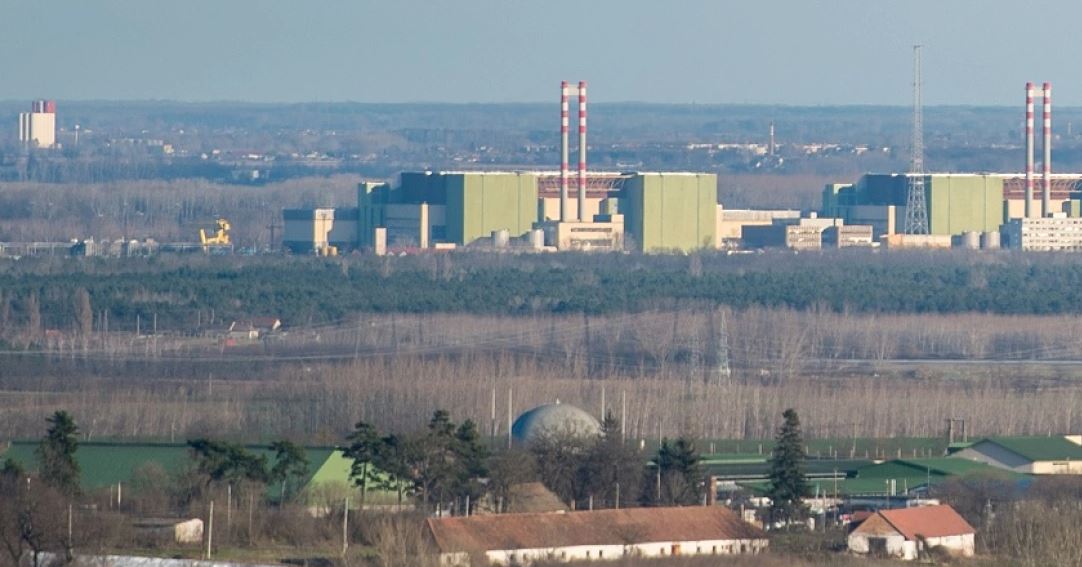
Hungary’s nuclear regulator has granted a license to develop two new reactors at the Paks nuclear power plant, to be built by Russia’s Rosatom, under an agreement signed in 2014 between Budapest and Moscow.

Despite serious delays, the project, which was awarded without a tender to Rosatom, has often been cited as “proof of the close ties” between Hungarian Prime Minister Viktor Orbán and Russian President Vladimir Putin.

In a decision published on its website late on Thursday, Hungary’s Nuclear Energy Authority said the existing Russian-built 2 gigawatt plant in Paks can be expanded with two new reactors, pending further permits.

>Related articles

Hits on Russian Lukoil oil platforms from Ukraine

Zelensky: The document with security guarantees for Ukraine is ready for Trump’s approval

Any Western troops in Ukraine will be considered “legitimate targets”, Russia warns

Hungary plans to expand the Paks plant (100 kilometers outside Budapest ) with two Russian-made reactors, each with a capacity of 1.2 gigawatts. Nuclear power is not subject to sanctions by the European Union.

The plans for the two new reactors serve Hungary’s strategic interests, Foreign Minister Péter Szijártó said after a meeting in May with Rosatom’s chief executive. According to what has been reported, Russia will give Hungary a state loan of up to 10 billion euros for the new project, while the total cost of works at the plant will amount to 12.5 billion euros.

The Paks plant currently has four small Russian-made reactors with a combined capacity of about 2,000 megawatts, which began operating between 1982 and 1987. The plant now produces almost half of all electricity in Hungary.

Ask me anything

Explore related questions

#construction#Hungary#nuclear power plant#russia
> More World

Follow en.protothema.gr on Google News and be the first to know all the news

See all the latest News from Greece and the World, the moment they happen, at en.protothema.gr

> Latest Stories

Tax returns: AADE platform now live for filing separate tax declarations by spouses

January 12, 2026

Joint statements of Mitsotakis – Sánchez from Madrid (video)

January 12, 2026

Erich von Däniken, Swiss bestselling author who linked ancient civilizations to extraterrestrials, dies at 90

January 12, 2026

Ukraine: 35,000 households in Odessa are without electricity after a Russian drone attack

January 12, 2026

Greece prepares the first bond issue for 2026

January 12, 2026

Pierrakakis to Tasoula: Greece has increased authority in decision-making at the European level

January 12, 2026

The first snow fell on Parnitha, see impressive photos

January 12, 2026

Bloomberg: Britain and Germany discuss the presence of NATO forces in Greenland

January 12, 2026
All News

> World

Ukraine: 35,000 households in Odessa are without electricity after a Russian drone attack

The attack hit infrastructure facilities and an apartment building, Mayor Sherhi Lissac said via Telegram

January 12, 2026

Bloomberg: Britain and Germany discuss the presence of NATO forces in Greenland

January 12, 2026

Who are the Basij militias who are spreading terror among protesters in Iran?

January 12, 2026

Iran responds to Trump: “You incite terrorists to protest for intervention” — Chaos continues with over 500 dead

January 12, 2026

Rubina Aminian: The 23-year-old student who was shot at point-blank range by Iran’s security forces

January 12, 2026
Homepage
PERSONAL DATA PROTECTION POLICY COOKIES POLICY TERM OF USE
Powered by Cloudevo
Copyright © 2026 Πρώτο Θέμα