
×
GreekEnglish

×
  • Politics
  • Diaspora
  • World
  • Lifestyle
  • Travel
  • Culture
  • Sports
  • Cooking
Sunday
18
Jan 2026
weather symbol
Athens 7°C
  • Home
  • Politics
  • Economy
  • World
  • Diaspora
  • Lifestyle
  • Travel
  • Culture
  • Sports
  • Mediterranean Cooking
  • Weather
Contact follow Protothema:
Powered by Cloudevo
> Culture

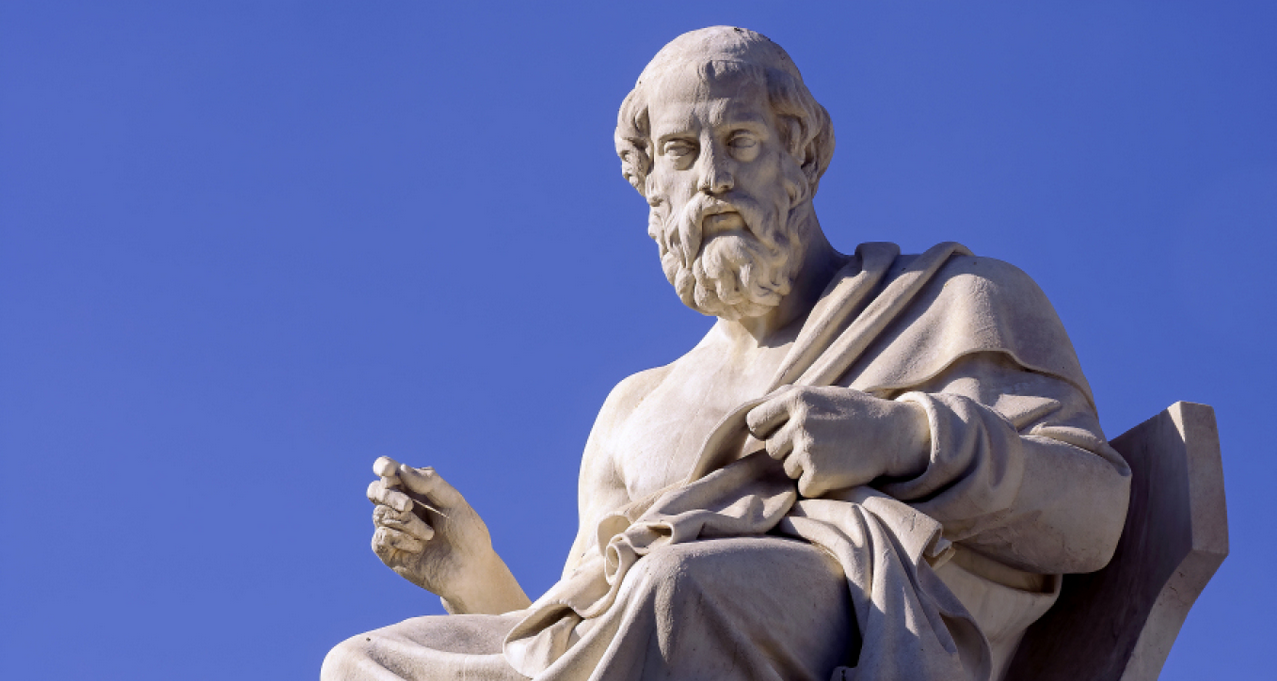
Plato: “He had a high fever and was bothered by the music” – Revelation about the last night of his life

What does the Italian professor reveal

Newsroom May 1 05:58

Interest among historians and researchers has been sparked by an ancient text circulating in recent hours, revealing details about Plato’s burial place and his last night.

According to CNN, Italian researchers claim that the deciphered text from ancient papyri may finally reveal the location where the Greek philosopher was buried.

According to the latest revelation by the Professor of Papyrology in the Department of Philology, Literature, and Linguistics at the University of Pisa, Graziano Ranocchia, Plato was buried in a secret garden near the Temple of the Muses within Plato’s Academy in Athens.

Until now, it was only known that the philosopher was buried in the academy without specifying the exact location, the professor told CNN.

Plato’s Academy was destroyed in 86 BCE by the Roman general Sulla.

It is noted that the papyri of Herculaneum, which were burned after being buried under layers of volcanic ash following the eruption of Vesuvius in 79 CE, continue to be examined by specialists using artificial intelligence and other technologies.

The revelation about music

The ancient text also provides more details about Plato’s last night, revealing that he was not fond of the music being played.

Just a week ago, experts reported in a presentation in Naples that the notes played by a Thracian slave were pleasant to Plato’s ears.

However, it is now revealed that shortly before he died, the philosopher felt discomfort with the music played, according to Ranocchia, who mentioned that Plato confided this to a visitor from Mesopotamia.

See Also:

Saint Luke the Stylite’s Holy Monastery: Virtual tour of its premises by the Hellenic Cosmos Cultural Center

“He had a high fever and was disturbed by the music they were playing,” Ranocchia said.

The text also reveals that Plato was sold as a slave on the island of Aegina, possibly as early as 404 BCE when the Spartans captured the island, or alternatively in 399 BCE, shortly after the death of Socrates.

>Related articles

Trump threatens tariffs against those who oppose U.S. plans for Greenland

CIA chief in Venezuela meets with Rodriguez

“You think you are descendants of Plato and Aristotle, but you’re not” – Rama’s tirade against Greek journalist, watch video

“Until today, it was believed that Plato was sold as a slave in 387 BCE during his stay in Sicily at the court of Dionysius I of Syracuse,” the professor said. “For the first time, we were able to read sequences of hidden letters from papyri that were wrapped in multiple layers and had stuck to each other over the centuries, through a process of unwinding using mechanical technique,” he added.

The contentious ancient text about Plato is part of approximately 1,800 carbonized papyri discovered in the 18th century in a building believed to belong to Julius Caesar’s father-in-law, who lived in Herculaneum, a seaside town about 20 kilometers from Pompeii.

Experts use artificial intelligence, a specialized visualization technique, and hyperspectral imaging to read the text from the nearly destroyed papyri.

Ask me anything

Explore related questions
#ancient greece#culture#death#fever#music#papyri#Plato#world
> More Culture

Follow en.protothema.gr on Google News and be the first to know all the news

See all the latest News from Greece and the World, the moment they happen, at en.protothema.gr

> Latest Stories

Politico: Europe for the first time considers tough response to Trump on Greenland tariffs, what is the Anti-Brexit Act

January 18, 2026

The backstory behind Trump’s decision not to attack Iran: The camps in the White House, the SMS from Tehran, and the calls from Arab allies

January 18, 2026

Mitsotakis: Greece will not be challenged by anyone with the Belharra frigates – Our goal is to support farmers with transparent subsidies

January 18, 2026

Akylas receives rave reviews for his Eurovision 2026 Greek final entry: “We might actually win with this little gem,” Fans write

January 18, 2026

What Trump is seeking with the extra tariffs on eight European countries for Greenland, the trade deal with the EU is in the air

January 18, 2026

The global era of Messinia: How the film Odyssey and the lists of major media praise it for 2026

January 18, 2026

Greek exports broke records with a record 37 billion euros

January 18, 2026

Sakkari delivers the ‘point of the year’ as she advances at the Australian Open

January 18, 2026
All News

> Culture

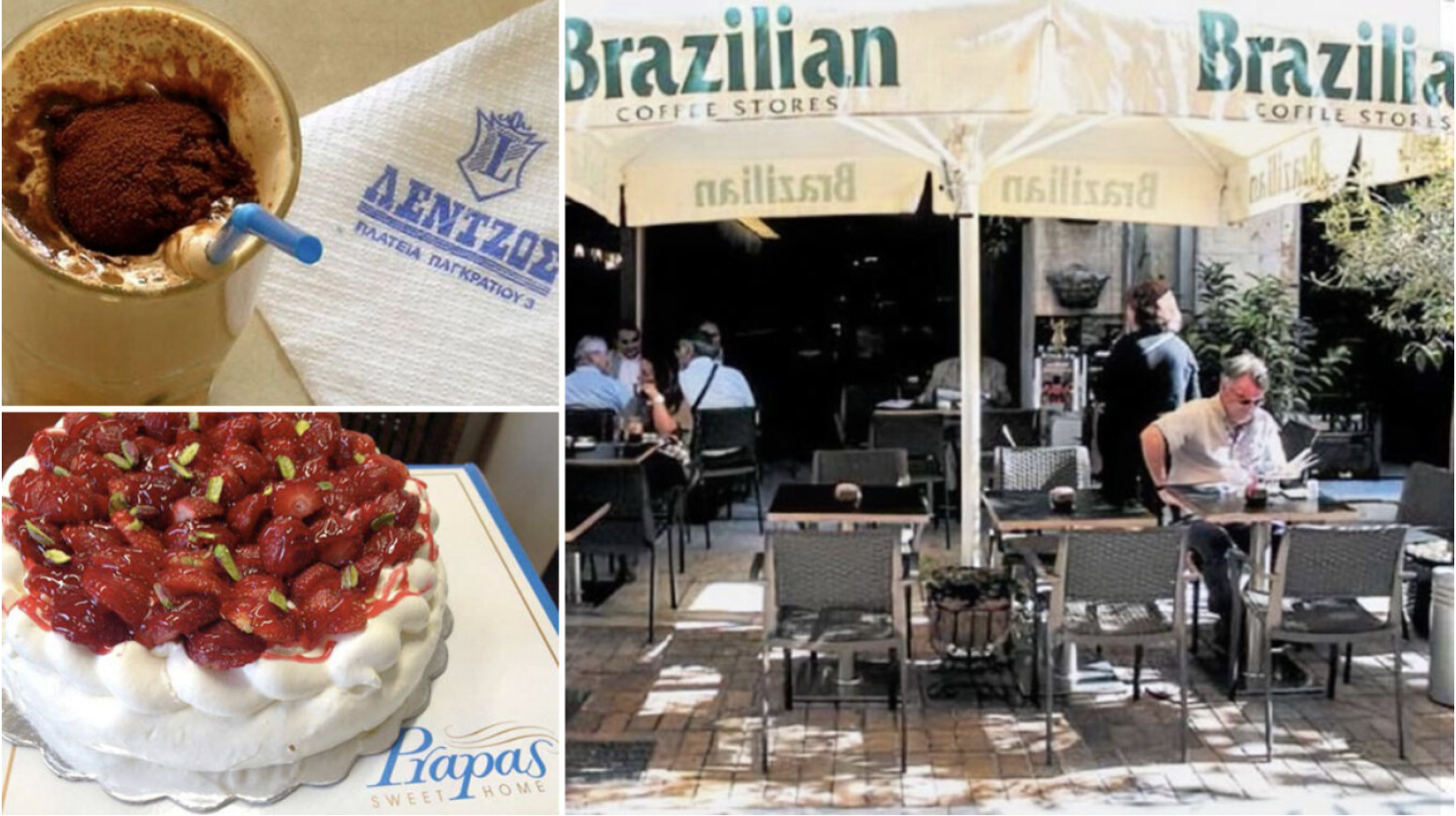
The historic cafes of Athens: 12 legendary hangouts lost to time

The café-patisseries that set the rhythm of cosmopolitan Athens – “Flokas,” “Papaspirou,” “Sonia,” “Alaska,” “Lentzos,” “Floral,” “Blue Bell,” “Prapas,” “Pachos,” “Galaxy,” “Caprice,” “Centaur” were the most popular meeting points where modern Greek history was written, became songs and books, and left their mark with their famous culinary creations

January 16, 2026

Actress Melpo Zarokosta dies at 93

January 16, 2026

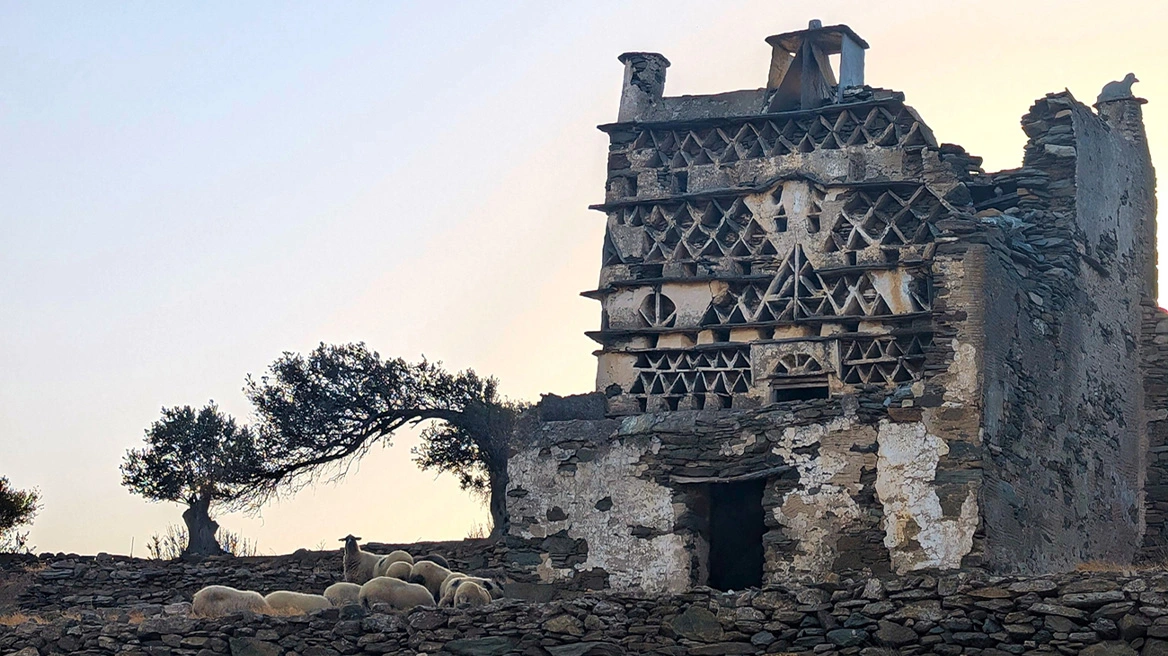
Cycladic Identity Initiative launches fourth funding phase to preserve the Cultural and Natural Heritage of the Cyclades

January 16, 2026

Grief in Crete for the loss of Yannis Xylouris

January 15, 2026

“A Picasso for 100 euros” — Christie’s for a million-euro painting

January 15, 2026
Homepage
PERSONAL DATA PROTECTION POLICY COOKIES POLICY TERM OF USE
Powered by Cloudevo
Copyright © 2026 Πρώτο Θέμα