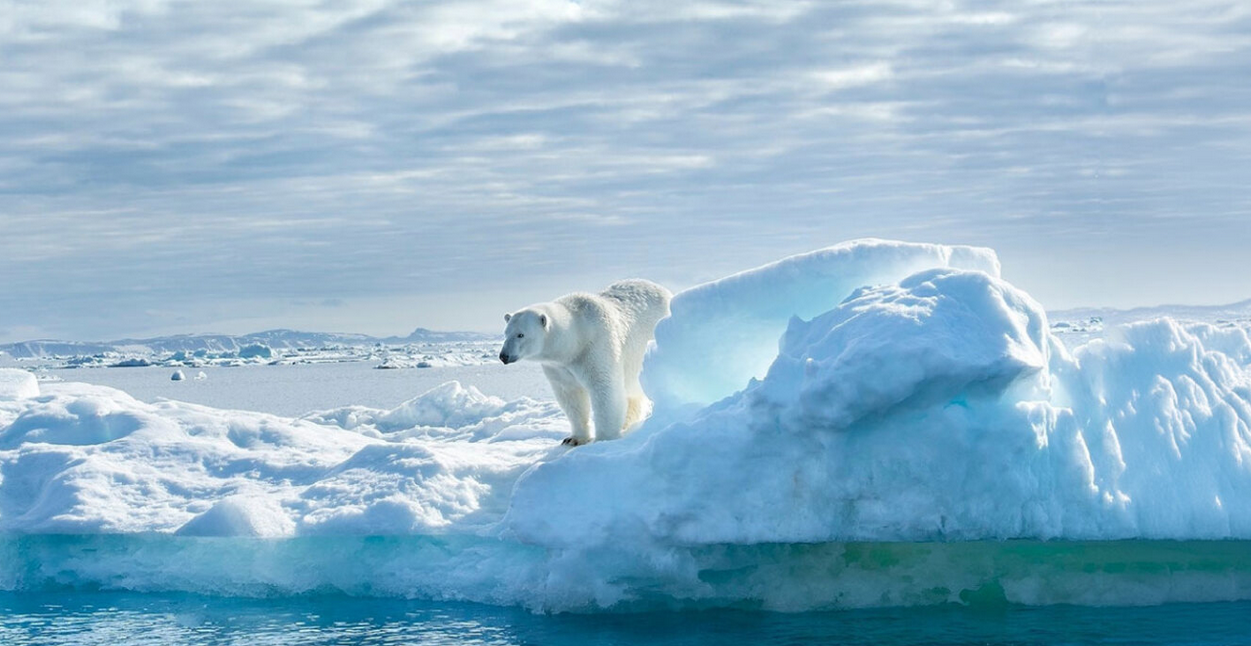
Deep in the Arctic, an ambitious and radical plan is underway. Confronted with the formidable challenge of climate change, scientists are exploring innovative techniques to refreeze the polar ice, which is melting at an increasingly rapid rate. This bold initiative, often referred to as the “refreezing of the Arctic,” aims to address the harmful effects of global warming by restoring the ice layer that plays a crucial role in regulating the Earth’s climate. In their efforts, scientists are turning to geoengineering inventions with the ultimate goal of saving our home.
The Current Crisis
The Arctic is warming at an alarming rate, almost three times faster than the rest of the planet. This rapid temperature increase has led to unprecedented levels of sea ice melting. Since the late 1970s, the Arctic has lost about 75% of its sea ice volume. This loss not only threatens the unique ecosystem and indigenous communities that depend on it but also has extensive consequences for global weather patterns and sea levels.
Sea ice acts as the Earth’s shield, reflecting a significant portion of the sun’s rays back into space. As the ice melts, the darker ocean waters absorb more heat, creating a feedback loop that accelerates temperature rise, a process known as the albedo effect. This exacerbates global warming, contributing to more extreme weather events, rising sea levels, and disruptions in marine ecosystems.
Innovative Solutions
Among the innovative solutions being explored are the use of underwater unmanned drones and tiny glass beads designed to reflect sunlight. These geoengineering techniques aim to lower temperatures and restore the ice cover. The goal is to mitigate the rapid melting of ice and its adverse effects, providing a potential solution to combat the climate crisis and preserve the Arctic’s critical role in Earth’s climate system.
Saving the Planet
To tackle this critical issue, scientists are exploring various pioneering methods aimed at refreezing the Arctic. These approaches range from mechanical interventions to cutting-edge geoengineering techniques.
1. Ice Thickening Machines
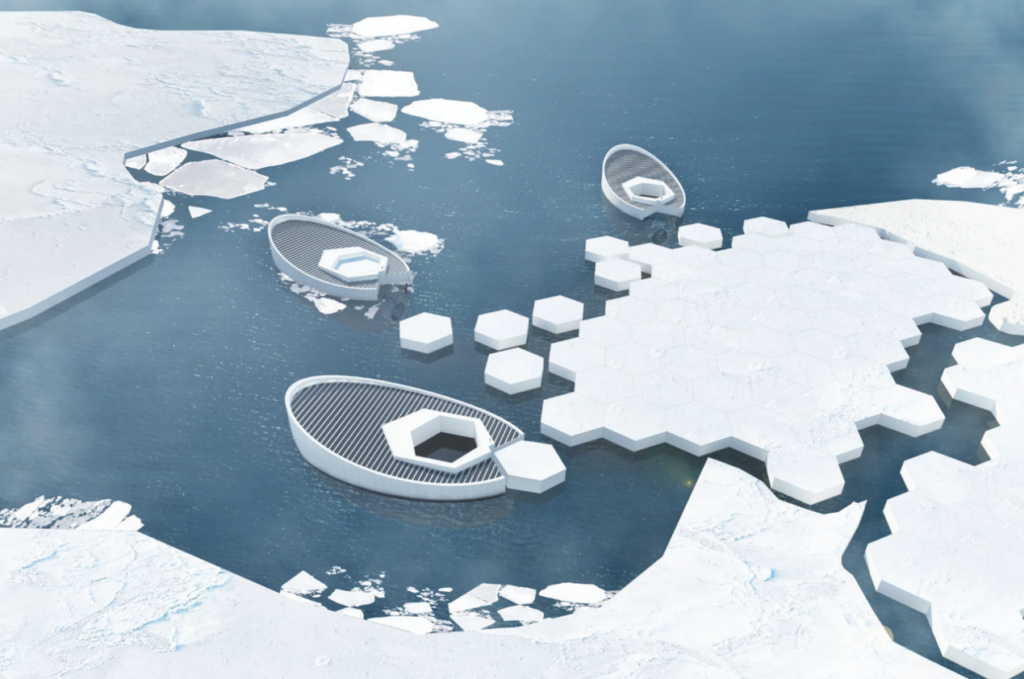
One proposed method involves using wind-powered pumps to draw water from beneath the sea ice and spray it onto the surface. In the frigid Arctic temperatures, this water would quickly freeze, thickening the existing ice layer. This method is considered a way to bolster the ice during the crucial summer melting periods.
2. Reflective Particles
Another experimental approach involves spreading reflective particles, such as tiny glass beads, on the ice. These particles could enhance the albedo effect, reflecting more sunlight away and reducing heat absorption by the ocean. This technique aims to mimic the natural reflective properties of ice, potentially slowing down the melting process. According to a report by the Wall Street Journal, this practice appears to reduce the ice melt rate by 30 percent. However, all these inventions and solutions require substantial funding and global cooperation to yield positive results.
3. Cloud Brightening
Cloud brightening is a geoengineering concept that aims to increase the reflectivity of clouds over the Arctic. By spraying fine particles of sea salt into the atmosphere, scientists hope to create brighter clouds that reflect more sunlight, thereby cooling the region. Although this method is still in a theoretical stage, it could offer a large-scale solution to the rising temperatures in the Arctic.
However, despite the promise these techniques hold, they come with significant challenges and ethical considerations. The Arctic environment is incredibly complex and fragile, and any intervention carries the risk of unforeseen consequences. For example, altering natural processes could disrupt local ecosystems, affecting wildlife and indigenous populations that rely on the Arctic’s natural rhythms. Additionally, the concept of geoengineering is controversial, as many argue that such interventions could provide a false sense of security, potentially delaying the necessary reductions in greenhouse gas emissions. Simply put, even if we manage to refreeze the Arctic, if we do not address the global issue of carbon footprint and rising temperatures, the problem will always remain open.
Looking to the future
The urgent nature of the climate crisis demands innovative and bold solutions. While Arctic refreezing techniques are still in experimental stages, they are a critical part of a broader strategy to combat climate change. These efforts must be combined with aggressive reductions in emissions, adoption of renewable energy sources, and international cooperation to mitigate the most severe impacts of global warming.
As scientists continue their work deep in the Arctic, the world watches with a mix of hope and caution. The success of these radical plans could signify a turning point in the fight against climate change, offering a ray of hope for the future of our planet. However, it’s clear that there is no one-size-fits-all solution to this multifaceted problem. A combination of innovative science, responsible policy making, and global collaboration will be essential to preserve the Arctic and ensure a stable climate for future generations.
Ask me anything
Explore related questions