





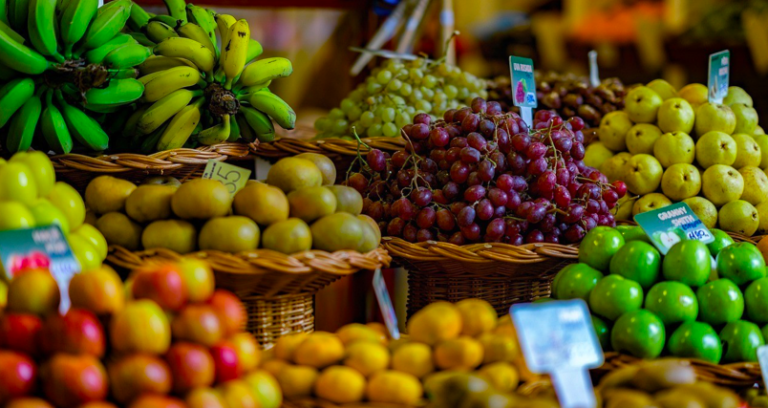
Remember when you were a child, and your grandmother would cut a cool watermelon after your afternoon nap? The taste was irresistible, and just one bite would fill you with joy. Back then, everything seemed different: tomatoes were sweet and juicy, grapes were crisp, peaches were fragrant and succulent, and even the nearly bland zucchinis were interesting and made a perfect light lunch.
In recent decades, fruits and vegetables seem to have lost the characteristics that once defined them, even as they’ve grown in size. But why doesn’t the banana taste as good as it used to? Why are strawberries larger but lacking the sweetness they once had unless you add sugar?
This phenomenon isn’t limited to Greece; other European countries like Italy have noticed it too. A previous study by the Ismea-Agroter Observatory revealed that the saying “fruits and vegetables don’t taste the same anymore” is not just a cliché but a sad reality. According to the study, at least one-third of Italians are dissatisfied with the taste of fruits and vegetables, leading to a decrease in their consumption as people turn to other products.
“Freshness and taste are the two main factors that drive the consumption of fruits and vegetables,” explains Roberto Della Casa, a marketing professor at the University of Bologna and founder of Agroter, to the Italian news agency ANSA. He notes that many people complain about the shelf life of these products after purchase, as they do not last as long as they should before being consumed, often ending up in the trash or at best in the compost.
At the same time, there has been an increase in the sale of produce that looks perfect—round, shiny, and vividly colored—but lacks flavor.
Many factors affect their aroma and taste, including the use of fertilizers, which used to be applied sparingly or replaced with organic soil enhancers—such as manure. Meanwhile, intensive greenhouse cultivation has taken precedence over small-scale production to meet market demands. The long journeys required to transport fresh products to supermarket shelves also affect their quality. If you consider that fruit is often harvested before it reaches full ripeness, only to “ripen” on its way to the store, it’s no wonder why the taste is compromised.
It’s also important to distinguish between climacteric and non-climacteric fruits: the former can continue to ripen after harvest, while the latter cannot, and their ripening process stops once they are picked. This is why tomatoes, apples, and bananas are harvested before they are fully ripe so they are ready to eat by the time they reach the market. However, this doesn’t necessarily mean they will be flavorful.
Experts explain that the key factor is the production of ethylene, a gas responsible for breaking down chlorophyll, leading to more vibrant skin color and softer flesh. Simultaneously, if the product hasn’t had time to accumulate enough starch to convert into sugars before being harvested, it may look beautiful but will be lacking in flavor.
All this while the demand for year-round availability of produce has led to the loss of seasonality, which impacts taste.
What role does climate change play?
According to the Environmental Protection Agency (EPA), higher levels of carbon dioxide can affect crop yields, while changing temperatures, ozone levels, and limited water and nutrients negatively impact the growth of vegetables, fruits, and grains. Climate change is likely to affect food security on a global, regional, and local level, disrupting food availability, reducing access, and affecting quality. Furthermore, rising temperatures, reduced rainfall, and extreme weather events like floods can lead to decreased agricultural production, higher product prices, and even alterations in taste.
For example, beans grown in high temperatures during both day and night are smaller than those grown in cooler conditions. Similarly, tomatoes cultivated in very high temperatures may have fewer nutrients, such as carotenoids, which help maintain blood pressure or fight cancer.
Regarding the beloved and essential tomatoes, to meet market demands, their cultivation is often moved to greenhouses where they don’t see sunlight, negatively impacting their flavor and nutrient content. It’s no coincidence that a previous study published in the Journal of American College of Nutrition found that over a span of about 50 years, 43 different types of vegetables had lower nutrient levels compared to the past. Among these were green beans, asparagus, and strawberries, with significant reductions in protein, calcium, iron, and vitamins.
As Harry Klee, a professor at the University of Florida, explained to Vox, farmers aren’t paid for flavor but for yield. So while intensive farming may produce more crops, they often lack taste.
Klee, who developed a tomato rich in nutrients that hasn’t lost its flavor and has a longer shelf life but is slightly smaller than others—meaning more work to harvest and therefore higher costs—emphasizes: “We’re raising a whole generation of people who don’t know what a tomato is supposed to taste like.”
Ask me anything
Explore related questions


