




The case involving the mass explosions of pagers in Lebanon, which resulted in the death of 12 people, including two children, and injured nearly 3,000, resembles a spy thriller.
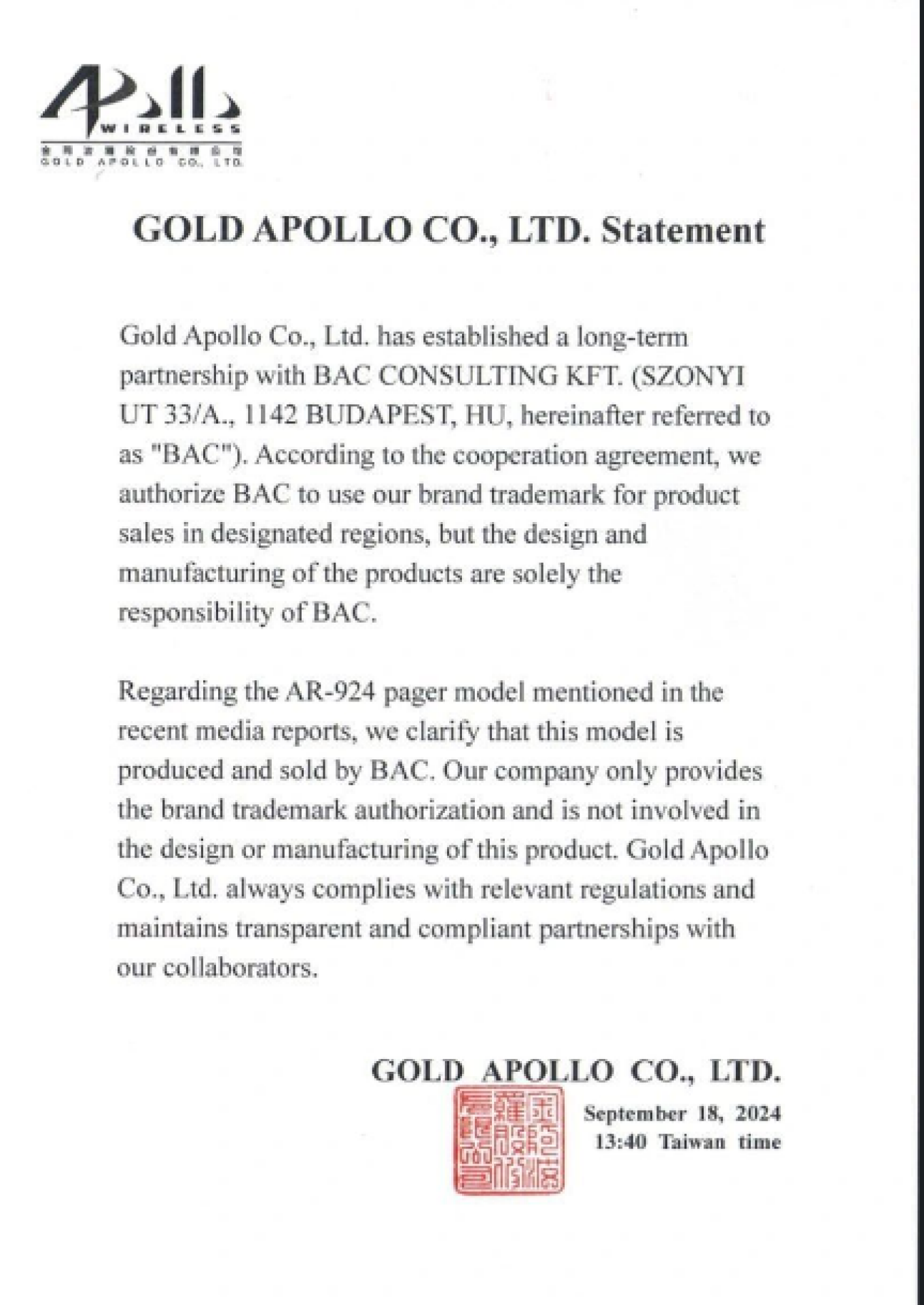
According to international media, the AR-924 pagers were rigged with a few dozen grams of explosives placed next to their batteries along with detonators. Gold Apollo from Taiwan stated that the thousands of pagers that exploded almost simultaneously were manufactured by BAC Consulting KFT, based in Hungary.
The CEO of the Hungarian company, Cristiana Barsony-Arcidiacono, offered a different version, although she confirmed their collaboration with Gold Apollo. “We don’t manufacture the pagers. We are just intermediaries. I believe you’ve misunderstood,” Barsony said, as reported by NBC.
Is BAC Consulting KFT a ghost company?
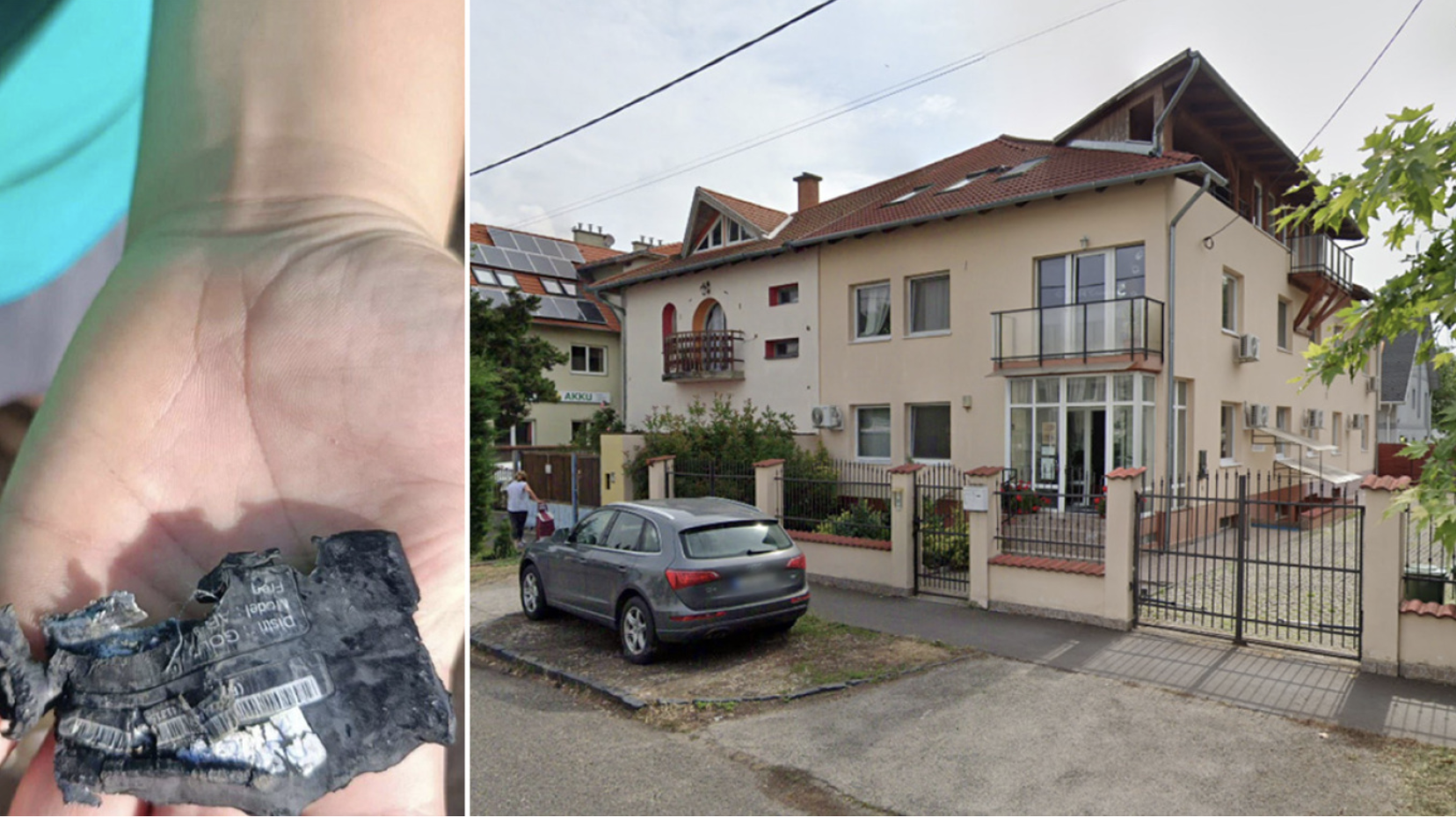
Reuters reports that while BAC Consulting’s offices are located in a two-story peach-colored building in a city suburb, the company appears to have no physical presence there, raising questions about its operations.
Witnesses gathered by Reuters stated that the company has no visible activity at the location, except for a sign on an A4 paper placed on a glass door.

It remains unclear whether the company is actually involved in consulting or other types of transactions.
The paper lists the companies located in the building:
- Örökifjú Zenebarátok Alapítvány
- Aurequus Group Ltd.
- BAC Consulting Kft.
- Khvan Company Kft.
- Claywood Kft.
- Óvis Trade Kft.
- Energy Alliance Kft.
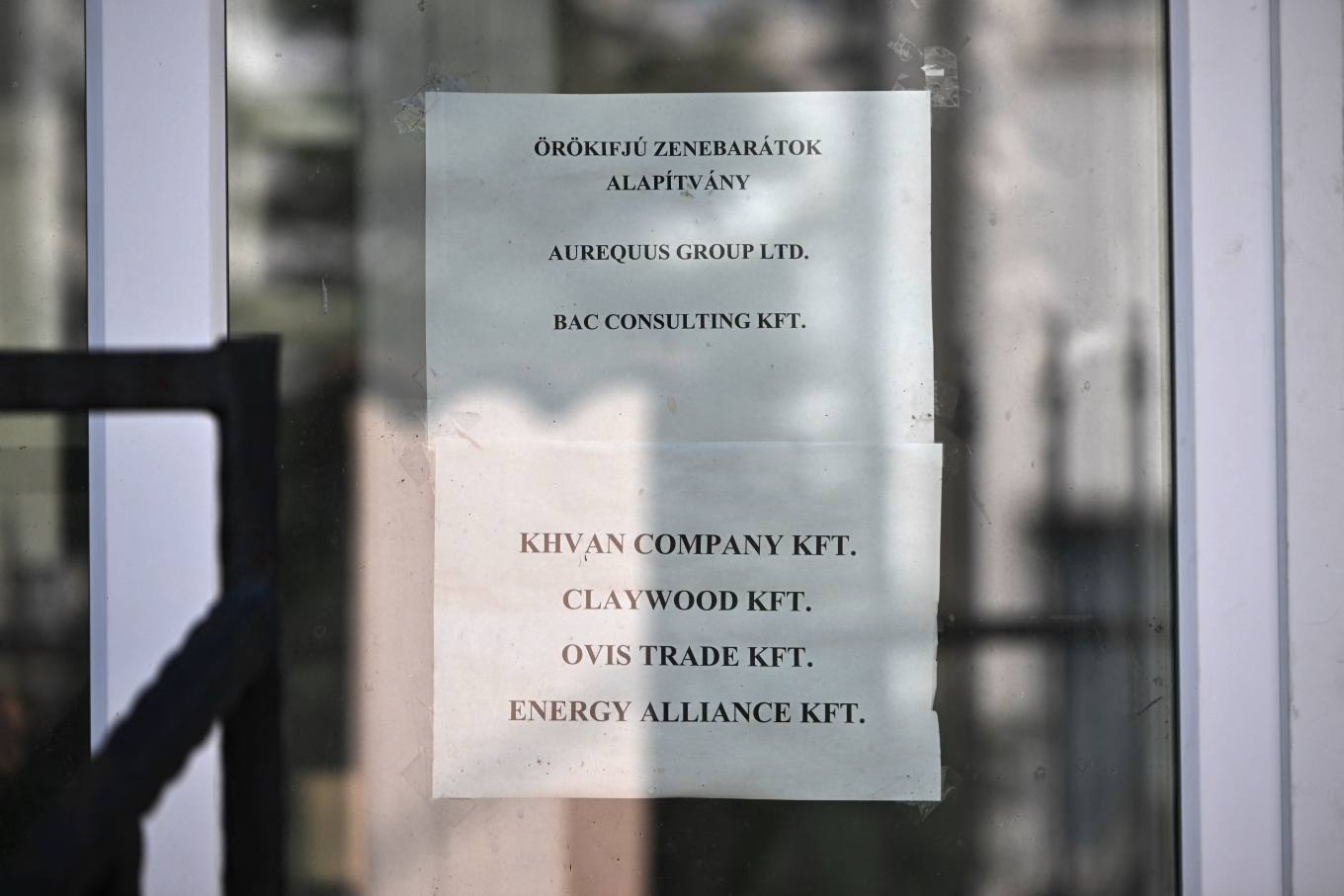
These are names of organizations and companies, with “Kft.” meaning “LLC” in Hungarian, and “Alapítvány” meaning “foundation.”
Cristiana Barsony-Arcidiacono, the CEO, did not respond to Reuters’ requests for comment, though her LinkedIn profile mentions she has worked for international organizations such as UNESCO.


The revelation of BAC Consulting’s role in Hezbollah’s pager explosions raises serious concerns about how military equipment is procured by organizations in the Middle East and highlights the need for transparency in international trade.
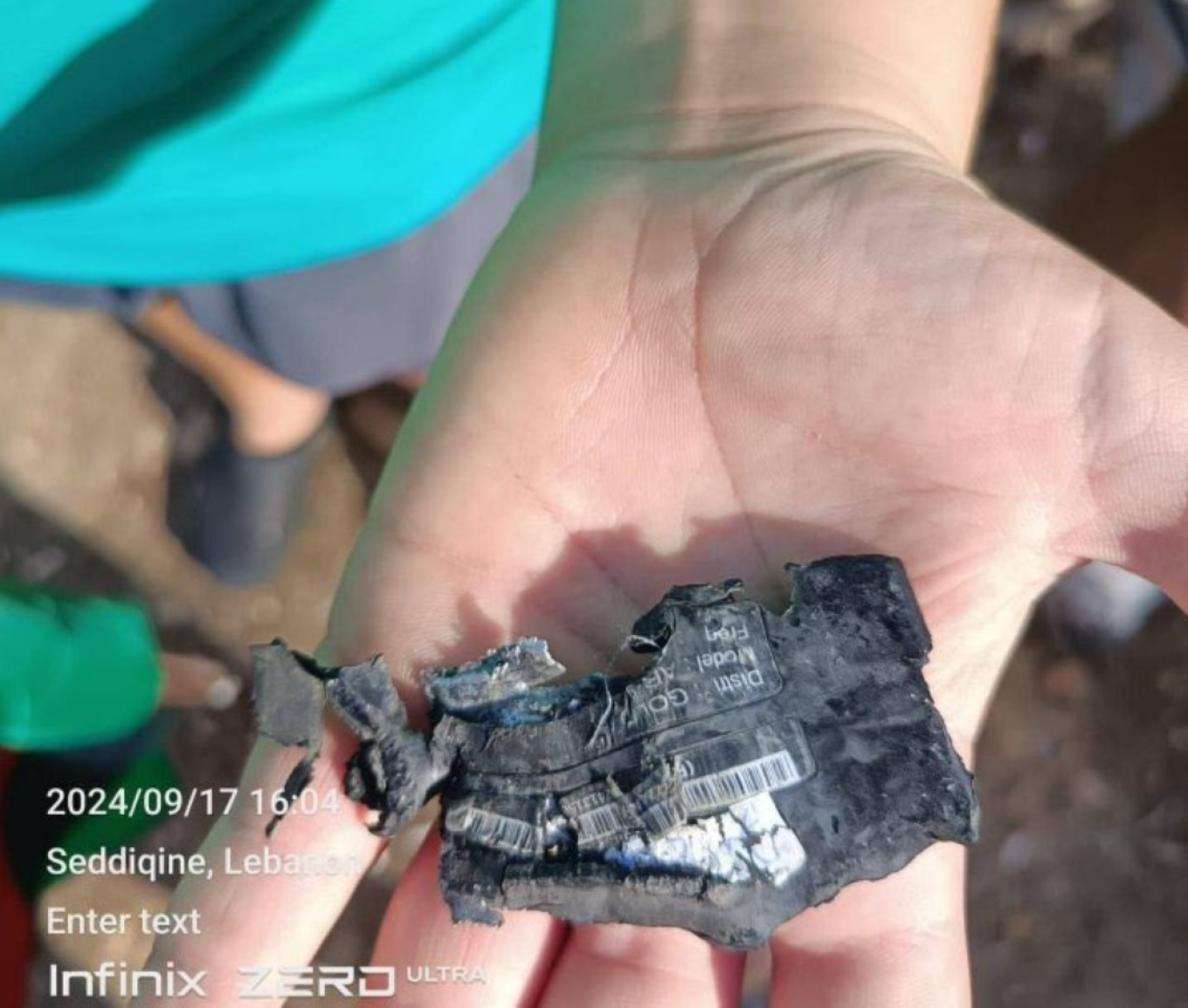
The Taiwanese Ministry of Economic Affairs announced that Gold Apollo had exported 260,000 pagers from 2022 to August 2024, primarily to European and American markets. There has never been any report of explosions involving these products, and no record exists of direct exports from Gold Apollo to Lebanon.
⚡️BREAKING: The company responsible for the Pager devices that exploded in Lebanon has been identified.
— Suppressed News. (@SuppressedNws) September 18, 2024
The AR-924 pagers were manufactured by BAC Consulting KFT, based in Hungary’s capital, according to a statement released Wednesday by Gold Apollo.
According to Hsu, payments… pic.twitter.com/UzA5ZWL9aP
A modified batch?
“There was a batch that was modified? Did another manufacturer make them and just put Apollo’s brand on them? We are still investigating,” a ministry representative told NBC News.
Hezbollah received 5,000 rigged pagers five months ago, says former Lebanese army brigadier
A batch of 5,000 pagers, imported five months ago by Hezbollah, was “almost certainly” rigged with explosives before arriving in Lebanon, said retired Lebanese Army Brigadier General Mounir Shehadeh.
These devices “were rigged with a few grams of explosives, hard to detect, placed in the battery in a way that made it impossible to detect with sensors or any explosive detection tools,” Shehadeh told Turkey’s Anadolu news agency.
He added that the type of explosives had not yet been confirmed, as labs were still analyzing them, but they appeared to be “advanced explosives made from modern materials that cannot be detected by sensors.”
“Lithium batteries, if they catch fire or explode, do not cause such damage,” Shehadeh said. “From videos, the explosions were strong, while a lithium battery only causes a small flame and a very small explosion.”
Regarding where or in which country the devices were rigged, Shehadeh said, “It’s too early to discuss that, but the rigging could have happened during manufacturing or at other stages.” He also mentioned that Hezbollah Secretary-General Hassan Nasrallah would give a speech today about the explosions, how the devices were rigged, and how Hezbollah would respond.
This is pure cinema ??
— Matt murdock? (@mattmurock123) September 17, 2024
Becoz of hacking possibilities of phones #Hezbollah guys using #Pagers only.#Israel tapped the pagers distribution network in Lebanon and injected malware into all devices.#Mossad exploded all pagers owned By Hezbollah .
pic.twitter.com/k5Y7cH2R1M
Why the attack now?
Israel decided to detonate the pagers worn by Hezbollah members in Lebanon and Syria on Tuesday because they believed the Shiite militia might have discovered the covert operation, three American officials told Axios.
The attack came amid escalating tensions between Israel and Hezbollah, which have raised international concerns about the possibility of all-out war.
“It was either now or they’d lose the chance,” an American official told Axios, when asked why Israel chose that specific moment to launch the attack.
A former Israeli official with knowledge of the operation told Axios that Israeli intelligence had planned to use the rigged pagers they managed to “plant” within Hezbollah ranks as a surprise first strike in a potential war, aimed at “paralyzing” Hezbollah.
However, in recent days, Israeli leaders began to worry that Hezbollah might uncover the pagers. Prime Minister Benjamin Netanyahu, his top ministers, and Israeli Defense Forces and intelligence chiefs decided to act now rather than risk discovery, said an American official.
The first report of Israel’s concerns that led to the decision to detonate the explosives came from Al-Monitor, which reported that two Hezbollah officials had raised suspicions about the pagers in recent days.
When top Biden advisor Amos Hochstein visited Israel on Monday, Netanyahu, Israeli Defense Minister Yoav Gallant, and other senior officials held lengthy security consultations about the risks of exposing the operation. When they met with Hochstein, they did not reveal anything about what was happening behind the scenes, an American official said.
On Tuesday afternoon, just minutes before the pagers began exploding, Gallant called U.S. Defense Secretary Lloyd Austin and told him that Israel was about to carry out an operation in Lebanon but refused to provide specific details.
An American official stated that Israel had not informed the U.S. of the operation’s details but added that Gallant’s call was an effort not to keep the U.S. entirely in the dark.
Nonetheless, U.S. officials said they did not view Gallant’s call as a serious warning. “We had no knowledge of this operation nor were we involved,” U.S. State Department spokesman Matthew Miller told reporters on Tuesday.
Ask me anything
Explore related questions