





The Makrygianni neighborhood continues to reveal precious treasures from its glorious past. Following the discovery of a large white marble statue of Hermes from the Roman period near the Herodeion, at the intersection of Erechtheiou and N. Kallisperi Streets, during excavation work for the installation of a natural gas network, yesterday another statue and additional archaeological remains were found at the same site.
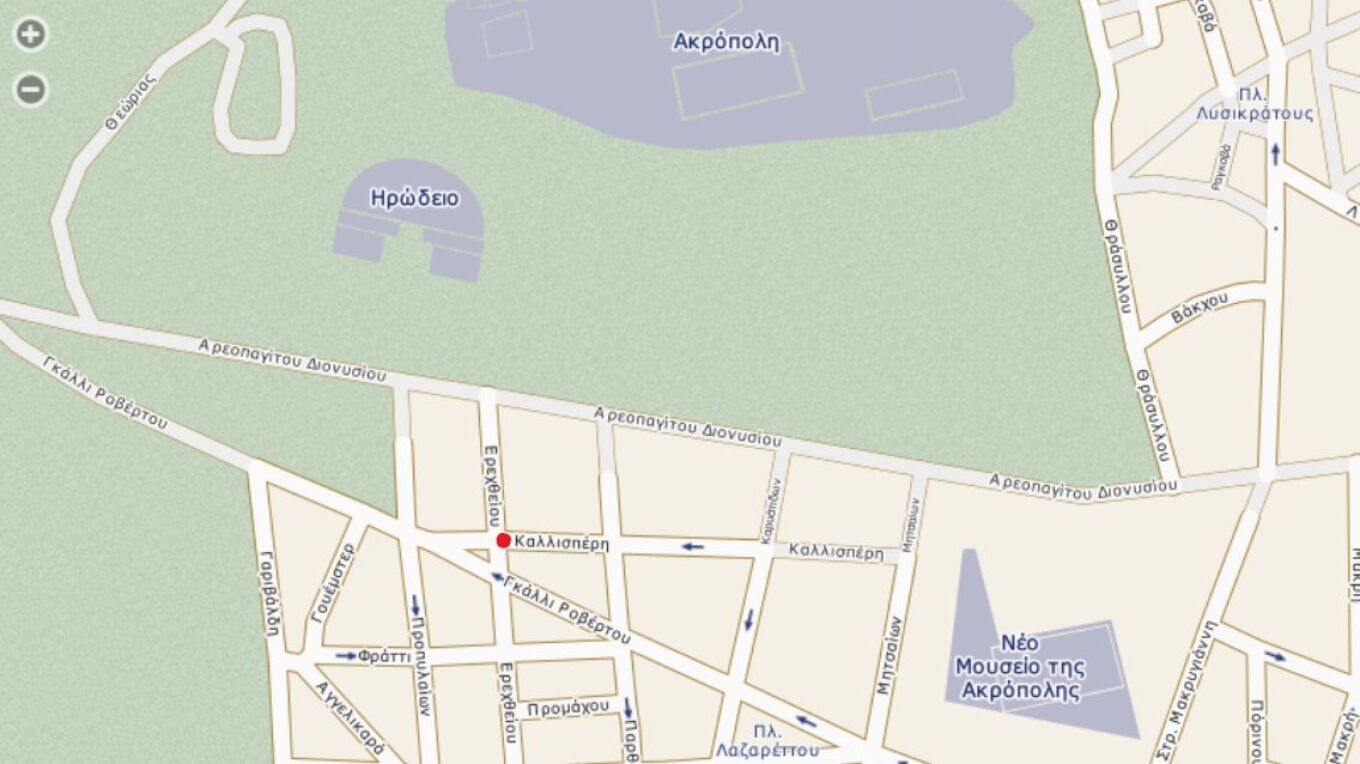
The location of the Hermes statue (marked with a red dot on the map) is very close to the Herodeion.
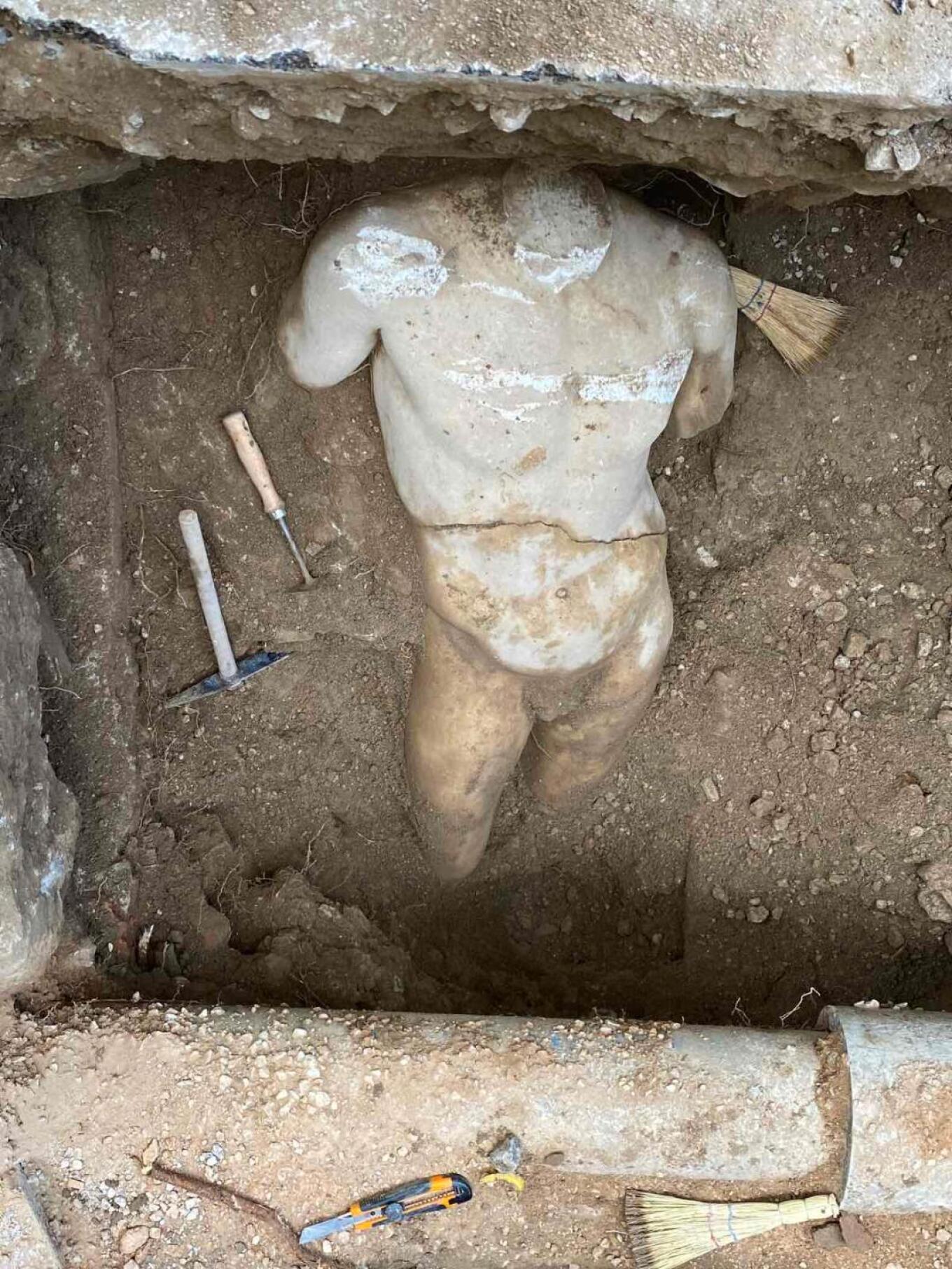
The new find specifically includes the torso of a life-sized male statue, discovered lying sideways on its right side, along with marble fragments of sculpted human limbs, upper and lower, which likely belong to the impressive statue of Hermes.
Additionally, within the same excavation, fragments of a figurine—representing a human form—and a group of lamps dated to the 5th century AD were unearthed. This was a time of great flourishing for Athens, especially in the area surrounding the Acropolis, which housed luxurious villas of the wealthy and philosophical schools.
The finds were safely removed under the supervision of archaeologists and transferred to the conservation labs of the Athens City Ephorate of Antiquities, where they will undergo the appropriate preservation procedures.
Excavations in this specific area will proceed intensively to ensure there are no other valuable artifacts buried for centuries in the Attic soil.
The remarkable marble statue of Hermes, headless but in exceptional condition, recently discovered near the Herodeion at the junction of Erechtheiou and Kallisperi Streets during gas network works, reinforces the timeless belief that Athens, particularly the area around the Acropolis, is a vast, partially uncharted museum holding countless pieces of evidence of its rich past.
What makes this discovery significant, and what does it reveal about the development and daily life of the area’s inhabitants during the Imperial Roman period, from the 1st to the 5th century AD?
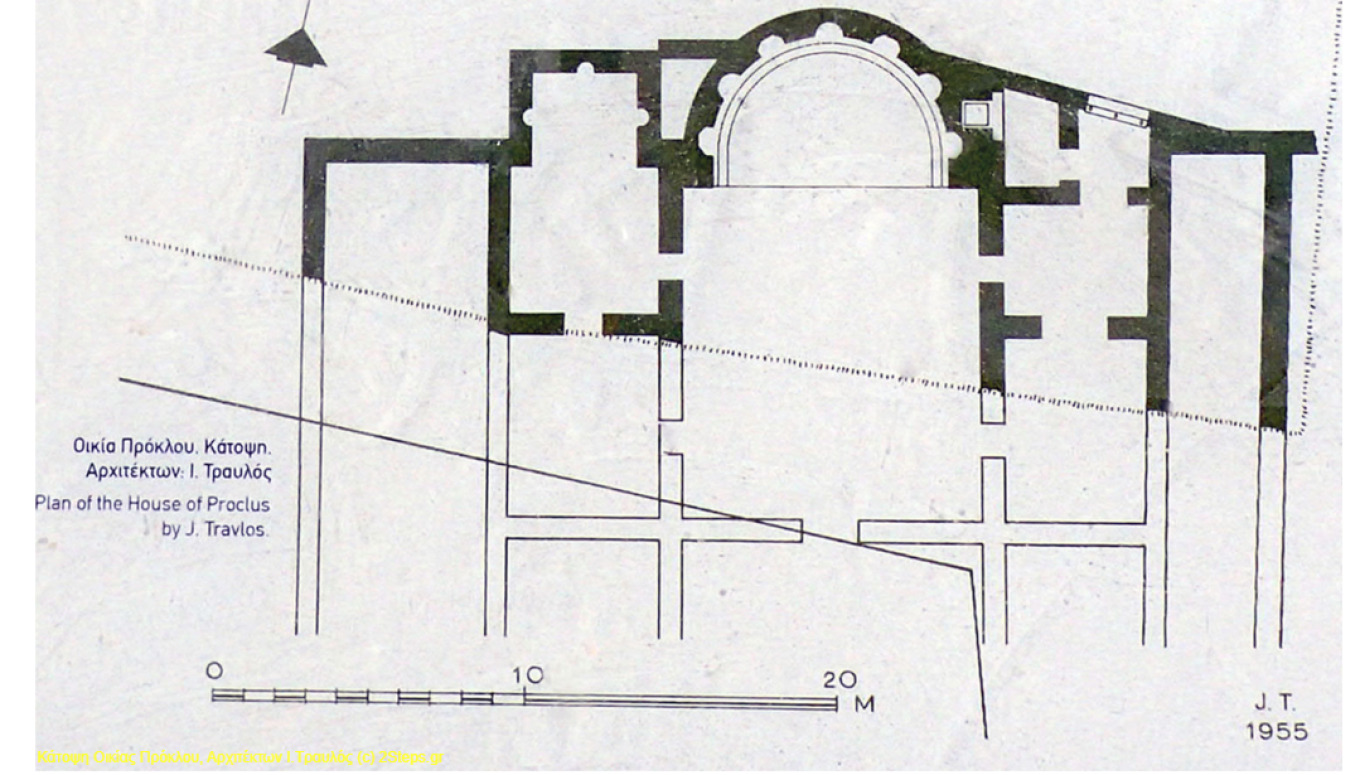
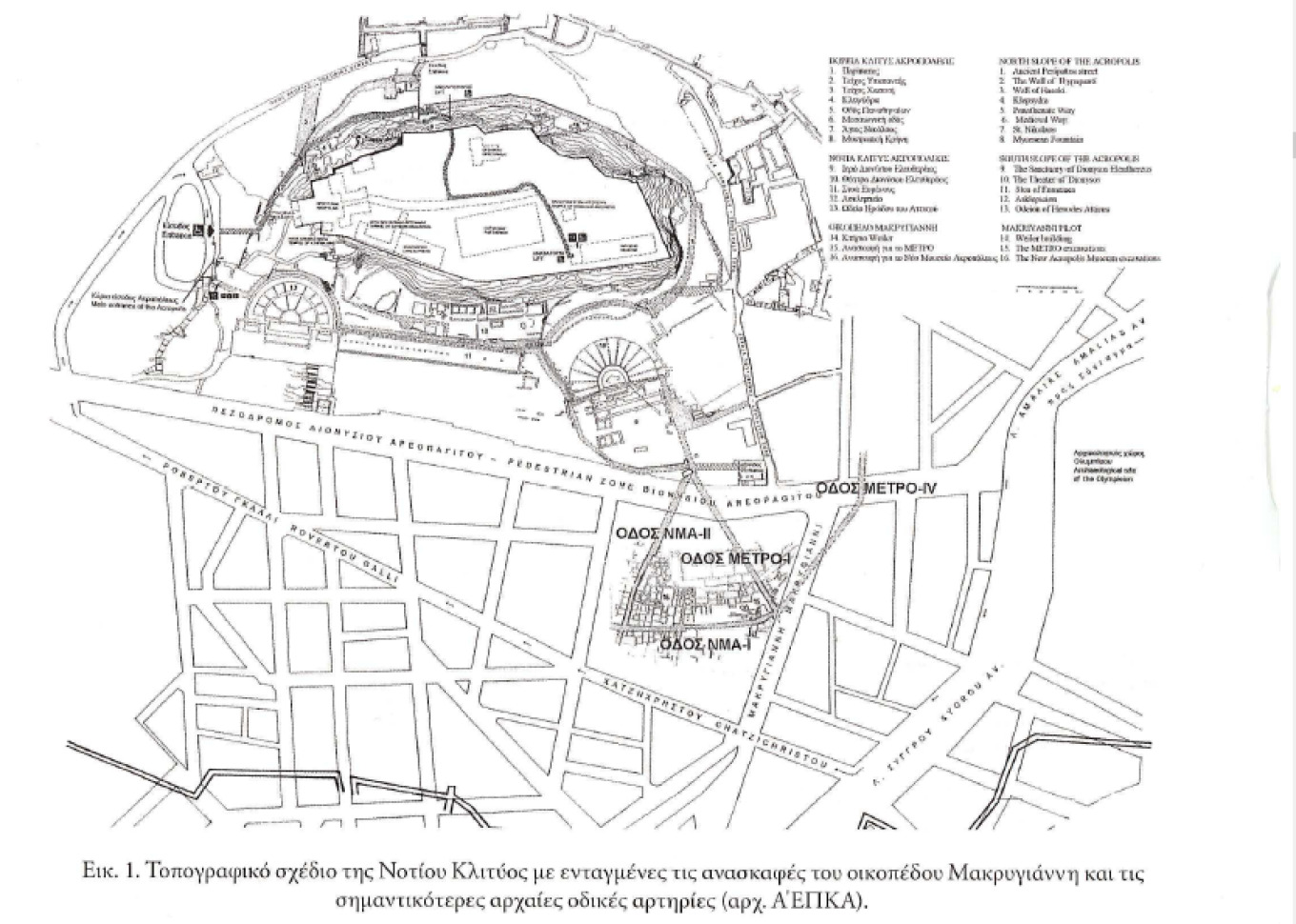
The discovery’s importance lies in its connection to the renowned residence of the Neoplatonic philosopher Proclus, located beneath today’s Dionysiou Areopagitou Street. According to historical sources, Proclus, born in Constantinople, moved to Athens and studied at Plato’s Academy, which he led for decades. Until his death in 485, he resided in the southern slopes of the Acropolis, in the Makrygianni area, within a grand building from late antiquity. This impressive 5th-century AD villa housed his famous philosophical school, one of many in the area during that time.
The Proclus residence was first uncovered in 1955 by archaeologists Jason Miliadis and Georgios Dontas during excavations for the completion of Dionysiou Areopagitou Street, with further excavations conducted in 2003 during pedestrianization works.
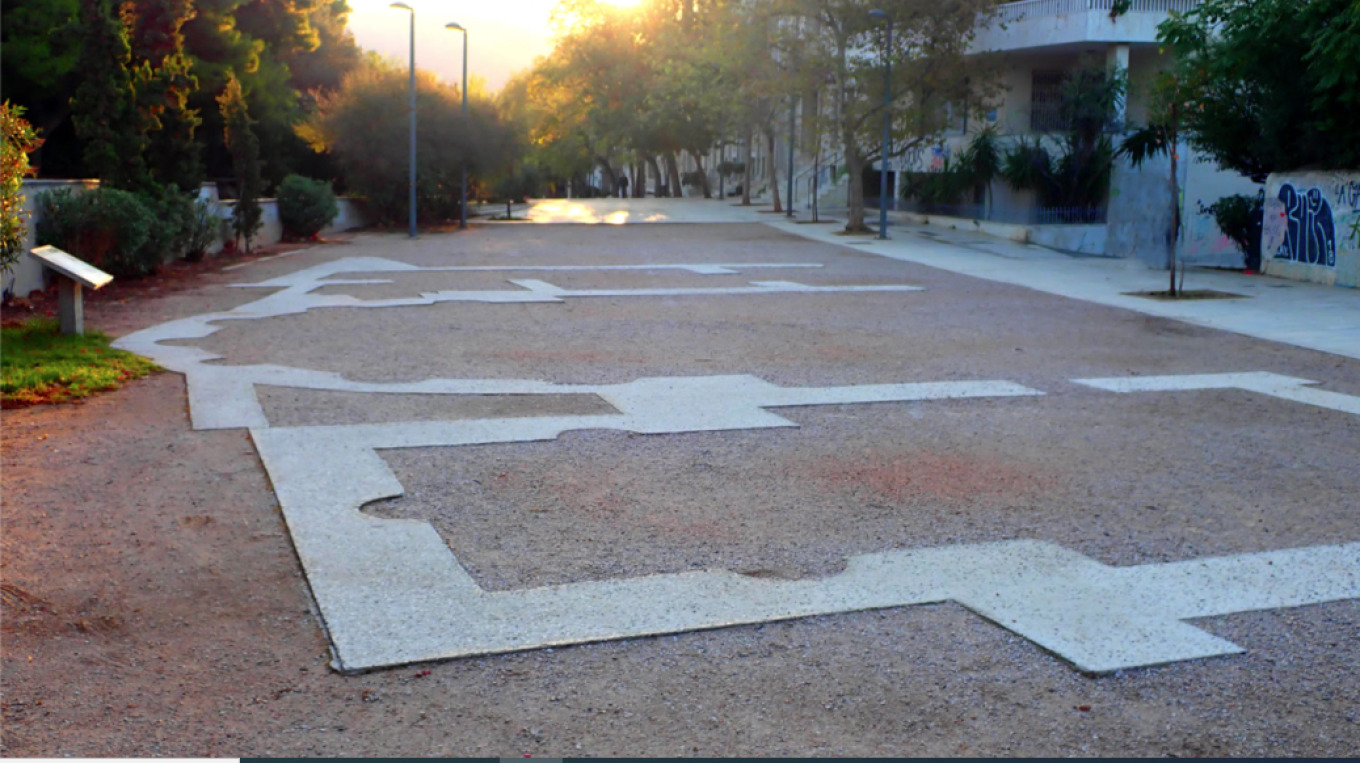
Architectural Details
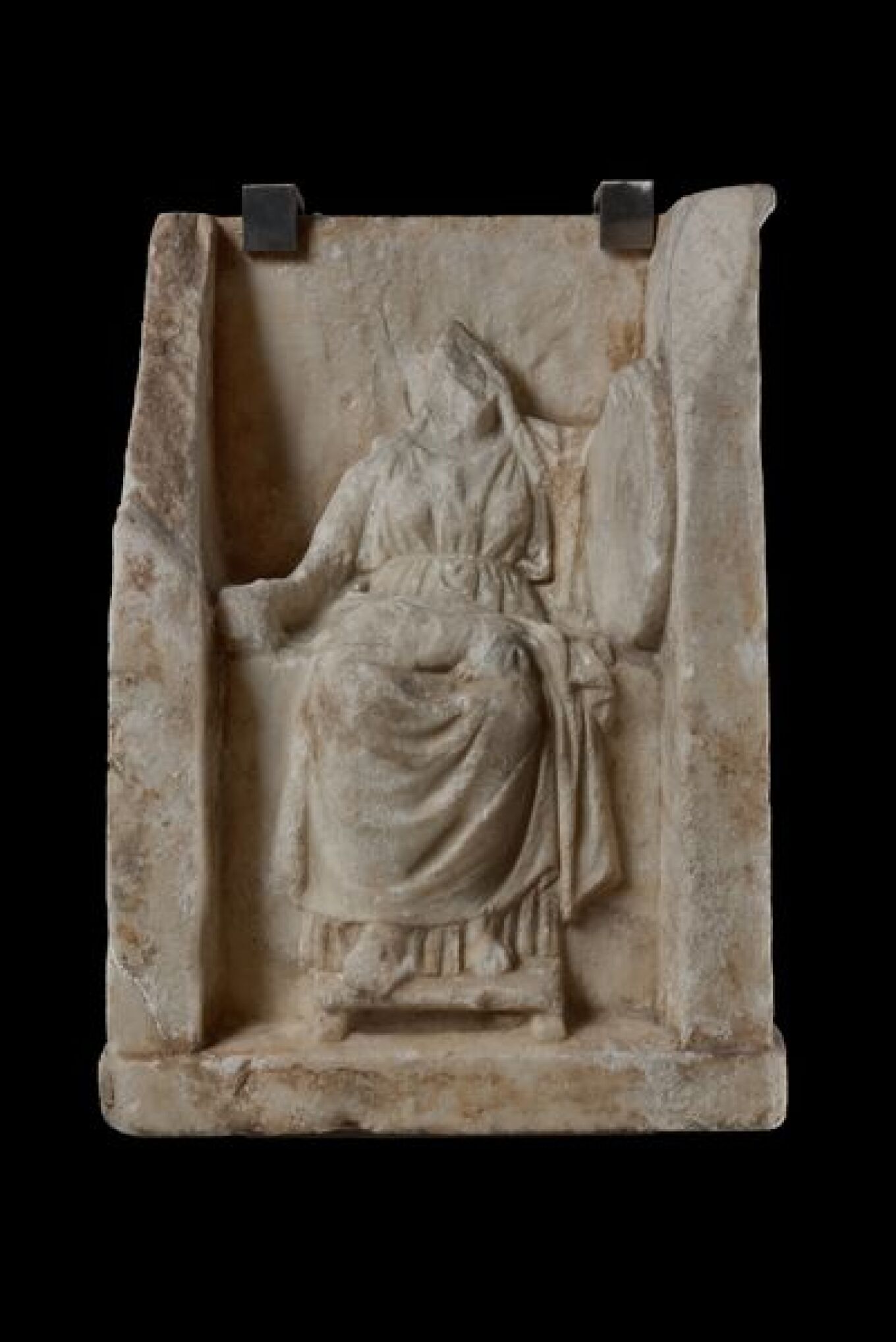
The house of Proclus, located at 43 Dionysiou Areopagitou Street, stood out as the most archaeologically significant building of a broader complex. It had a rectangular shape, with a semi-circular vaulted roof on its northern side. It measured 32 meters in width and featured a main room with a floor paved with geometric mosaic patterns, surrounded by smaller rooms. One of these rooms contained a domestic shrine with an inbuilt relief of Cybele and other movable finds, some of which are displayed in the Acropolis Museum.
Unfortunately, archaeological research was limited to the villa’s northern section as the remaining half lies beneath modern buildings. The site has since been carefully covered, with only the villa’s relief visible, accompanied by an informational plaque.
The Significance of the Hermes Statue
Renowned archaeologist Eleni Banou, former head of the Athens City Ephorate of Antiquities, links the Hermes statue to the broader history of the area and particularly to Proclus’ residence. She states:
“For the archaeological community, the discovery of such a statue is not surprising. The buildings south of the Herodeion during the Imperial Roman era were not merely homes but also philosophical schools. It was customary for the heads of these schools to install statues of gods. The great flourishing of these schools occurred from the 3rd to the 5th century AD. They were closed in the early 6th century by a decree from Justinian. Among these buildings, Proclus’ residence stands out, and it is highly likely that the statue of Hermes is connected to it.”
Banou adds:
“The fact that the statue was found in good condition is very significant, as such discoveries are rare. This is therefore a discovery of great archaeological and social value, especially within the broader context of the era’s philosophical schools.”
Expert Opinions
The esteemed archaeologist Stamatia Eleftheratou, responsible for excavations at the Acropolis Museum, agrees. She notes:
“Although sculptures from the 2nd century AD have been discovered in the past, including during the Acropolis Museum excavation, large statues from this era in good condition are rare. This makes the discovery particularly significant.”
She further explains that during the 2nd century AD, the southern slopes of the Acropolis were home to luxurious residences. The wealthy inhabitants were avid collectors who included contemporary sculptures made in the famed neo-Attic workshops of the area in their collections.
The Historical Setting
During the 2008 International Symposium titled Athens in the Roman Era: Recent Discoveries, New Research, Eleftheratou emphasized that the southern area of Athens was a residential zone for the local aristocracy during the Roman period. Philostratus even notes that Herodes Atticus’ father owned homes near the Dionysian Theater.
The Hermes statue, therefore, not only enriches our understanding of the area’s archaeological wealth but also sheds light on its historical significance as a hub of culture, philosophy, and luxury during the Roman period.
Ask me anything
Explore related questions