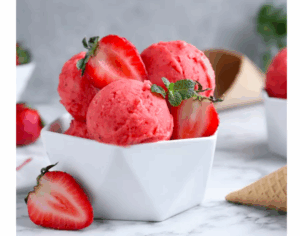
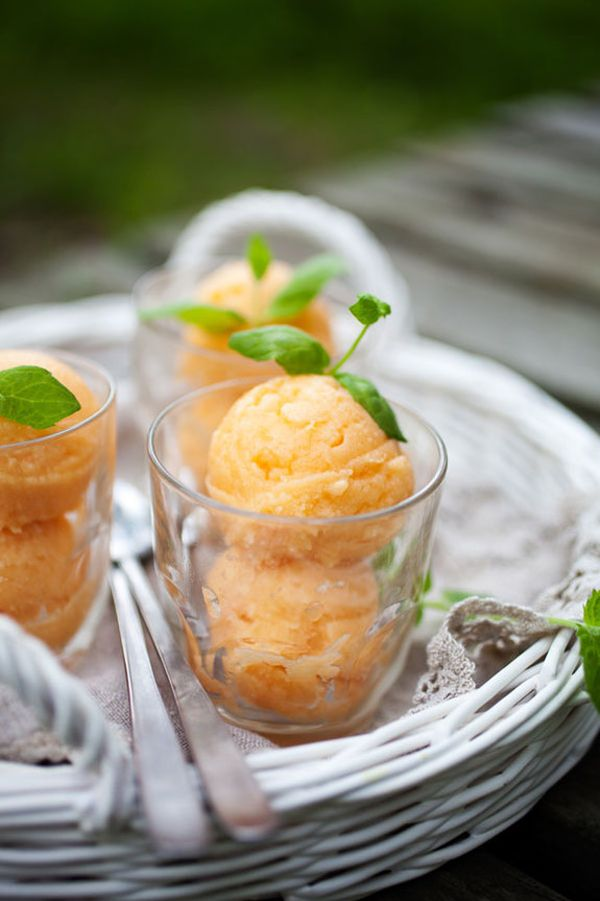
Imagine a scoop of luscious sorbet—bright, refreshing, and bursting with flavor. This frozen fruit delight is a favorite for all ages, but behind its simple, vibrant appearance lies a fascinating dance of culinary artistry and food chemistry. Every spoonful is the result of precise science, where natural ingredients meet techniques that transform basic fruit, water, and sweeteners into a silky, palate-pleasing masterpiece. Let’s peel back the layers and explore the delicious science that makes the perfect sorbet.
What Exactly Is Sorbet?
Unlike ice cream, sorbet contains no dairy or eggs. Its core ingredients are ripe fruit, water, and a sweetener—sugar, honey, or syrup. For added depth, chefs often include lemon juice, a splash of alcohol, or herbs to craft a complex aroma profile. Despite its straightforward ingredients, achieving that smooth, velvety texture requires precision. Even small deviations can turn your sorbet into a hard block or an overly sweet spoonful.
Texture Chemistry: Ice Crystals, Sugars, and Stabilizers
The key to a luxurious sorbet lies in controlling ice crystal formation. Tiny, uniform ice crystals create that signature silky, almost creamy mouthfeel. The faster the mixture freezes, the finer these crystals become. Rapid freezing prevents large crystals from forming, resulting in a smooth texture, while slow cooling tends to produce larger, grainier ice, giving a rougher sensation on the palate.
Sugars play a pivotal role here—they act as natural antifreeze by binding water molecules, lowering the freezing point, and preventing large ice crystals from developing. The amount of sugar must be just right: too little, and the sorbet becomes icy and hard; too much, and it turns rubbery. Additionally, the choice of sweetener influences the texture—glucose syrup, for instance, offers a creamier consistency compared to plain sugar.
Stabilizers: The Unsung Heroes
In commercial production, stabilizers like xanthan gum or pectin are added to slow ice crystal growth during storage. They help maintain that perfect texture over time. But beware—overusing these can impart artificial flavors or make the sorbet sticky and gummy. The art is in balancing their use to preserve freshness without compromising taste.
Flavor Balance: Sweet, Sour, and Aromatic Harmony
Flavor is a delicate balance. A squeeze of lemon not only brightens the fruit’s natural freshness but also boosts vitamin C and helps release pectin from the fruit’s pulp, enhancing texture. A splash of alcohol like vodka or liqueur can soften the sorbet, lowering its freezing point for a smoother, more scoopable consistency—just be cautious not to overdo it, or the mixture may refuse to freeze.
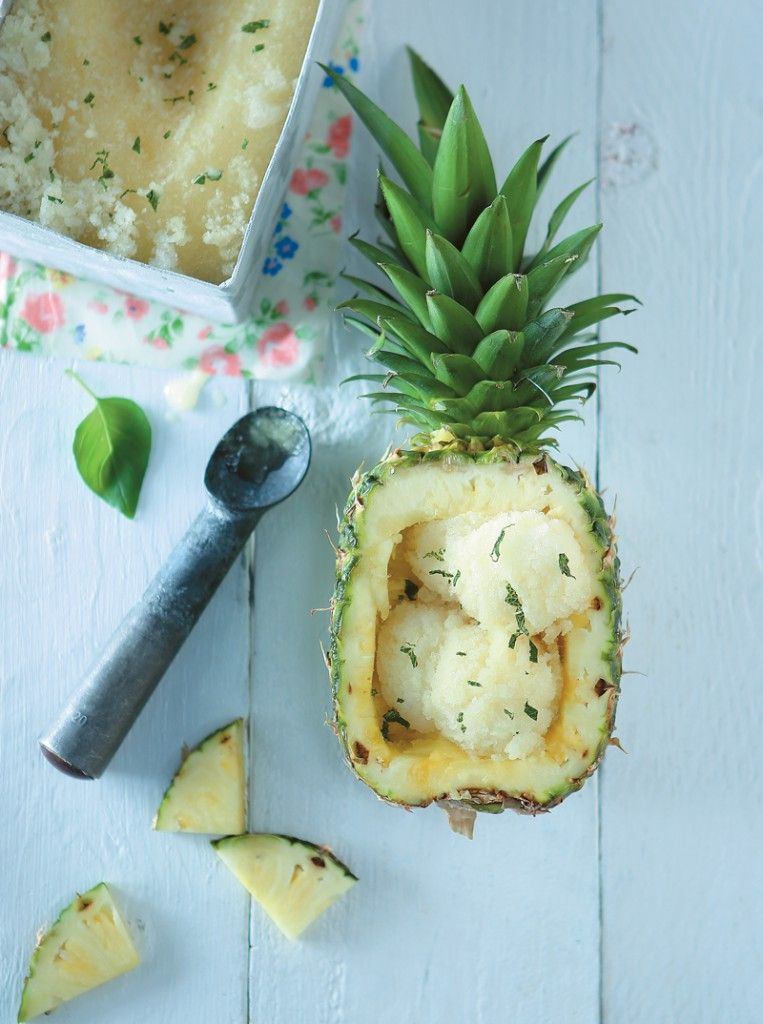
Adding fruit purees, especially apple or mango, can enrich the natural creaminess thanks to their high pectin content, resulting in a more homogeneous, luscious texture that melts delightfully on the tongue.
The Role of Air and Mixing
In the world of frozen treats, incorporating air—known as overrun—is crucial. It makes the sorbet light and fluffy rather than dense. Commercial machines do this automatically, but at home, regular stirring every 30-60 minutes during freezing can mimic this aeration. Be vigorous to break up forming ice crystals, ensuring an even, smooth consistency.
Nutritional Perks of Homemade Sorbet
Sorbet is one of the healthiest dessert options—completely fat-free and packed with vitamins and antioxidants from fresh fruit. When made with seasonal produce, it’s a natural, refreshing boost. Keep an eye on sugar content, though; for those with dietary restrictions or blood sugar concerns, natural sweeteners like stevia or agave syrup are excellent alternatives.
Tips for Crafting the Perfect Homemade Sorbet
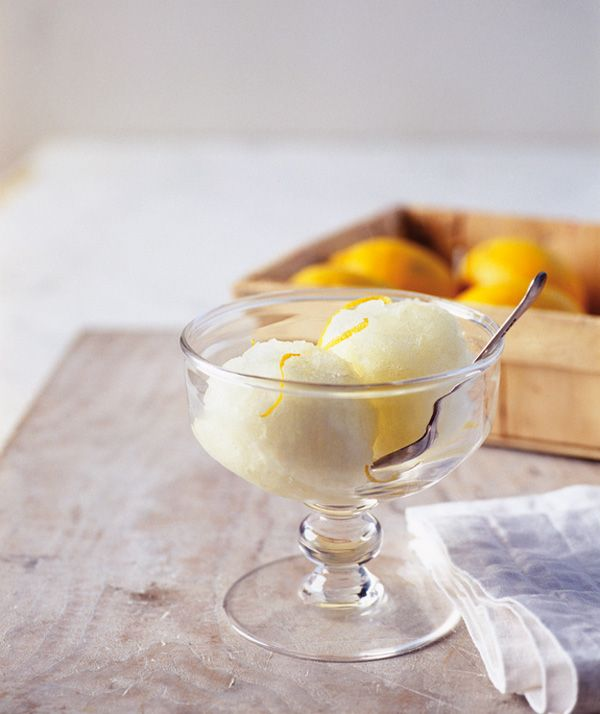
Start with ripe, juicy fruit—overripe fruit enhances sweetness and aroma. Prepare a simple syrup (water and sugar), let it cool, then blend with the fruit. If you lack an ice cream maker, pour the mixture into a shallow dish and stir vigorously every half hour. Remember to add lemon to balance flavors and improve texture. Feel free to experiment with herbs like mint or basil, spices such as ginger or cinnamon, and a splash of alcohol for added depth.
The Magic Lies in the Science
Every scoop of sorbet is a harmonious blend of natural ingredients and scientific precision—fruit, sugar, ice crystals, and juice drops working together to create an experience that’s deceptively simple yet incredibly complex. When thermodynamics meet culinary creativity, what emerges is a dessert that delights the senses and celebrates the beautiful science of frozen perfection.
Ask me anything
Explore related questions