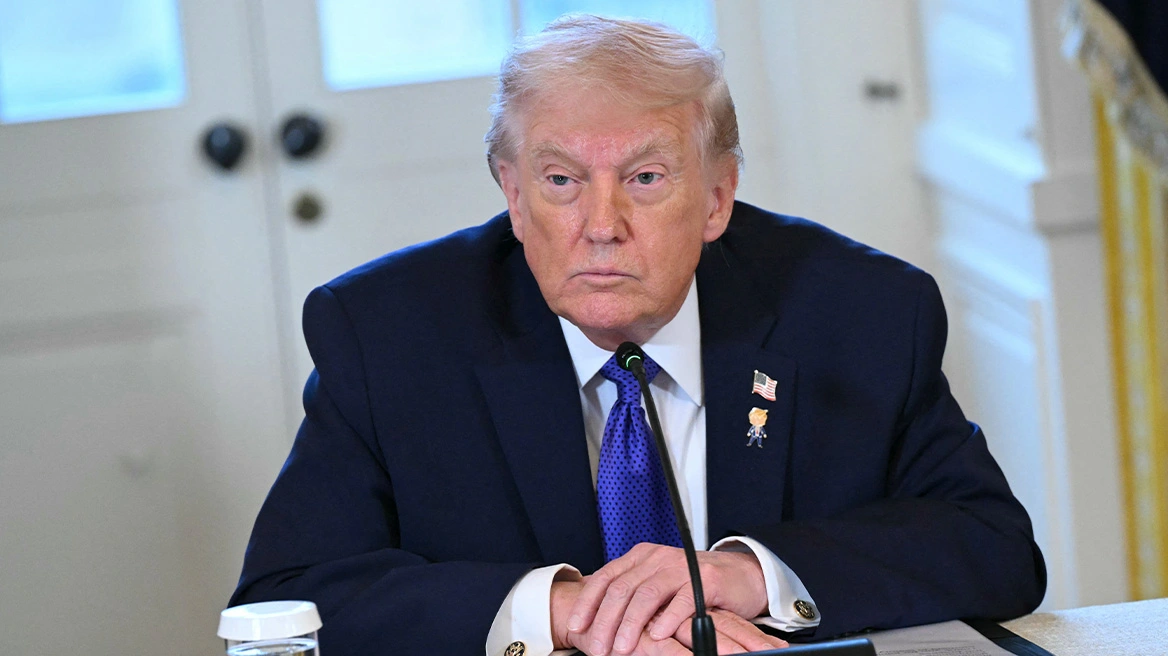


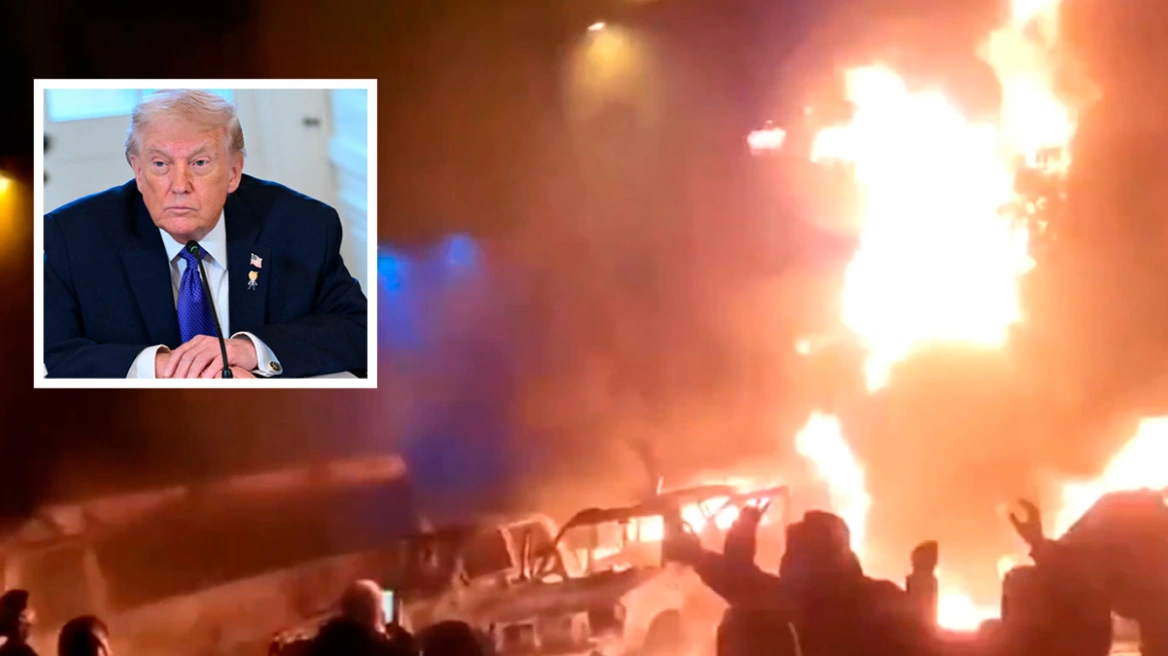
U.S. President Donald Trump has been briefed in recent days on new military strike options against Iran, as he considers carrying out his threat to attack the country over its crackdown on protests, according to several U.S. officials familiar with the matter.
As reported by The New York Times, Trump has not yet made a final decision. However, officials said he is seriously considering authorizing a strike in response to the Iranian regime’s efforts to suppress protests that erupted due to widespread economic problems.
Various scenarios have been presented to the U.S. president, including strikes on non-military targets in Tehran, according to the same sources, who spoke on condition of anonymity because of the sensitive nature of the discussions. Asked about planning for possible attacks, the White House referred to Trump’s public statements and social media posts in recent days. “Iran is looking at FREEDOM, perhaps like never before,” he wrote on Saturday. “The United States is ready to help!!!”
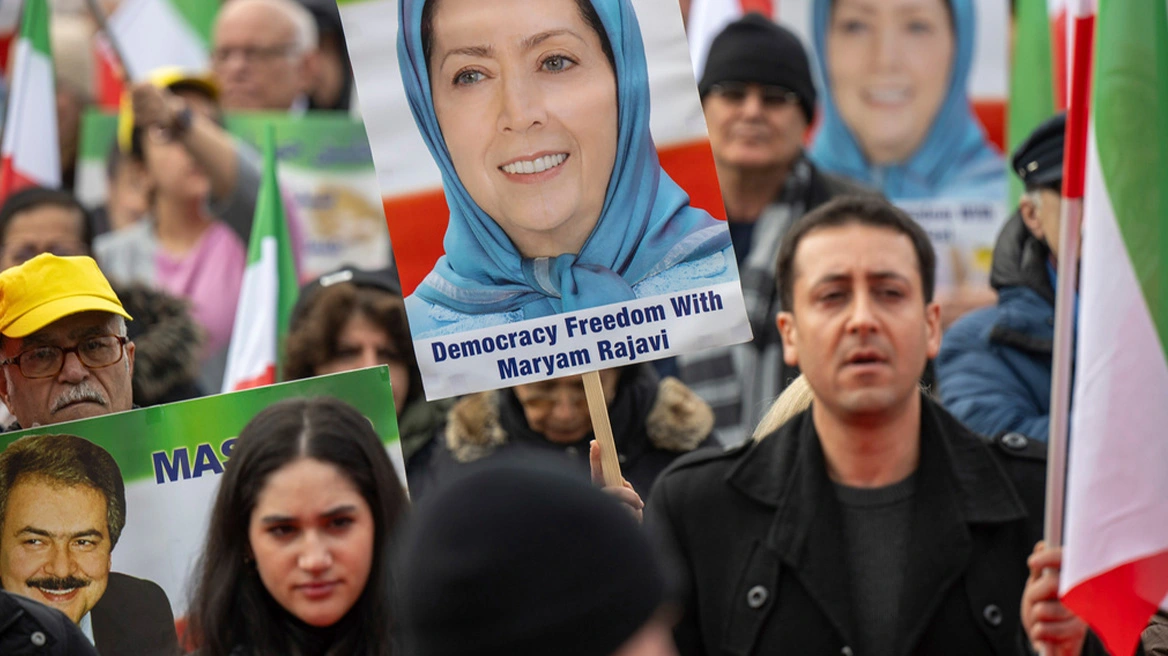
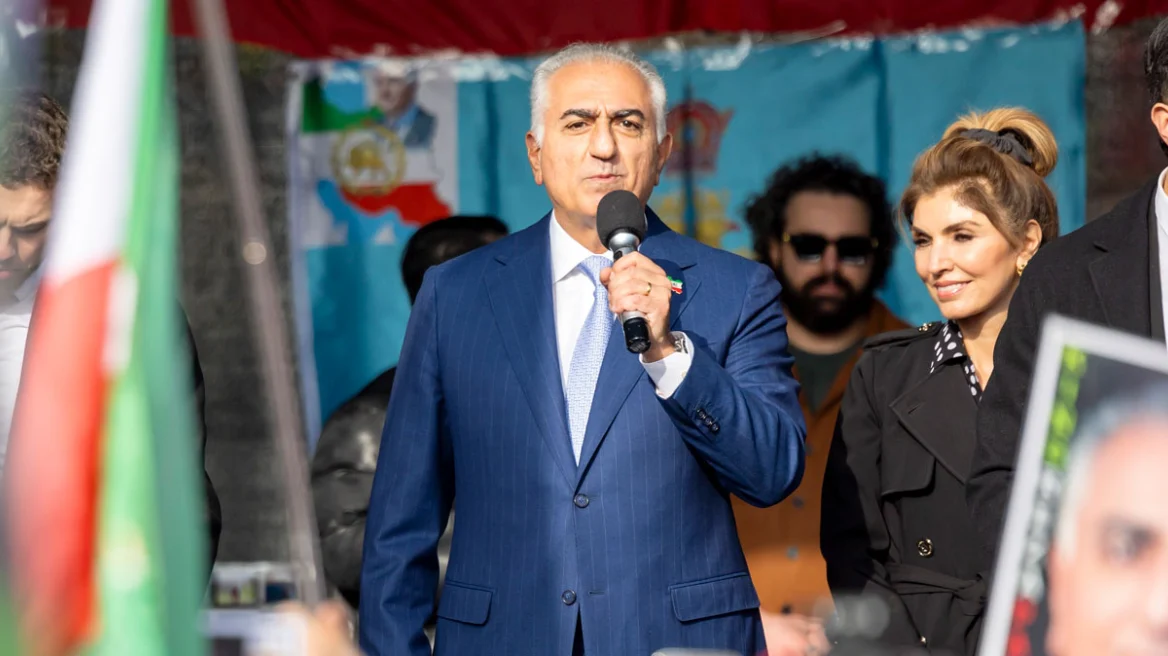
Protests in Iran began in late December in response to the currency crisis but later spread and intensified, with many Iranians calling for sweeping changes to the country’s authoritarian system of governance. Iranian officials have threatened to suppress the demonstrations, and dozens of protesters have been killed, according to human rights organizations.
Iran’s Supreme Leader, Ayatollah Ali Khamenei, said on Friday that the government “will not retreat” in the face of mass protests. On the other hand, Trump has repeatedly threatened to use lethal force against the Iranian government over its crackdown on demonstrators, and on Friday said Iran “is in a very difficult position.”
“I have stated very clearly that if they start killing people, as they have done in the past, we will intervene,” he reminded reporters on Friday during a meeting with oil industry executives. “We will hit them very hard—where it hurts. And that does not mean boots on the ground, but very, very hard strikes. We don’t want that to happen.”
Secretary of State Marco Rubio held a phone call Saturday morning with Israeli Prime Minister Benjamin Netanyahu, according to three people familiar with the conversation. The two leaders discussed the protests in Iran, the situation in Syria, and a peace agreement in Gaza. Earlier on Saturday, Rubio wrote on his personal social media account that the United States “stands with the brave people of Iran.”
Since Trump ordered the U.S. military to attack Venezuela on January 3 and arrest the country’s leader Nicolás Maduro and his wife, Cilia Flores, the U.S. administration has repeatedly emphasized that the president is prepared to take bold action and carry out his threats on other fronts as well.
On Friday, the State Department posted a video of the nighttime attack on Venezuela on an official social media account, accompanied by the message: “Don’t play games with President Trump. When he says he’ll do something, he means it.”
Senior U.S. officials said some of the options presented to Trump regarding Iran are directly linked to elements of the country’s security services that are using violence to suppress the growing protests.
At the same time, however, U.S. officials stressed that caution is needed so that any military action does not have the opposite effect—namely, rallying Iranian public opinion around the government—or provoke retaliation that could endanger U.S. military and diplomatic personnel in the region.
A senior U.S. military officer said commanders in the region would prefer more time before any potential strike in order to reinforce U.S. military positions and prepare defenses against possible Iranian retaliation.
U.S. officials emphasized that any military action would need to balance fulfilling Trump’s promise to punish Tehran’s government—if it suppresses protesters—while avoiding further escalation of the situation.
Iran Threatens to Respond If…
Tehran, for its part, is not simply listening to U.S. threats but is pushing back. Iran will attack U.S. military bases in the Middle East if the United States strikes first, Iran’s parliamentary speaker said today, following reports that the Trump administration is considering preliminary strike options against Iranian military targets.
Mohammad-Bagher Ghalibaf also threatened that Iran would target maritime shipping routes in the Middle East, as well as Israel. The United States maintains air and naval bases in the United Arab Emirates, Bahrain, and Qatar. Iran struck the Al Udeid air base in Qatar last June, following U.S. heavy bombings of three Iranian nuclear facilities.
Ghalibaf also left open the possibility of a preemptive strike, echoing other senior officials who have referred to this scenario in recent days. As parliamentary speaker, he is Iran’s third-ranking official, after the supreme leader—who has the final say on domestic and foreign policy—and the president. He is also a former commander of the Islamic Revolutionary Guard Corps and continues to enjoy their support.
Pezeshkian: “Terrorists” Linked to Foreign Powers Are Killing Civilians
Meanwhile, after days of silence, Iranian President Masoud Pezeshkian, speaking today to a regime-aligned media outlet, claimed that “terrorists” with links to foreign powers are killing civilians, burning mosques, and attacking public property.
According to him, Iran’s enemies seek to “sow chaos and unrest” in the country.
At the same time, however, he adopted a more conciliatory tone, stating that the Iranian establishment is ready to listen to the voices of citizens. He added that his government is determined to resolve the people’s economic problems, while calling on citizens to distance themselves from “troublemakers and terrorists.”
Ask me anything
Explore related questions