




The government has shifted to a tougher stance after farmers’ union leaders rejected, for the third time, a proposed meeting with the Prime Minister. Kyriakos Mitsotakis was prepared to meet a delegation of around 20 representatives who had agreed to attend, but union leaders insisted on bringing 35 people or cancelling the meeting altogether.
Government officials refused, accusing parts of the union leadership of having little interest in real dialogue and more interest in maintaining confrontation. Despite behind-the-scenes discussions between ministers and union figures, no compromise was reached and the meeting was officially called off.
Tensions were also raised by the inclusion of individuals facing legal investigations or linked to violent incidents during protests. Officials argued that it would be inappropriate for the Prime Minister to negotiate with people accused of unlawful behavior.
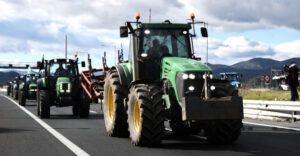
With negotiations stalled, the government is now preparing to activate “Plan B,” which includes administrative penalties for tractor owners blocking highways and possible legal action for obstructing traffic. Prosecutors have reportedly been urged to enforce existing court orders.
At the same time, officials admit that removing tractors from major roads is not practically easy, limiting what the state can realistically do. Still, some within the government argue that continuing to seek talks makes the state appear weak, especially when other social groups are being affected by the blockades.
They also stress that not all farmers are protesting, and that the ongoing disruptions are harming citizens who are not involved in the dispute.
Ask me anything
Explore related questions