
The least visible, the least famous personality was also the most interesting by far among all members of the Greek royal dynasty—and by a wide margin, at that. She was certainly the most unconventional—or even eccentric, to say the least.
Princess Irene was an archaeologist, a devoted student of supernatural phenomena and extraterrestrial life, an outstanding pianist of international soloist caliber, and, above all, a woman who showed complete indifference to the attitude expected of a “blue-blood.” For instance, although she possessed an admirable sense of style and elegance, Irene detested jewelry.
She never paid the slightest attention to material possessions, and whatever wealth she had—primarily the €900,000 compensation from the Greek state for the confiscation of royal property—she donated in its entirety to the charitable organization “World in Harmony” (Mundo en Harmonía). The organization was founded by Irene and remained active for nearly 40 years, until January 2024. Indicatively, one of the organization’s very first initiatives—naturally at Princess Irene’s wish—was to send cows to India.
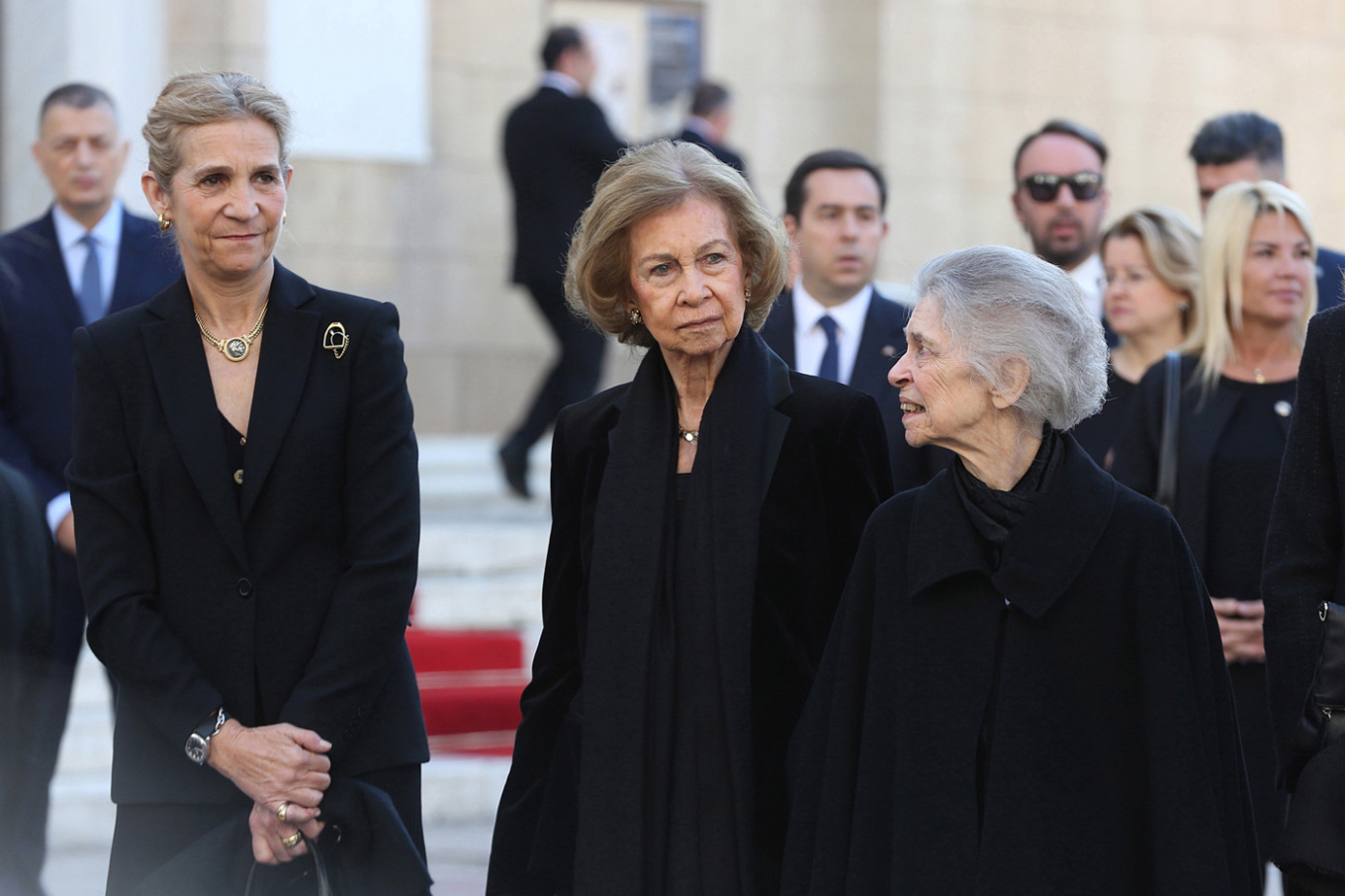
At the time, Irene had essentially attempted—admittedly in a somewhat quixotic way—to save as many cows as possible by evacuating them from Europe. In 1985, due to the “mad cow disease” epidemic, the slaughter of four million animals had been decided. And Irene, a fervent animal lover, loaded several hundred of them and sent them to India, where these mammals, as is well known, enjoy divine status. In at least one of the airlifts transporting cows, Princess Irene herself took part personally.
Princess Irene of Greece and Denmark—Irene de Grecia—who passed away at the age of 83 beside her beloved sister, Queen Sofía of Spain, was a woman who conspicuously—“demonstratively,” one might say, were she not so fanatically reserved—deviated from the life trajectory prescribed by her lineage. After all, as the daughter of Paul and Frederica, sister of Constantine and Sofía, Princess Irene was the very definition of genuine noble descent.
She had kings as grandparents, kings as parents, was herself the sister of kings, while belonging to the same dynasty as Queen Elizabeth of Great Britain, two German emperors, seven tsars of all the Russias, eight Danish kings, five Swedish kings, and one queen of Norway.

As regards titles and family ties, the princess who passed away on Thursday, January 15, 2026, could be seen as tangible proof of how closely interconnected—by bonds of blood—the members of Europe’s royal houses truly are. The same applies, of course, to her siblings: the last surviving Sofía and the former king Constantine II, who died around this time, on January 10, 2023. Irene will be buried beside him at Tatoi, on a date expected to be announced by the Spanish royal household.
Princess Irene’s nickname was “Tía Pecu,” which in Greek and in free translation means “our whimsical aunt.” That is how her nieces and nephews came to address her, confirming that she was entirely different from any other relative of theirs. And indeed, Irene could have pursued an international career as a classical pianist and/or as an archaeologist. Her abilities, love of learning, and devotion to whatever captured her interest were more than sufficient to lead her to distinction—distinctions she would have fully and objectively deserved, and by no means simply because she happened to be a princess.
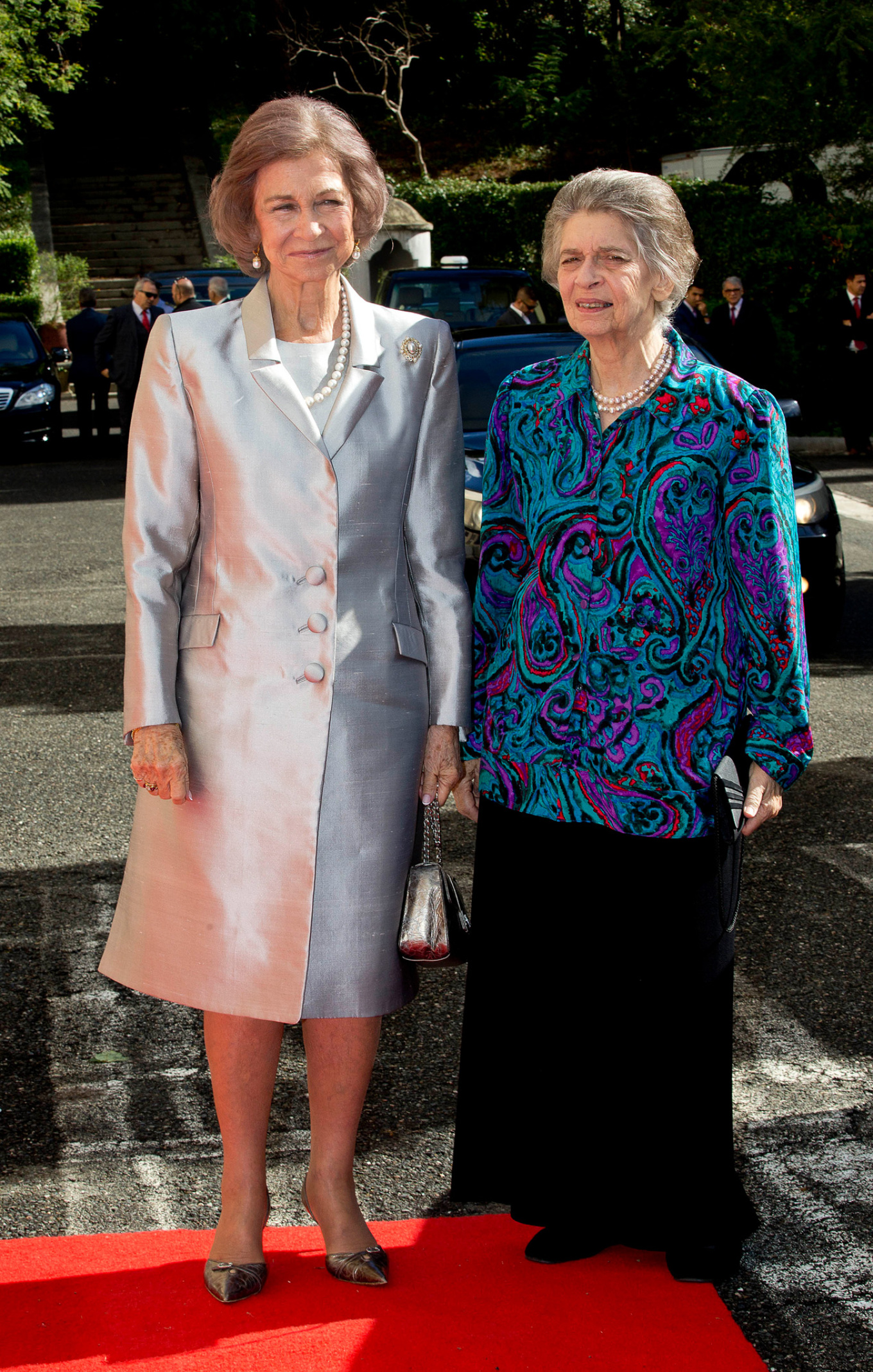
In some way, Irene’s path was unusual from the outset and was destined to be adventurous. She was born on May 11, 1942, in Cape Town, South Africa, where the royal family had taken refuge while fleeing war-torn and occupied Greece. That is why General Jan Smuts, then Prime Minister of the Union of South Africa, was one of Irene’s godfathers at her baptism.
She first came to Greece in 1946, roughly coinciding with the “Third Round” of the Greek Civil War. She was educated, together with her siblings, at the small school of the kings in Paleo Psychiko. At the age of nine, Irene was sent to Germany, where she attended a model preparatory school directed by Prince George of Hanover, her uncle and brother of Frederica. Irene remained there as a boarder, continuing her studies until 1957. At the same time, of course, like her siblings, she attended classes in Greek language, history, and so on.
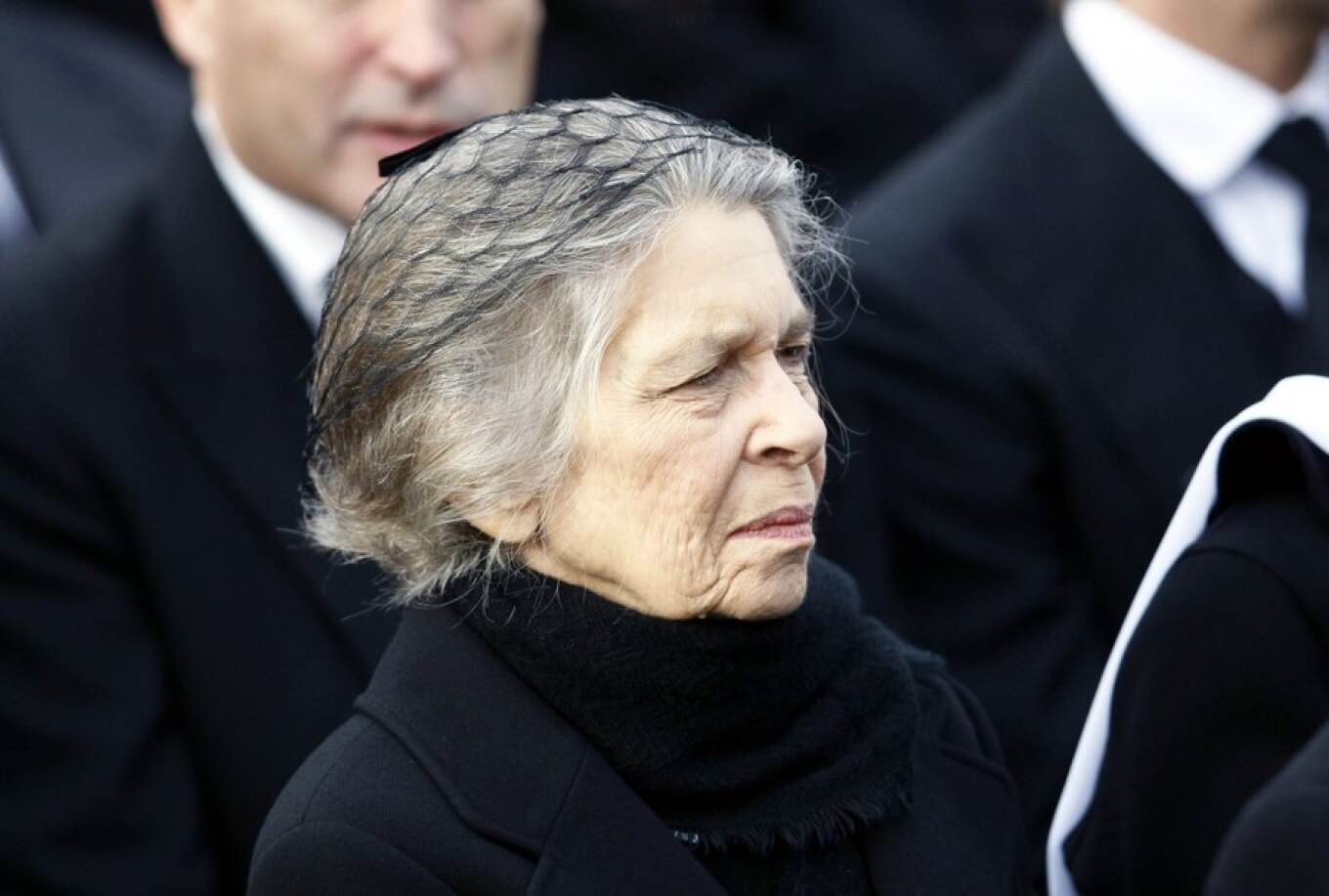
She studied philosophy and archaeology under Professor Theofano Arvanitopoulou and, returning to Greece in the late 1950s, Irene devoted herself intensively to archaeology and took part, together with Sofía, in excavations in the area of ancient Decelea, that is, around the then royal estates at Tatoi. The findings and conclusions of this research were published in 1958, when Irene, by decision of her mother, Queen Frederica, was serving as head of the welfare organization “Soldier’s Undershirt.”
Irene zealously dedicated herself to caring for Greek soldiers, while at the same time, having inherited her father’s musical talent, she rapidly advanced her musical studies. She appeared in concerts and piano recitals as a protégé of the great Greek pianist Gina Bachauer. As a promising soloist, Irene performed before audiences in Europe and the United States, mainly at charitable events and always under the watchful eye of her mentor and teacher.
After the 1967 coup and the royal family’s once again leaving Greece, Irene initially found herself in Rome. As the only unmarried daughter, Frederica almost clung to her, and the two became inseparable—first in Italy and later in Spain—while frequently traveling around the world, with a particular fondness for India. It is characteristic that in 1969 mother and daughter decided to extend their stay in India almost indefinitely, as both had been captivated by the country’s distinctive spirituality and philosophy.
Frederica and Irene developed close ties with Dr. Teliyavaram Mahadevan Ponambalam, director of the Centre for Advanced Philosophical Studies at the University of Madras, a modern guru of esotericism whose teachings deeply influenced the Greek noblewomen. As a result, Irene was appointed successor to Dr. Mahadevan and vice president of the aforementioned Centre, and later took on the editing of her great teacher’s complete works, the founding of a library in Madras, and more.
In India, having largely assimilated into the local culture, Irene repeatedly invited and hosted her sister. On one of Sofía’s trips, her children accompanied her as well.
After Frederica’s death in 1981, Irene settled permanently at the Zarzuela Palace in Madrid, essentially spending her entire life alongside her younger sister, Queen Sofía.
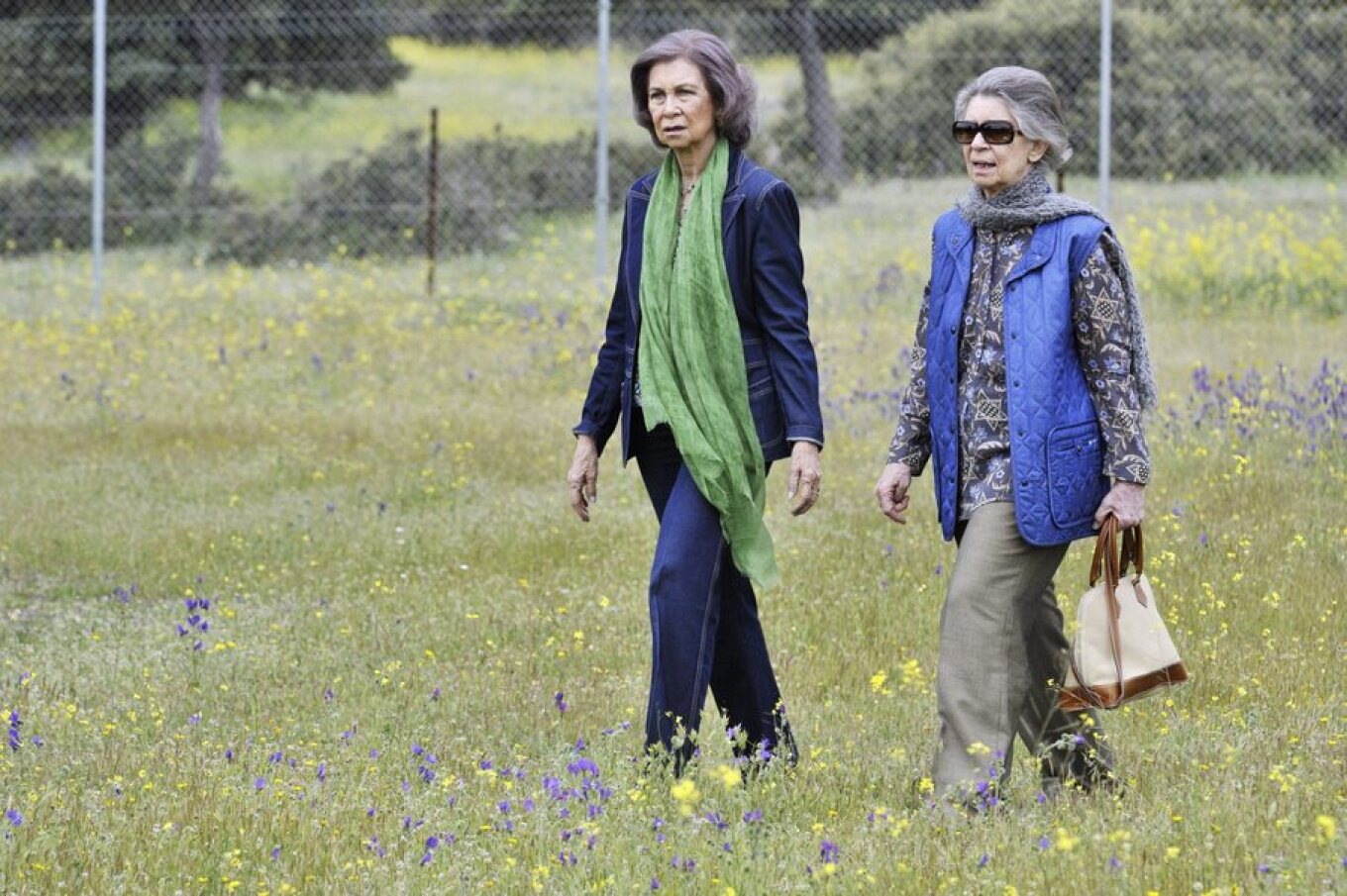
As for her interests, Irene continued to delve into occultism, the search for extraterrestrial life, unidentified flying objects, parapsychology, and the like.
Undoubtedly, she lived exactly as she chose, not as her princely title or any protocol might have dictated. She shared her private life with a companion—someone even more discreet than she herself—whom she trusted with her innermost thoughts and feelings. One of these, as one might assume, was that her death should be just as quiet as her passage through this world.
Ask me anything
Explore related questions