





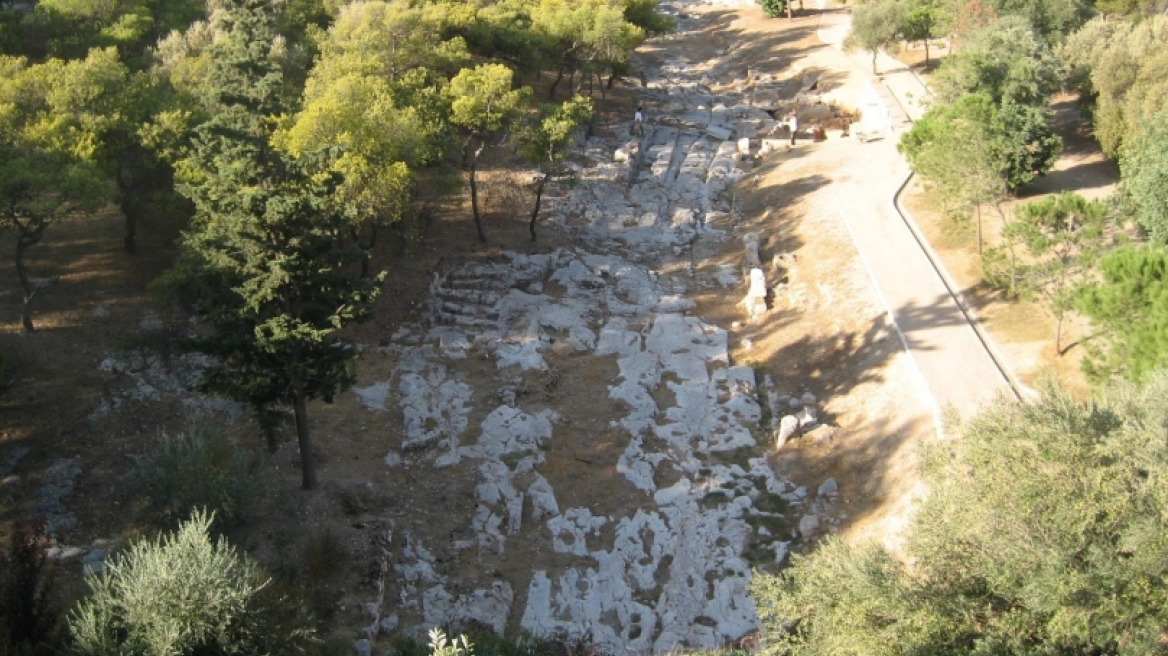
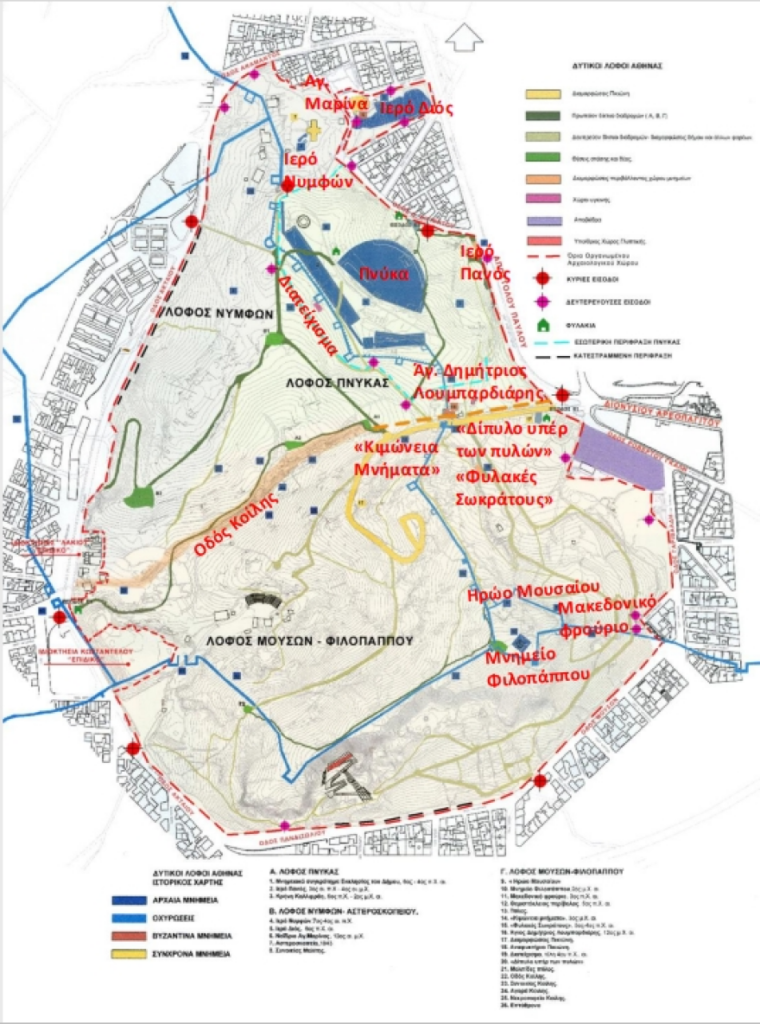
The Greek Ministry of Culture, through the Athens Ephorate of Antiquities, is launching a new cultural route that integrates the Koili Odos—one of the most important ancient roadways of Athens—into the network of Acropolis pathways. This initiative focuses on the archaeological sites across the Western Hills of the Acropolis, including areas such as Pnyx, the Muses Hill, the Nymphs Hill, and Philopappos Hill.
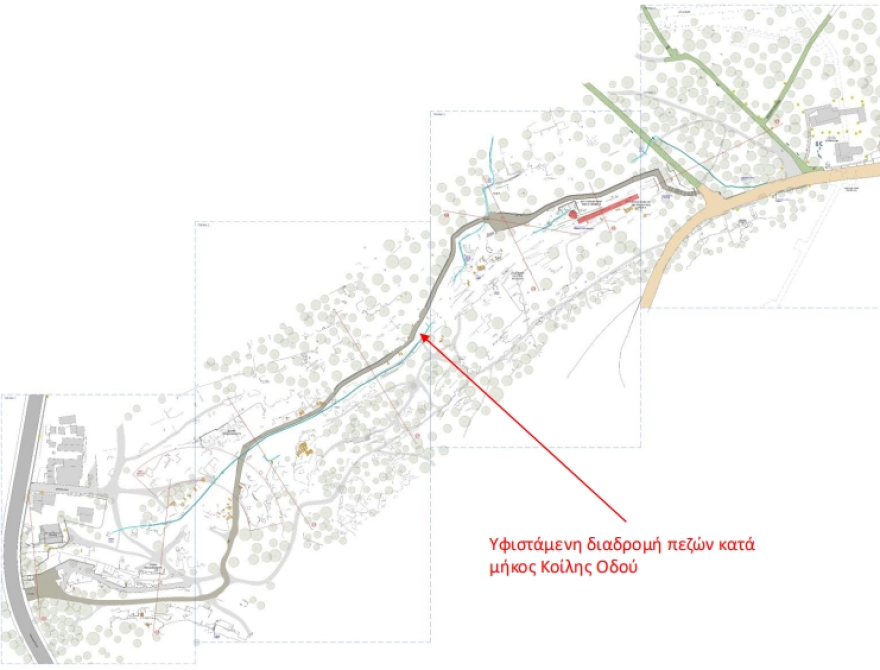
The Koili Odos, which traverses the Western Hills, played a vital role in ancient Athens by connecting political, social, and commercial life. The route includes notable monuments such as the Ecclesia of the Demos, the Philopappos monument, Socrates’ prison, the Kimonian tombs, and various sanctuaries dedicated to the Muses, Nymphs, Pan, and Zeus.
Minister of Culture Lina Mendoni emphasized the importance of the Koili Odos as a unique testimony to the history, topography, and spatial organization of ancient Athens. The project aims to preserve and highlight the archaeological value of the site, improve accessibility for all visitors, enhance educational and informational resources, and create a safe and visitor-friendly environment.
The restoration work addresses various challenges, including infrastructure deterioration, damaged paths, limited accessibility for people with disabilities, lack of lighting and signage, and environmental degradation. Efforts include archaeological cleaning, restoration of existing paths, construction of new routes, drainage improvements, and installation of accessibility features such as tactile maps, audio guides, Braille signage, and QR codes.
Additionally, the project will reactivate ancient water drainage systems, carry out further excavations in important areas, and develop educational programs to increase public awareness of the historical and archaeological significance of the route and its surrounding ancient deme (municipality).
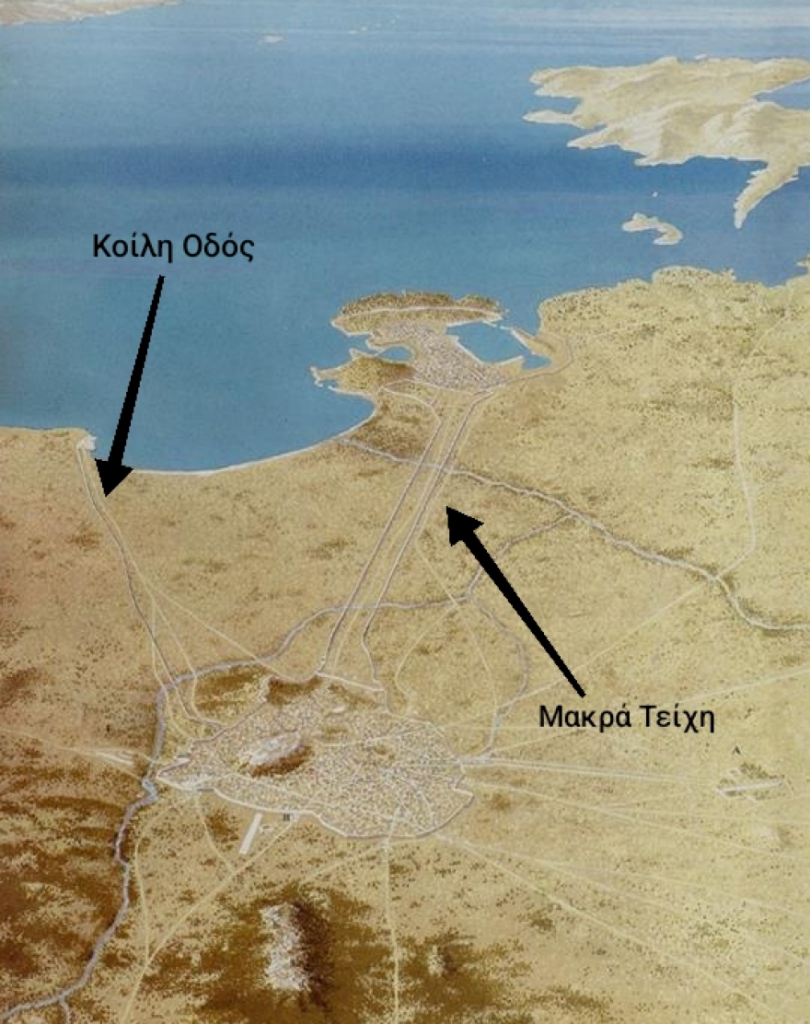
The Western Hills area also contains remains of ancient demes Melite and Koile, Byzantine chapels, and modern features like the Pikionis landscaping and the Athens Observatory. The region has been inhabited since archaic times and became a political and commercial hub in the 5th and 4th centuries BCE, connected to the ports of Piraeus and Phaleron by the Long Walls.
This cultural route project forms part of a broader strategy to protect, enhance, and sustainably manage the Acropolis archaeological zone, enriching visitor experience while safeguarding the rich history of Athens.
Ask me anything
Explore related questions