




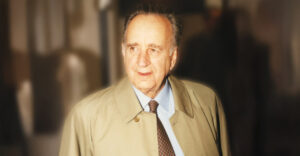
Nikolaos Stasinopoulos, Greece’s foremost industrialist and a pioneering visionary, passed away peacefully at his home at the age of 94. For decades at the helm of Viohalco and serving as Chairman of its Board until today, he not only laid the solid foundations for the company’s growth, leading it steadily to become one of Europe’s leading metal-processing industrial groups, but also helped shape the Greek industry of the future, elevating it to global prominence.
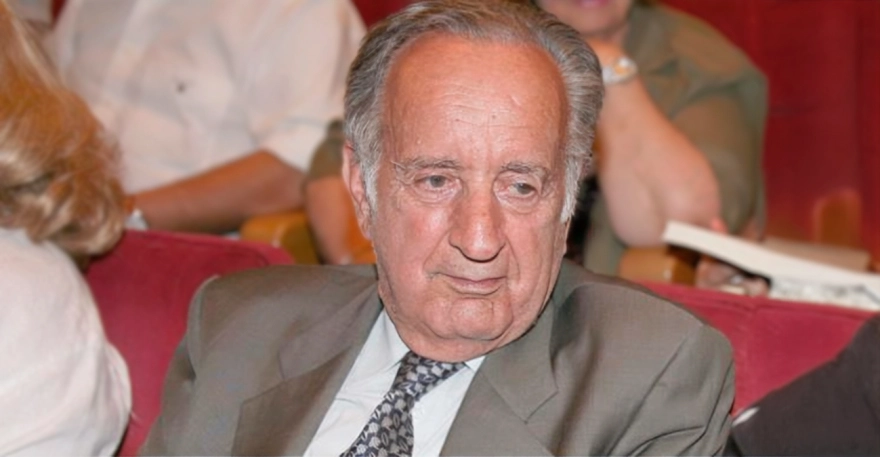
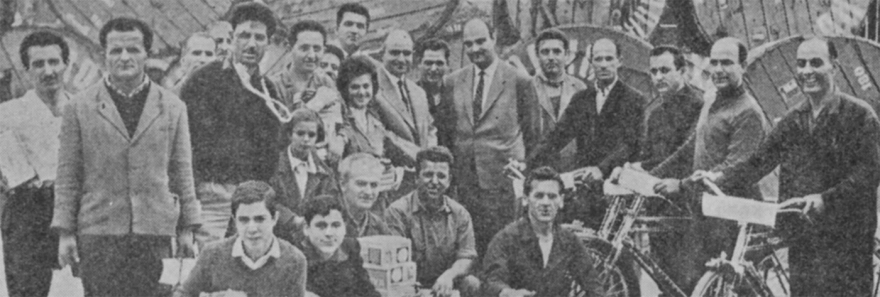
Born in Athens in 1932, Nikos Stasinopoulos was an outstanding student at the Berzaneios School and graduated with top honors from the Athens University of Economics and Business (formerly ASOEE). From an early age he worked in the family businesses, taking on various roles and facing the challenges of the post-war period, while actively contributing to the productive development and outward-looking strategy of the then Hellenic Copper and Aluminium Industry. In 1964, following the death of Michail Stasinopoulos, he assumed the leadership of Viohalco together with his brother Evangelos.
Always ahead of his time, Nikolaos Stasinopoulos was perceptive and exceptionally capable, placing particular emphasis on the human factor, business ethics, and transparency. With boldness, foresight, and stability, guided by strong moral principles, he continued and developed his father Michail’s work in the best possible way.
He quickly realized that international markets and global partnerships were the only path forward for the Group’s expansion. He developed an effective and flexible business model, transforming Viohalco into a holding company and transferring production to subsidiaries and affiliated companies. With long-term vision and dynamism, he kept the Group at the forefront through strategic investments and a constant pursuit of technological leadership in its production units.
By strengthening the export orientation of the companies, he developed strategic collaborations with major international firms. At the same time, focusing on innovative, high-quality products for global markets, he invested in new technologies and know-how that enhanced competitiveness, creating an international network of technological partnerships.
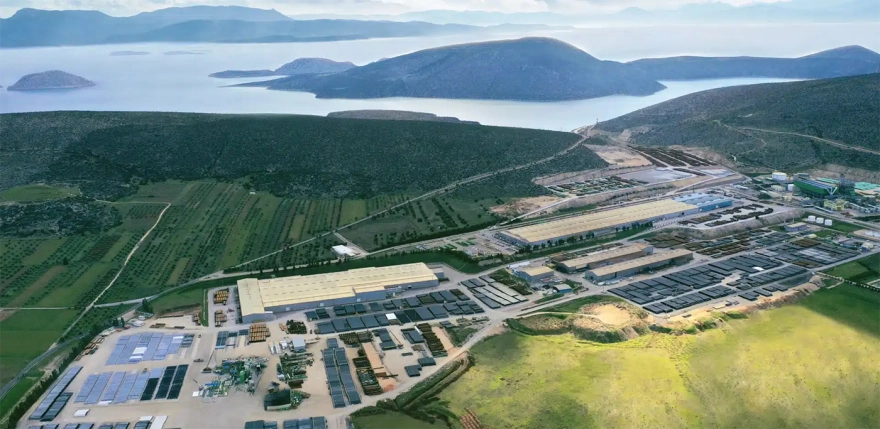
Firmly believing in the human side of entrepreneurship, he focused on the development of employees, remaining close to them and supporting them in a meaningful way. Through long-term efforts, strategic planning, and sound business decisions, he steadily transformed Viohalco into one of Europe’s leading metal-processing industrial groups and Greece’s largest export force.
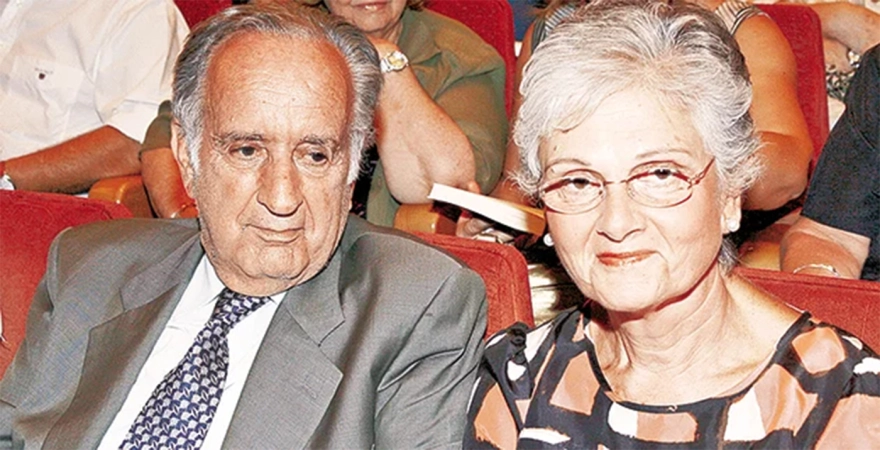
He was also fortunate to see the next generation—his sons Michalis and Giannis—take over the leadership of the international Group, injecting new momentum and a modern spirit while remaining faithful to the founders’ core values.
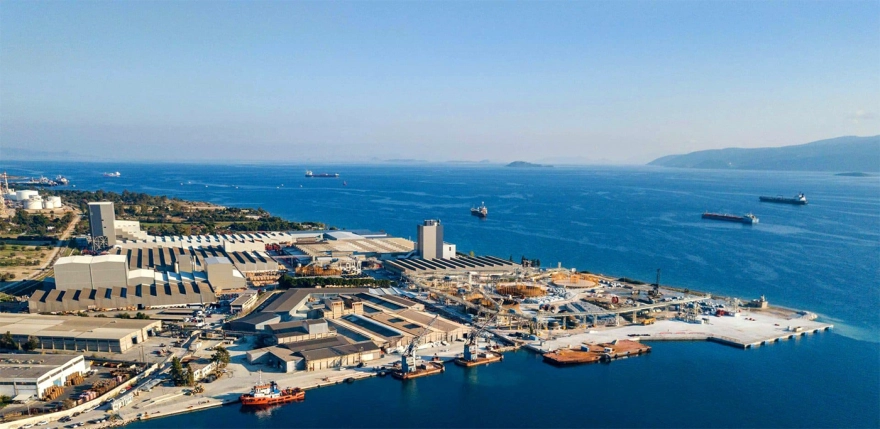
In recognition of his contribution to business and the national economy, Nikolaos Stasinopoulos was awarded the IOBE “Aristeion” in 2018. In 2019, he also received the “Diolkos” Award from the Hellenic Academy of Marketing for his contribution to the internationalization of Greek industry.
Beyond business, he was active in cultural and social fields. Together with his mother, Marianthi, and his brother Evangelos, he founded the charitable “Michail N. Stasinopoulos – Viohalco Foundation” in memory of his father. Later led by his wife, Alexandra Stasinopoulou, the Foundation left a significant social footprint in Tegea, Arcadia, the family’s place of origin.
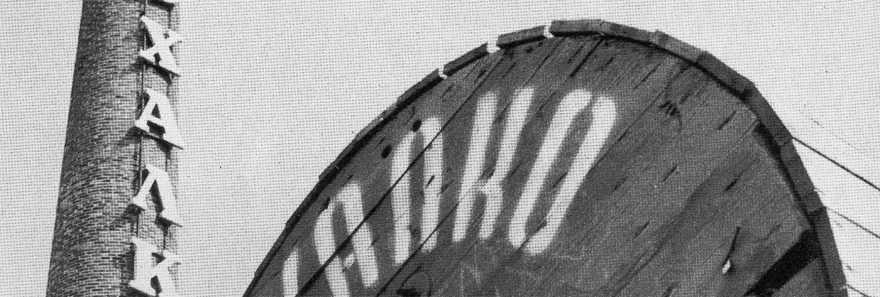
Despite the power he wielded, Nikolaos Stasinopoulos remained almost invisible to the public eye, especially in later years, avoiding social events and showing an aversion to any display of wealth. He belonged to the great generation of Greek industrial pioneers who lived quietly, without excess or ostentation.
Soft-spoken and mild-mannered, yet decisive when needed, he lived a discreet personal life. From his home in Paleo Psychiko to his modest car choices, nothing about his lifestyle betrayed his true influence, earning him the nickname of an “invisible billionaire.”
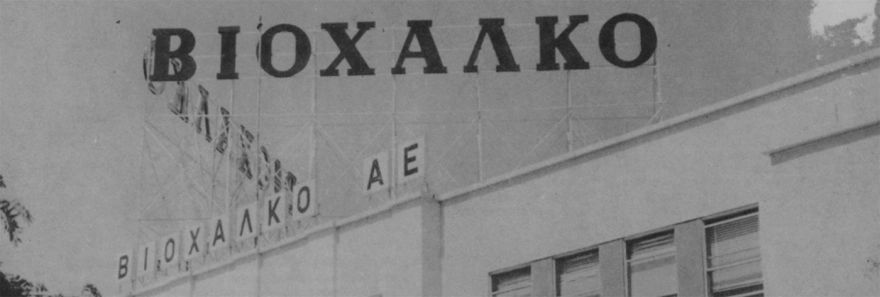
In his final years, due to age, he had withdrawn from public life, leaving behind an indelible personal legacy in the industrial history of Greece.
Ask me anything
Explore related questions