





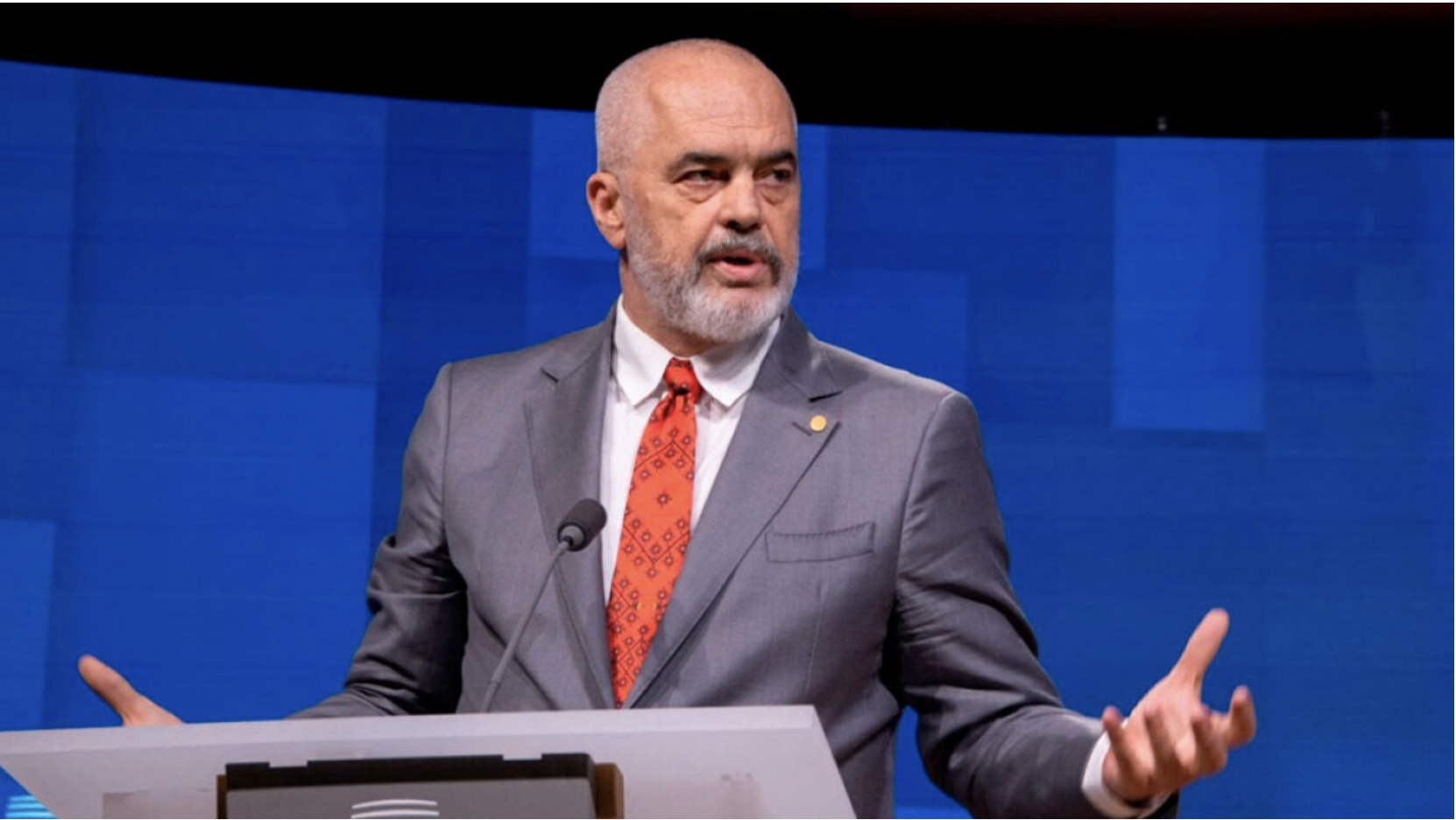
Much has been said recently about the origin of Edi Rama, Prime Minister of Albania, who seems to be facing problems in his country, as shown by the large demonstrations in recent times.
Of course, online, everyone writes whatever they want without restraint. The same happens regarding Edi Rama’s origin. Since this topic caught our attention, we recalled a Facebook post by Dr. Stavros Dayios from a few months ago (May 2025).
We contacted Mr. Dayios, an excellent expert on Greek-Albanian issues with a rich body of work, and asked for permission to republish that post. He kindly and graciously granted permission, and we thank him warmly. Let’s see what Mr. Dayios wrote.
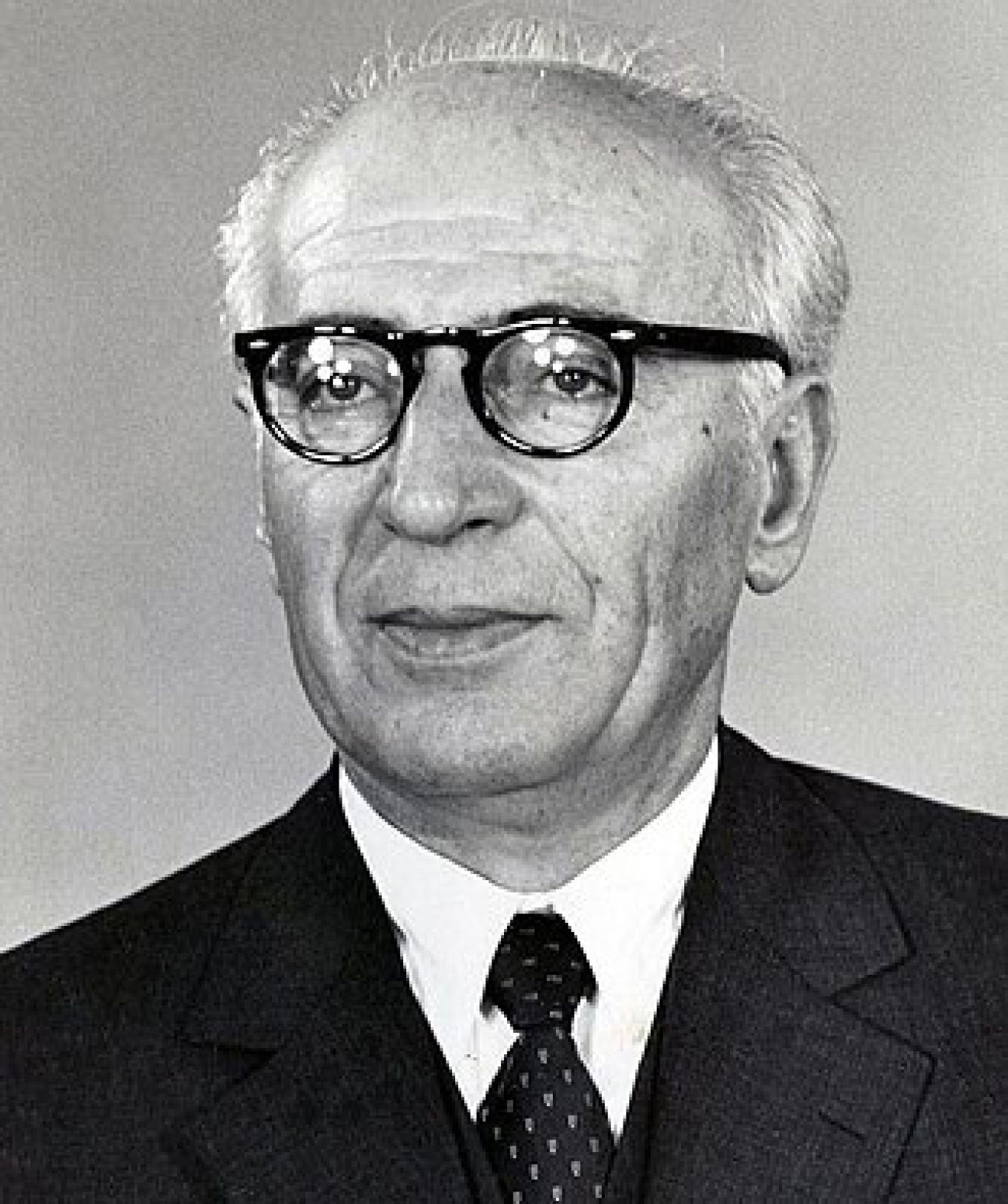
Rama’s uncle Spiro Th. Koleka
“The mother of the current Albanian Prime Minister (a doctor by profession) was descended from a family of recognized prestige from Vuno in Himara, bearing the surname Koleka. Her uncle was the long-lived Albanian politician Spiro Thoma Koleka (1908-2001), a graduate of Italian universities, who rose to the high ranks of the Albanian party and government hierarchy (member of the Political Bureau and minister of various portfolios).
In the same family is Spiro Gogo (George) Koleka (1880-1940), who served as vice-president of the first Albanian Senate (1920), and a member of parliament for various portfolios (1921-1924). After Zog returned to Albania (December 1924), with whom Koleka disagreed over his persecutory policy against Christians, he went into self-exile in Austria (where he had studied engineering), Croatia, Italy, and finally for a long period in Corfu.
He returned to Albania after Zog’s departure (1939) in deeply weakened health and died in 1940 near his family.”
Hoxha with Spiro Thoma Koleka
In 1921, as a member of parliament for Vlora, Koleka demanded the preservation of the privileges of the Himariotes, which “by a remarkable sophism the Albanian government represented their abolition or the subjugation of Himara.” In 1933, Koleka resided in Corfu and spoke “with extremely severe language and heavy criticism regarding the policy of subjugation of his country,” but he maintained the certainty that “the healthy Muslim element disapproves of the politics of the remnants of the feudal regime, namely the war against Christian elements.” Greek newspapers of the time described the “Greek-educated exiled Koleka” as a spirit with democratic and liberal ideas, a fighter for the prevalence of popular ideas in favor of all populations.
His father, Kristaq Rama (1932-1998), an athlete and prominent sculptor of the hybrid “socialist realism” style, served as a member of parliament and member of the Presidency of the Parliament (1970-1991).”
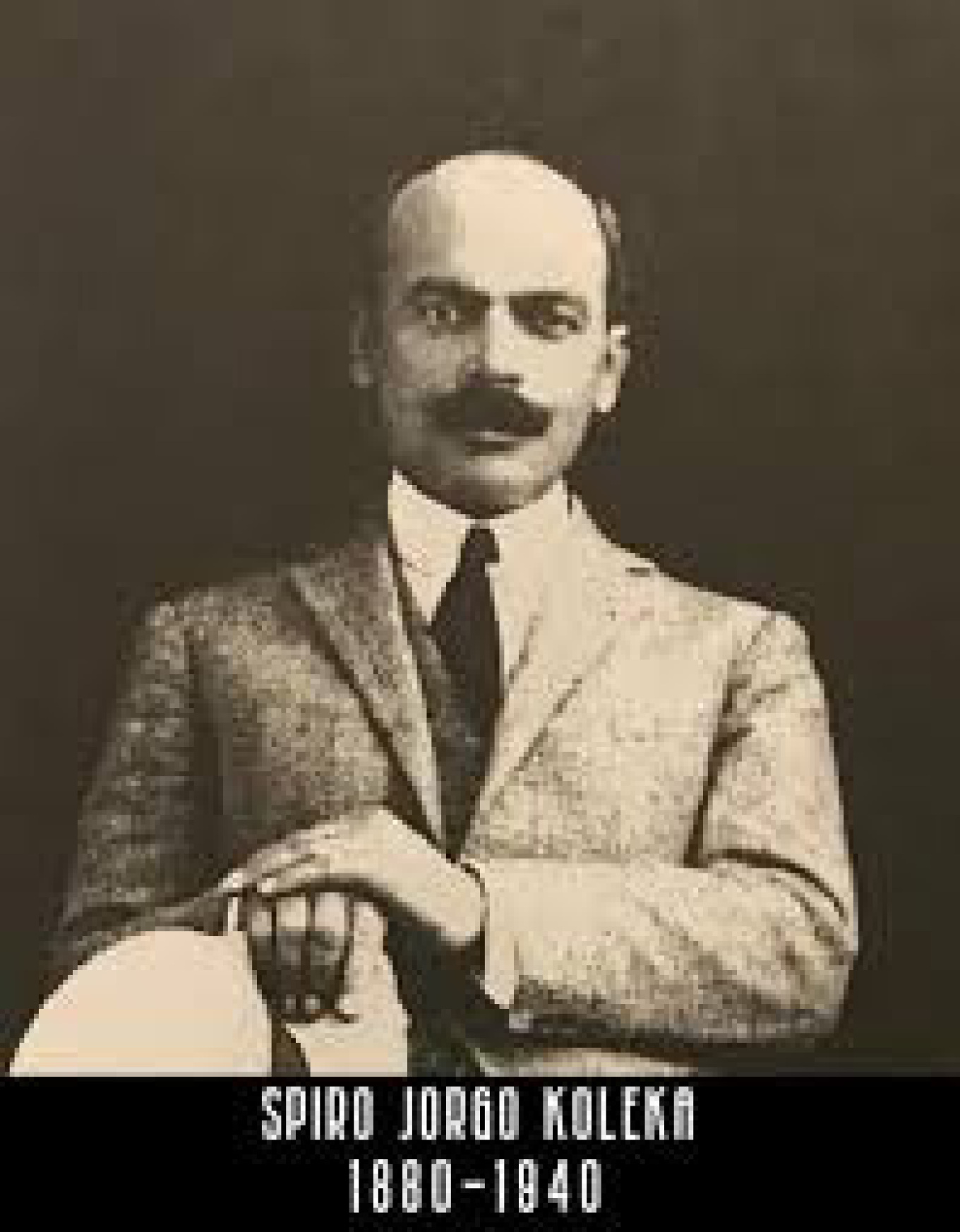
Spiro Jorgo Koleka
Rama himself, however, distanced himself from both his mother’s and father’s origins, following his own political path, claiming that his ultimate origin derives from Roman Catholic Mirdita and from someone descending from there to the village of Vuno (for unspecified reasons) named Kol Leka (hence the surname by derivation) Koleka (Koleka).*
These are mentioned in S. Dayios’ post; let’s see some additional information regarding what is referenced there.
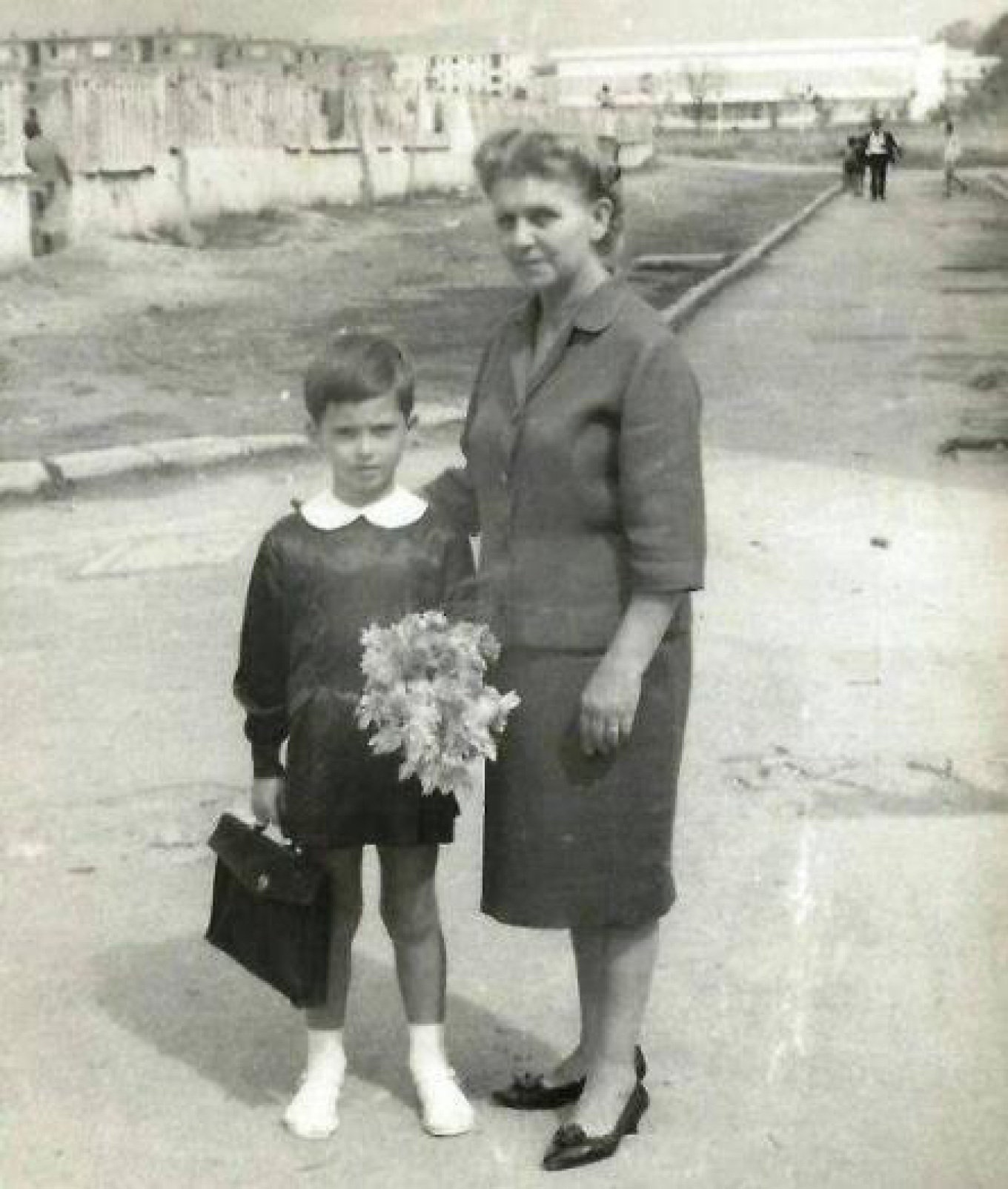
Edi Rama as a schoolboy with his mother
Vuno is a village in Albania, in the Himara municipality of the Vlora region. It is located at an altitude of 321 meters and had 486 residents in 2005. According to the census conducted by the “INTERNATIONAL COMMISSION OF ETHNOLOGICAL SURVEY” in 1914, the village was listed as Vounos. It had 950 inhabitants, all Greeks, four Greek schools, and naturally, no Albanian schools.
It belonged to the Kazá (Province) of Himara, which was ceded to Albania due to Italian and Austrian pressures, along with all of Northern Epirus.
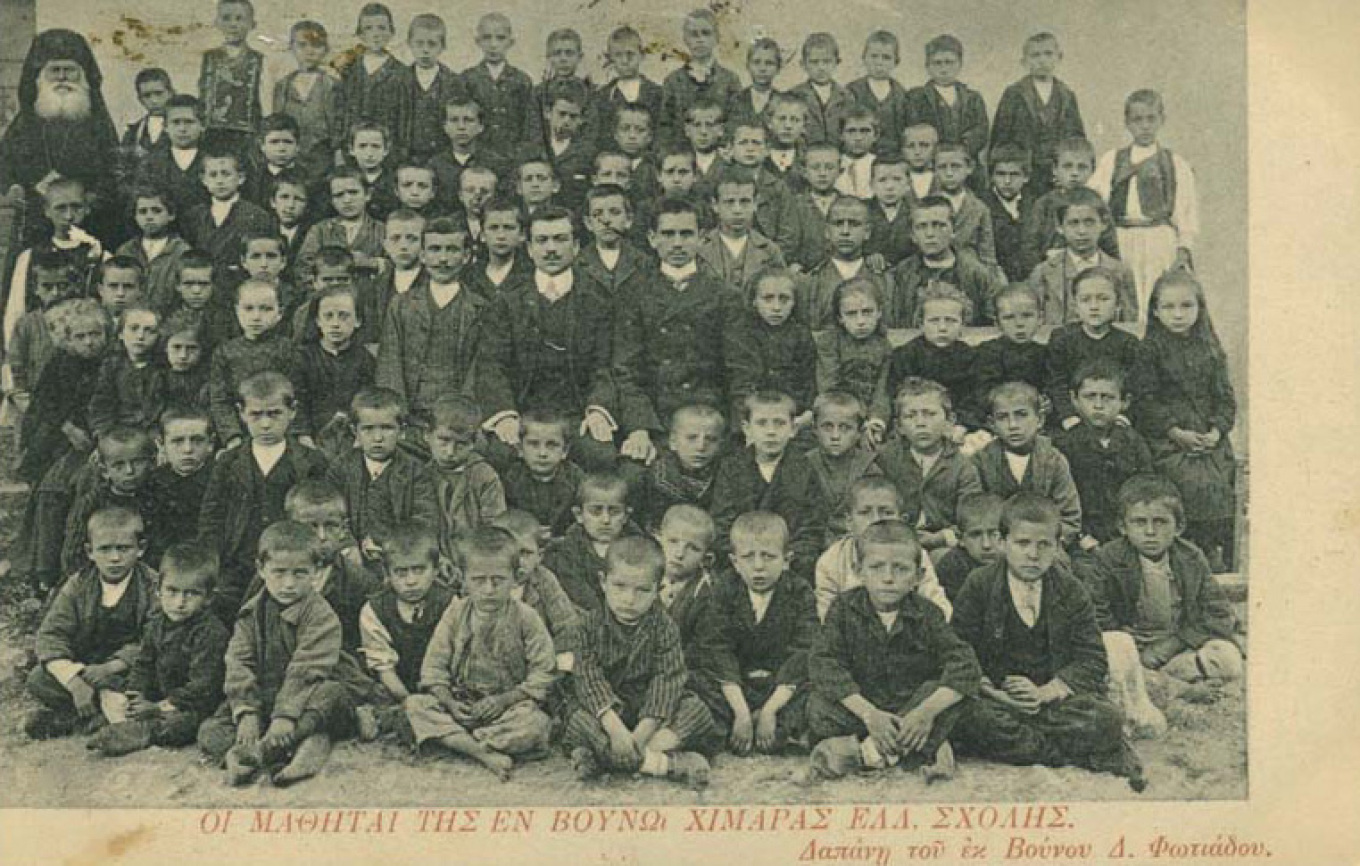
Students of the Greek school in Vuno
Rama’s father, Kristaq Rama (1932-1998), was born in Durrës and had close ties to Hoxha’s regime. A sculptor himself, with studies in the USSR in the 1950s, he served mainly as an inspector of fine arts and external lecturer at the Higher Institute of Arts. In 1988, he reportedly signed, together with Hoxha’s successor, Ramiz Alia, and others, the imposition of the death penalty by hanging on the poet Havzi Nela (1934-1988), and there are also reports that he signed the death sentence of 29-year-old Enver Osmani from Divri (Source: Wikipedia).
Rama’s mother, Aneta Rama-Koleka (her maiden name), was born in Vuno in 1938 and passed away on August 1, 2020. She was a dentist, one of the first female dentists in Albania. Aneta Rama-Koleka studied in Poland. From her marriage with Kristaq Rama, she had two sons: Edi (b. 1964) and Olsi (b. 1969) (Source: Wikipedia).
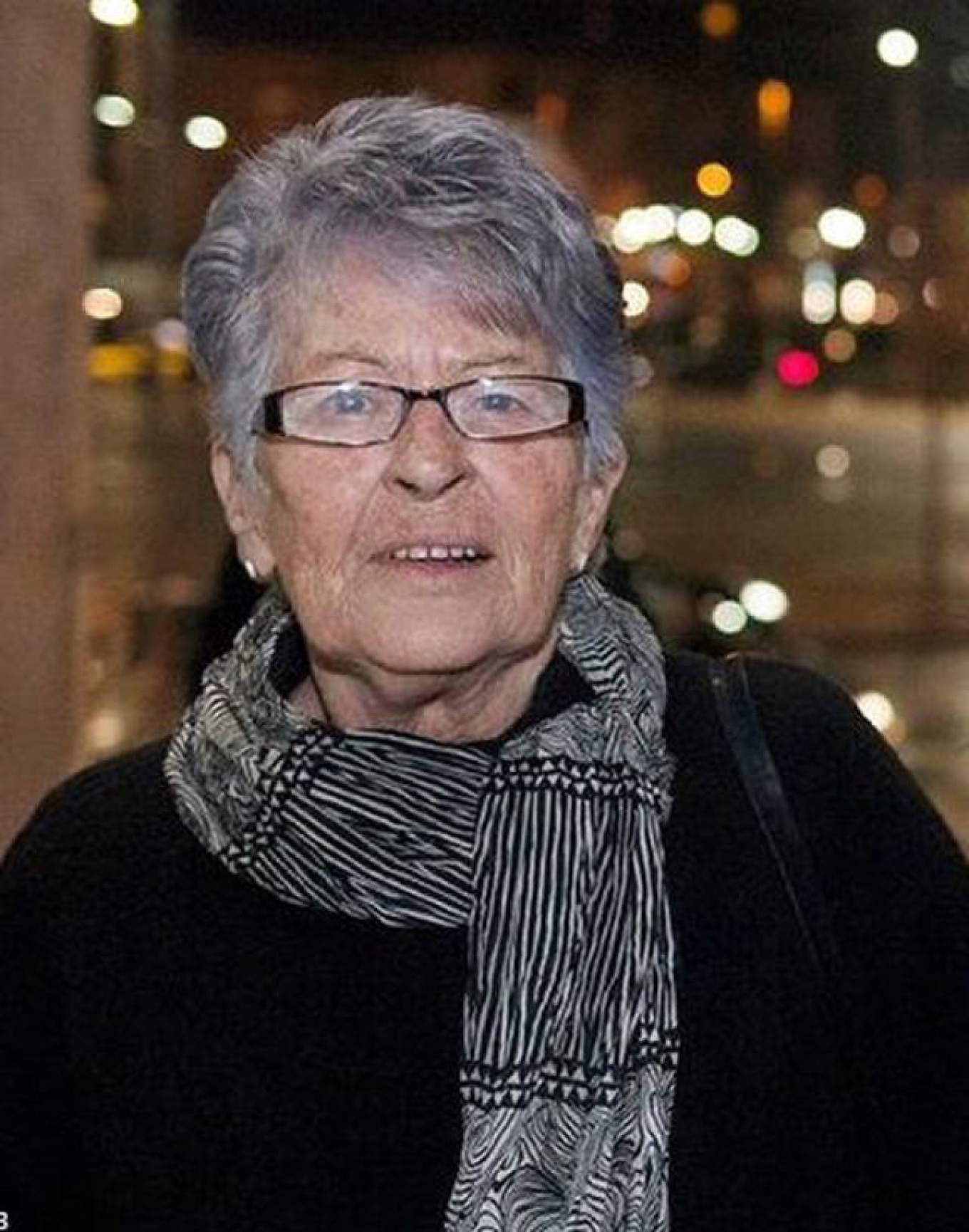
Aneta Rama Koleka, Edi Rama’s mother
Rama’s uncle, Spiro Thoma Koleka (1908-2001), also born in the highly Greek Vuno, as Mr. Dayios notes, reached high ranks during Enver Hoxha’s years (even deputy prime minister). Perhaps this close relationship of Edi Rama’s father and uncle with Hoxha’s regime partly explains his anti-Greek political stance.
Finally, Rama’s ancestor Spiro Jorgo (Gogo) Koleka (1879/1880-1940) served as Albania’s Minister of Public Works in the 1920s, and contemporary Greek newspapers described him as friendly toward the Greeks of Himara and the Christians of the region.
Himara
King Zog mentioned in Mr. Dayios’ post is known in Greek as Zogou. Regarding Edi Rama’s Harvard studies on a Greek scholarship, we found nothing online, and Mr. Dayios also knew nothing on the matter. The surname Rama, however, may share a common root with the surname Rammos, common in Epirus, especially in Pogoni, Ioannina.
We sincerely thank Mr. Stavros Dayios for allowing us to republish his post and to highlight his books, which contain a wealth of unknown information about Albania and Greek-Albanian relations.
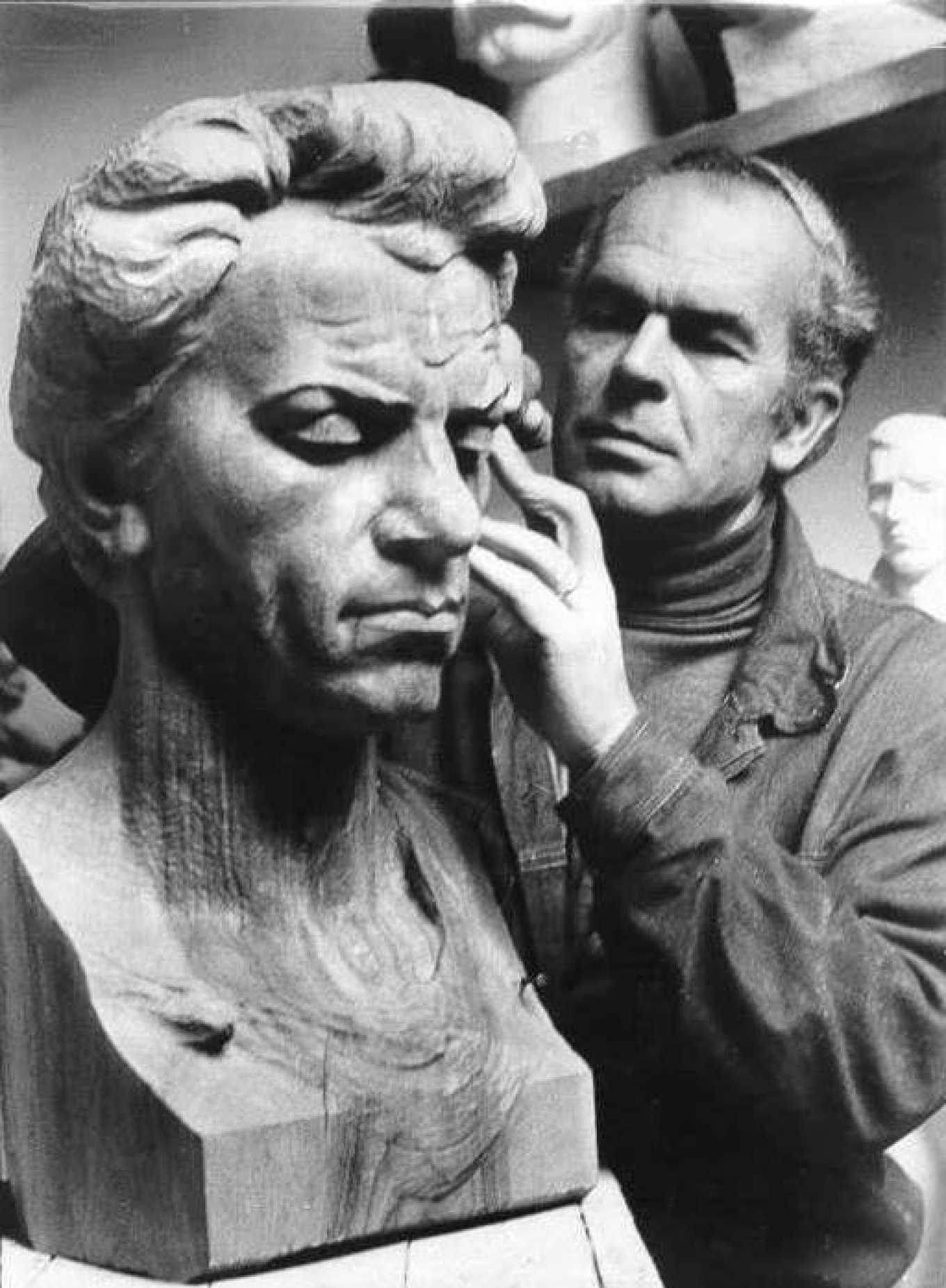
Kristaq Rama, father of the Albanian Prime Minister, with one of his sculptures
Books by Stavros Dayios
- GREECE AND ALBANIA – 50 YEARS OF MUTUAL MISTRUST (2015)
- NIKOS ZACHARIADIS – ENVER HOXHA (2019)
- NIKOS AKRIVOGIANNIS AND THE TRIAL OF THE AIRMEN (2017)
- GREEK REFUGEES IN ALBANIA (2017)
- CHASING CHIMERAS – ALBANIAN POLITICAL EXILES IN GREECE (1945-1991) (2021)
- The international dimension of the E. HOXHA – J. B. TITO rupture and the end of the Greek Civil War (2004, Paratiritis Publications)
- 100 YEARS OF GREEK-ALBANIAN RELATIONS (2025)
All of Mr. Dayios’ books, except the one marked with *, are published by LITERATUS Editions.
Ask me anything
Explore related questions


