





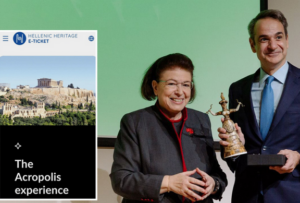
An integrated digital ecosystem that, for the first time, brings together more than 350 archaeological sites, museums, and monuments into a single, modern gateway for visitors—marking a new era for Greece’s cultural heritage—is the Hellenic Heritage project. It was presented today at the National Gallery by its visionaries and creators, the Ministry of Culture and the Organization for the Management and Development of Cultural Resources (ODAP), in the presence of Prime Minister Kyriakos Mitsotakis.
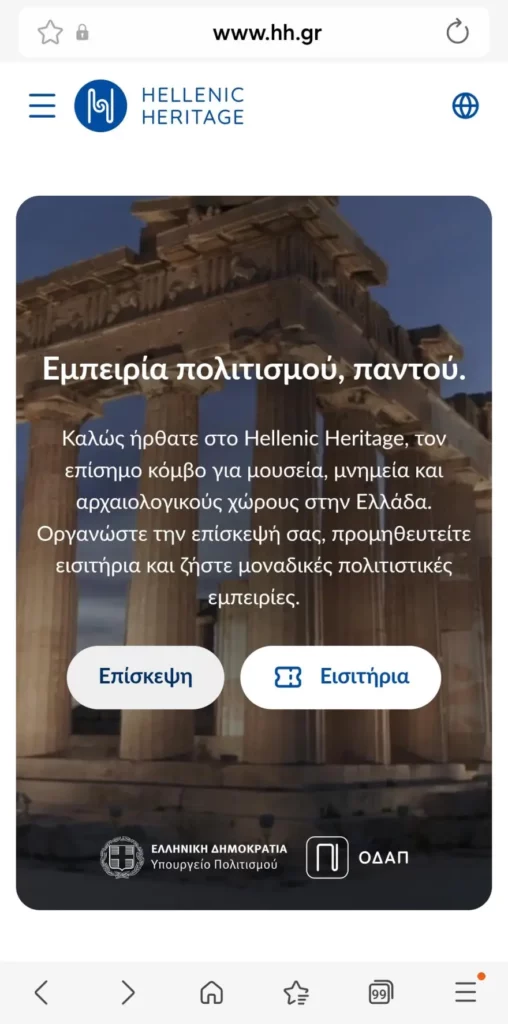
The project, with a budget exceeding €27 million and funded by the Recovery Fund, includes a series of digital services delivered through the platform hh.gr, which is scheduled to go live in April 2026. These services relate to accessibility, organization, and the operation of the country’s cultural landmarks. They include electronic ticketing at 108 archaeological sites and museums; digital guided tours in eight languages—including Greek and, for the first time, international sign language—for the 40 most visited sites; innovative Augmented and Virtual Reality (AR/VR) applications, and more. All of the above aim to upgrade the overall visitor experience and establish Culture as a key development tool.
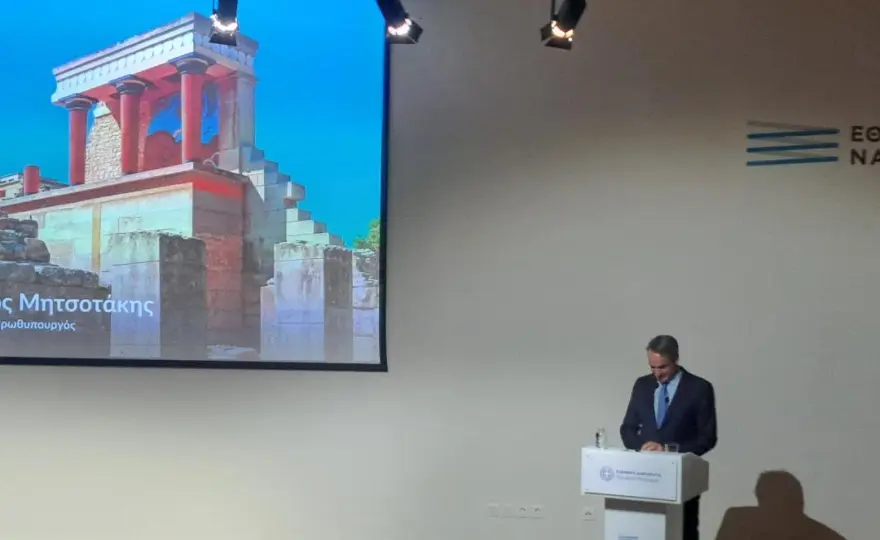
Prime Minister Kyriakos Mitsotakis described the project as “emblematic”:
“It uses the very latest technology not only to showcase our cultural wealth, but also to offer new dimensions of experience. Through technology—virtual and augmented reality—visitors now have the opportunity, even remotely, to ‘travel’ through time and to travel to Greece, to its events and, of course, to the art that framed them.”
He added pointedly:
“If Greece possesses this unique cultural wealth, then the application that introduces visitors to the unique Greek culture must be of global reach, at a level that truly makes it a leader compared to similar applications abroad. I believe we have every reason to feel satisfied that we have achieved this ambitious goal.”
The decisive contribution of culture to national wealth—both symbolically and economically—was emphasized in the speech of Minister of Culture Lina Mendoni:
“Culture has today become a profitable protagonist of development. It mobilizes public and private resources, creates employment, attracts revenues that are reinvested in new cultural projects and actions. It steadily reduces geographic and social inequalities and takes a leading role in international cultural events. Culture creates an economy.”
She added that:
“The Ministry of Culture is no longer limited to guarding and maintaining monuments and archaeological sites. It operates them as living and valuable places of value creation, both real and symbolic. In this way, it contributes decisively to the management and upgrading of the tourism product, to its long-term development and sustainability.”
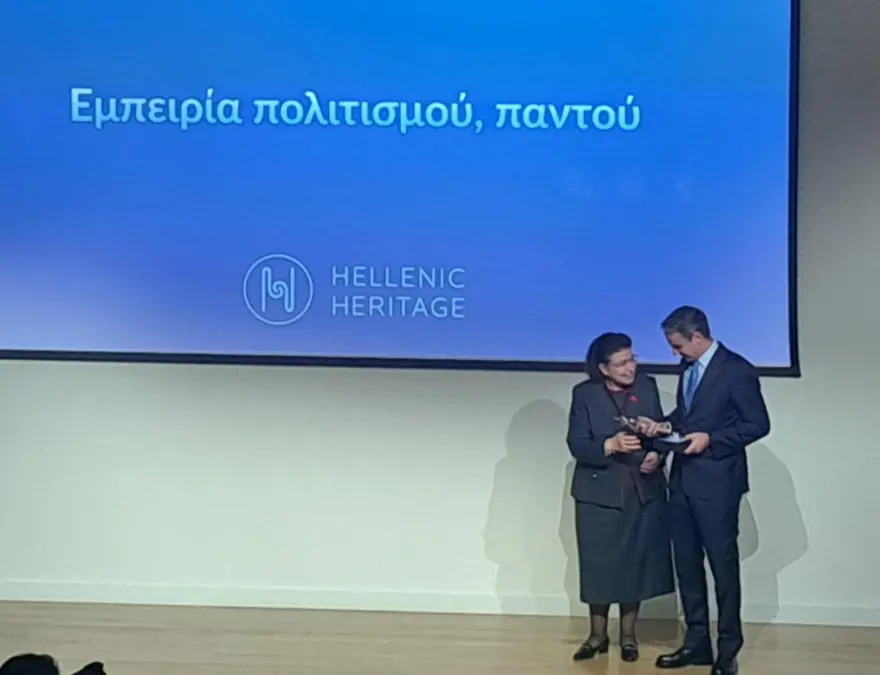
Referring to Hellenic Heritage, Lina Mendoni noted that it will operate in conjunction with the Ministry of Culture’s other platforms and that:
“It is not merely about digital upgrading, but about leveraging technology for the protection, promotion, and sustainable development of Greek cultural heritage—connecting the past with the future, with respect for our history and our strategic plan for culture as a tool of social cohesion, open, outward-looking, and accessible.”
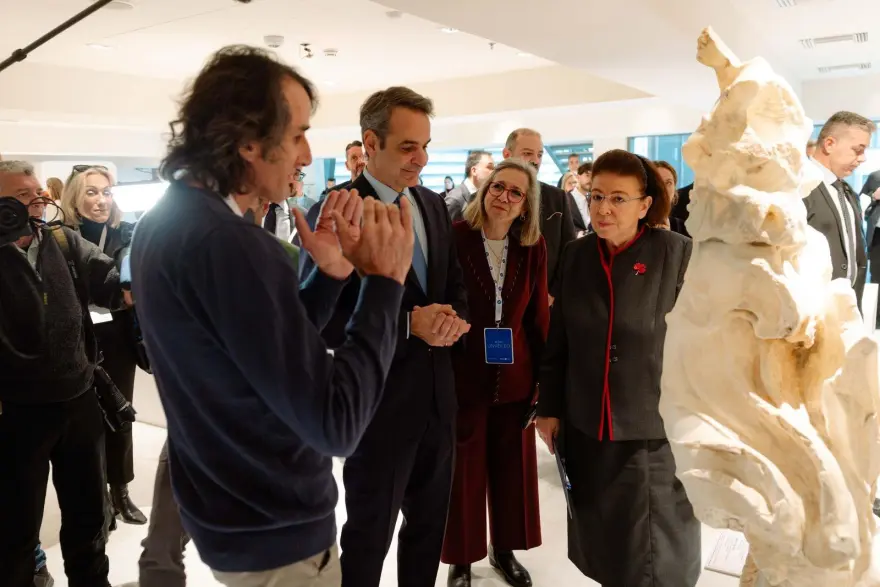
As stated by the President of ODAP, Nicoletta Divari-Valakou, the joint efforts made in recent years with the Ministry of Culture have borne fruit. She pointed out characteristically that:
“In 2019, 240,000 online tickets were issued for the Acropolis, and by 2025 they exceeded 3 million!”
She also added that:
“The goal—and a major challenge—is for monuments to become self-financing.”
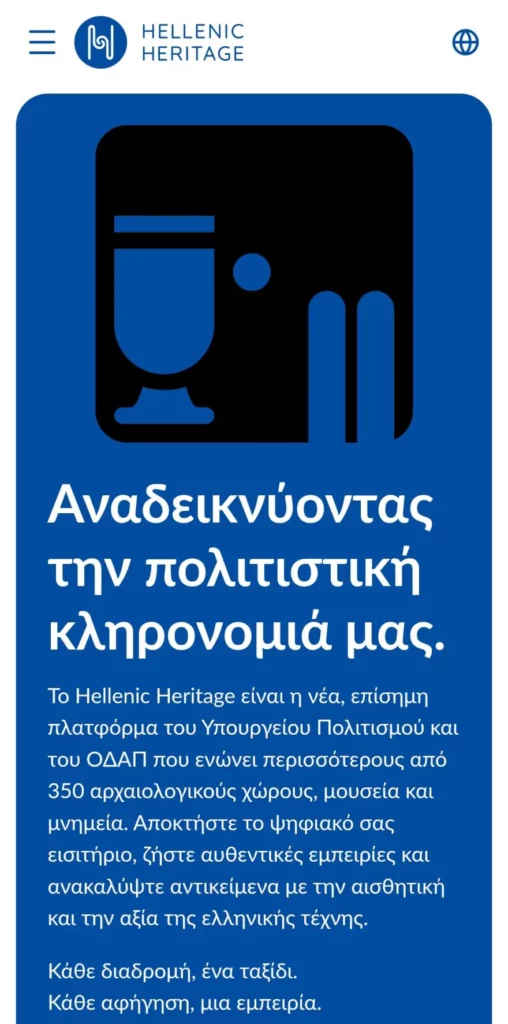
Through the Hellenic Heritage online hub, visitors can purchase electronic tickets—either single tickets for one site or combined tickets for multiple sites—book private VIP guided tours at specific archaeological sites, arrange group or school visits, find special packages aimed at tourism professionals, use well-documented visitor guides offering valuable information and engaging stories for more than 350 archaeological sites and monuments, obtain the Hellenic Heritage membership card, which offers free registration and unlimited annual access to cultural sites, and use innovative Augmented and Virtual Reality (AR/VR) applications that are being piloted at emblematic archaeological sites such as Ancient Olympia, Delos, the Ancient Agora, the Rotunda of Thessaloniki, Sounion, and the Asklepieion of Kos, among others.
Ask me anything
Explore related questions