





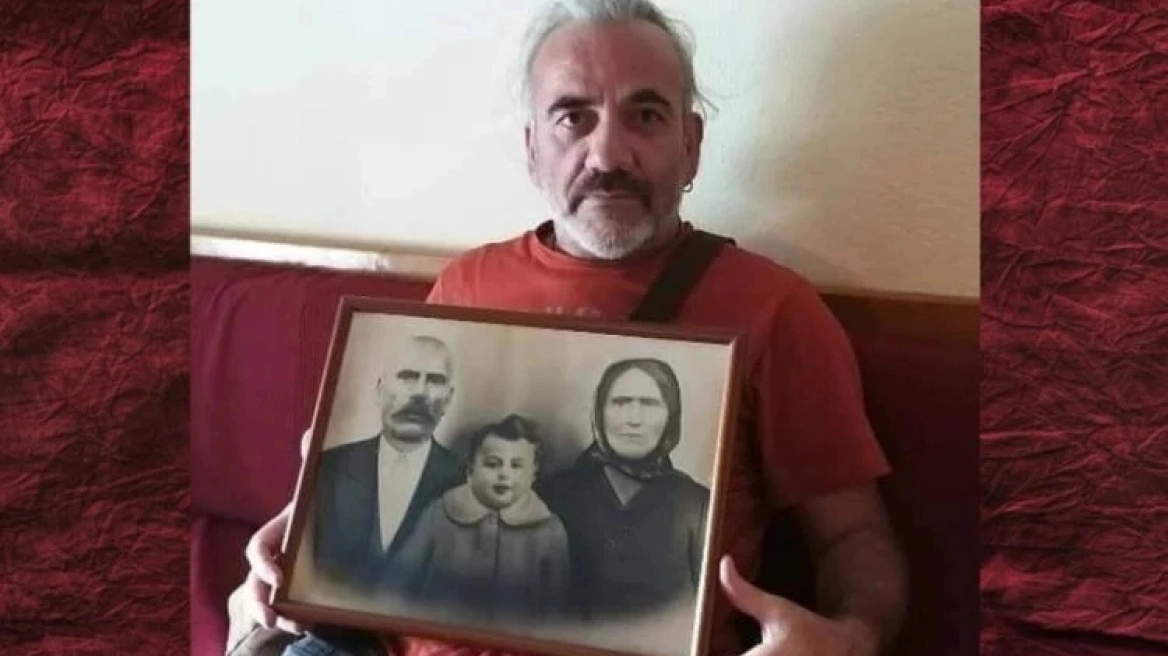
Greek authorities have rejected for the second time the international protection application of activist Yiannis-Vasilis Yailali due to allegations of war crimes.
Yailali, born in Turkey as İbrahim Yailali, denies the charges and states that his family has Pontic Greek heritage. In Turkey, there are 13 pending cases against him related to statements about the Pontic Greek Genocide and “insulting” Atatürk.
In 2019, Yailali fled to Greece, citing the risk of arrest. Following the rejection of his asylum request, he is expected to take new legal actions.
According to pontosnews.gr, the asylum request was rejected because of alleged war crime charges, which he denies.
Born in Turkey as İbrahim Yailali, the activist has said he discovered that his family is of Pontic Greek origin. In recent years, he has lived in Greece, where he converted to Orthodox Christianity, taking the name Eleftherios and adopting the surname Parcharidis.
Charges and background
According to reports, 13 cases are pending against him in Turkey, relating to public statements about the Pontic Greek Genocide, charges of “insulting” Mustafa Kemal Atatürk, and claims of involvement with the Kurdistan Workers’ Party (PKK).
Yailali denies participating in any criminal acts and maintains that the prosecutions are linked to his public advocacy for human rights and minority rights.
In earlier statements, he said he served in the Turkish army in 1994 and was injured in conflicts in southeastern Turkey. Yailali has reported human rights violations by Turkish security forces, including interrogations, psychological pressure, and torture, and faced long legal proceedings, including imprisonment. Although he was ultimately acquitted, the judicial process lasted until 2001.
In 2019, he left Turkey citing the risk of a new arrest on charges of “international espionage” and sought refuge in Greece. Supporters of Yailali have also referenced documents and DNA tests that allegedly connect his family to Greek populations in Pontus.
Family history
“I learned that my grandfather’s father was named Konstantin. Their village is in Bafra. State records also indicate that the state attacked and killed the Greek population there. Konstantin was murdered, and my grandfather, who was three at the time, was given to a Turkish family instead of being sent to a Greek orphanage,” he told Siyasi Haber in an interview.
Following the asylum rejection, the activist is expected to pursue new legal actions by filing an appeal.
Ask me anything
Explore related questions