





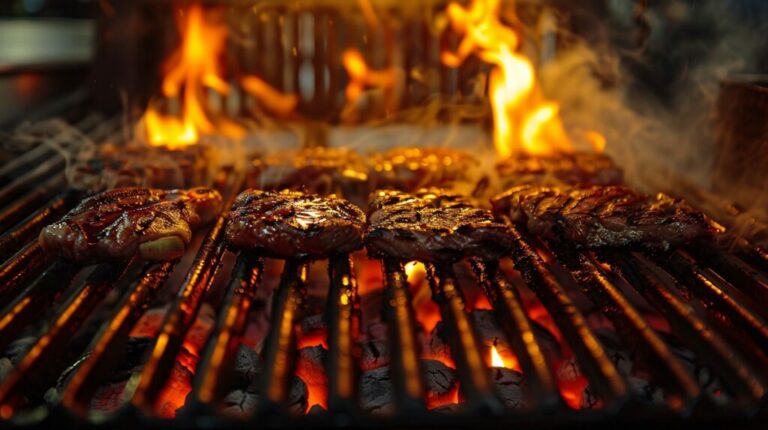
Grills all over Greece will be put to the test, so let’s look at the basic secrets for grilling lamb and pork—the main meats traditionally chosen for Tsiknopempti. After all, the “tsikna” (the smoky aroma of grilled meat) that gives the celebration its name comes from burning fat, which is found mainly in lamb chops, pork steaks and pork belly, as well as chicken chops.
Your goal with these cuts is to keep the meat juicy while reducing and caramelizing the fat so that it becomes ideally crispy and delicious in every bite. Fat begins to melt at temperatures above 50°C (122°F), meaning at relatively low heat. So if we let these cuts cook slowly over gentle embers for a sufficient amount of time, their fat will render down, and if we finish them over higher heat, it will caramelize. This technique is called reverse searing and is widely used internationally, especially for fattier cuts.
With this strategy in mind as the ideal grilling method, there are some important secrets you should apply on Tsiknopempti (and any other time you want to grill) in order to achieve the best possible result. First and foremost, start your grilling evening with a very clean grate so the meat doesn’t stick.
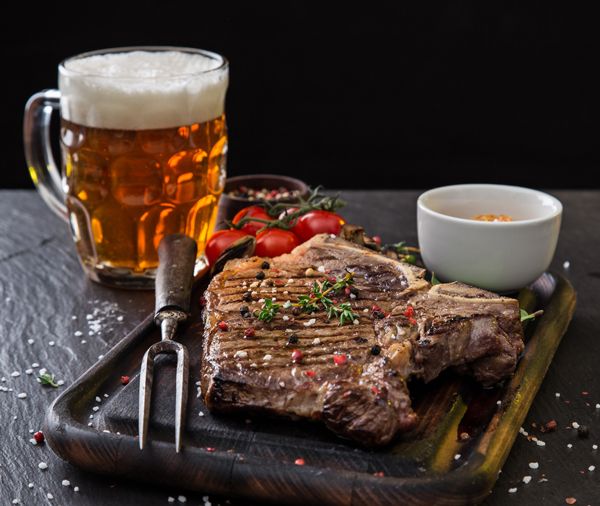
You should light the charcoal naturally, without using flammable liquids—whether alcohol, which is extremely dangerous, or lighter fluid, as its smell lingers in the embers for a long time. Instead, choose natural briquettes and use a chimney starter, which will bring the charcoal to high temperature in about 15 minutes. An excellent alternative I recommend is investing in a special charcoal lighter that works like a hair dryer, blowing pressurized air to ignite the coals. Look for both a chimney starter and a dedicated electric charcoal lighter in specialty stores, as it’s very important to light your embers properly and easily.
Once you spread the hot coals in your grill, you should allow the temperature to settle—in other words, let the embers “mature”—otherwise the grilling won’t be masterful. The goal is to move from red-hot coals with flames to coals that have turned white and are no longer producing flames. At that point, arrange them under the grate, ideally creating two heat zones: one stronger zone where the coals are packed closely together, and one milder zone where they are more spread out.
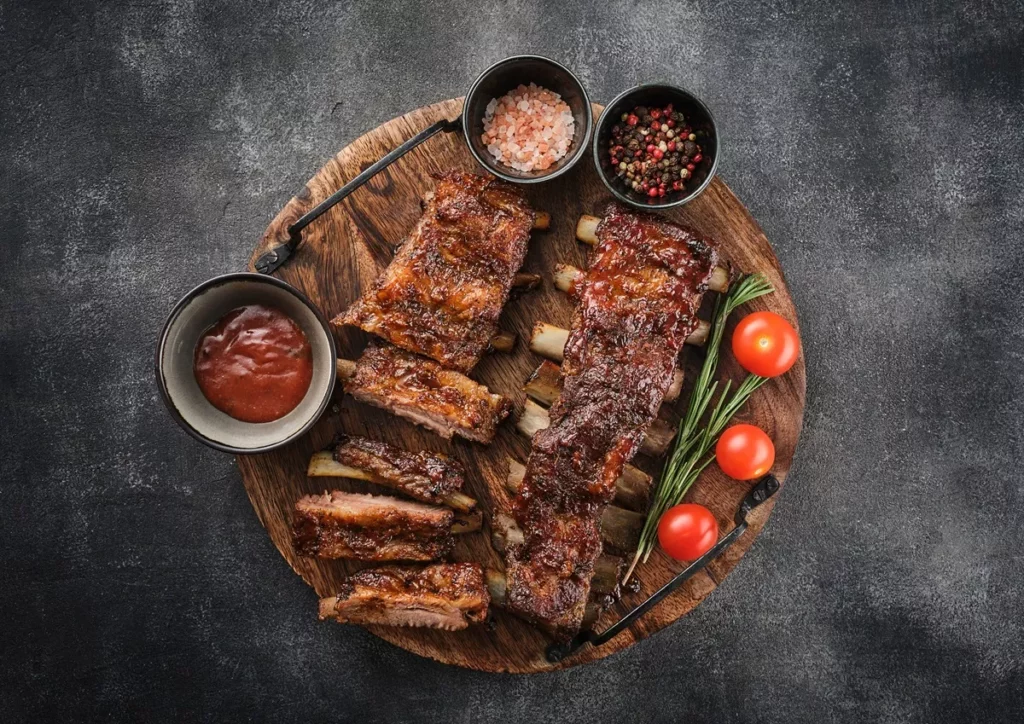
Meanwhile, you should have already seasoned your chops, steaks, and pork belly with salt and pepper, ready on a tray to be grilled. With the two-zone setup and once the grate is hot, start grilling over the lower-temperature zone so the fat melts without overcooking the meat, and finish each batch over the high-heat zone, where the fat will caramelize and the meat will develop the proper color.
How many times you flip them isn’t particularly important; the more often you do, the better control you’ll have, but there’s no need to overdo it. If flames flare up from fat dripping onto the coals, you should have a spray bottle filled with water (like the kind used for ironing) to tame the flames.
If you want to grill a lamb offal platter—containing liver, sweetbreads, and kidneys—you should follow exactly the same grilling method: most of the time in the cooler zone and only finishing in the hotter one.
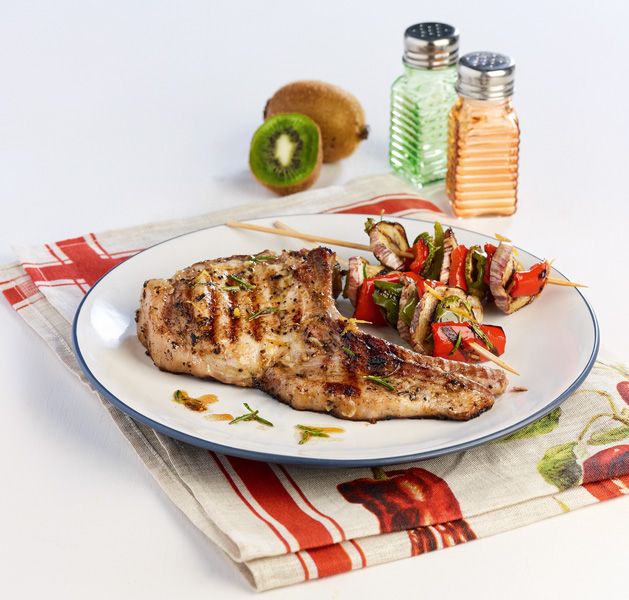
An alternative to creating hot and cool zones is adjusting the height of the grill grate relative to the embers. If that’s easier with your grill, you can start with the grate positioned 15+ centimeters above the coals and then lower it later. You’ll likely achieve a similar result.
These are the most useful technical secrets for successful grilling of fatty meats on Tsiknopempti. The greatest secret, however, for a successful Tsiknopempti is the good mood and the company that joins you at the grill. And if you decide to go out to eat instead, arm yourself with patience and show understanding—it’s realistically impossible to be served perfectly on that particular day, along with hundreds of other hungry diners.
Ask me anything
Explore related questions


