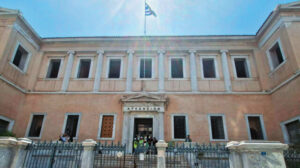
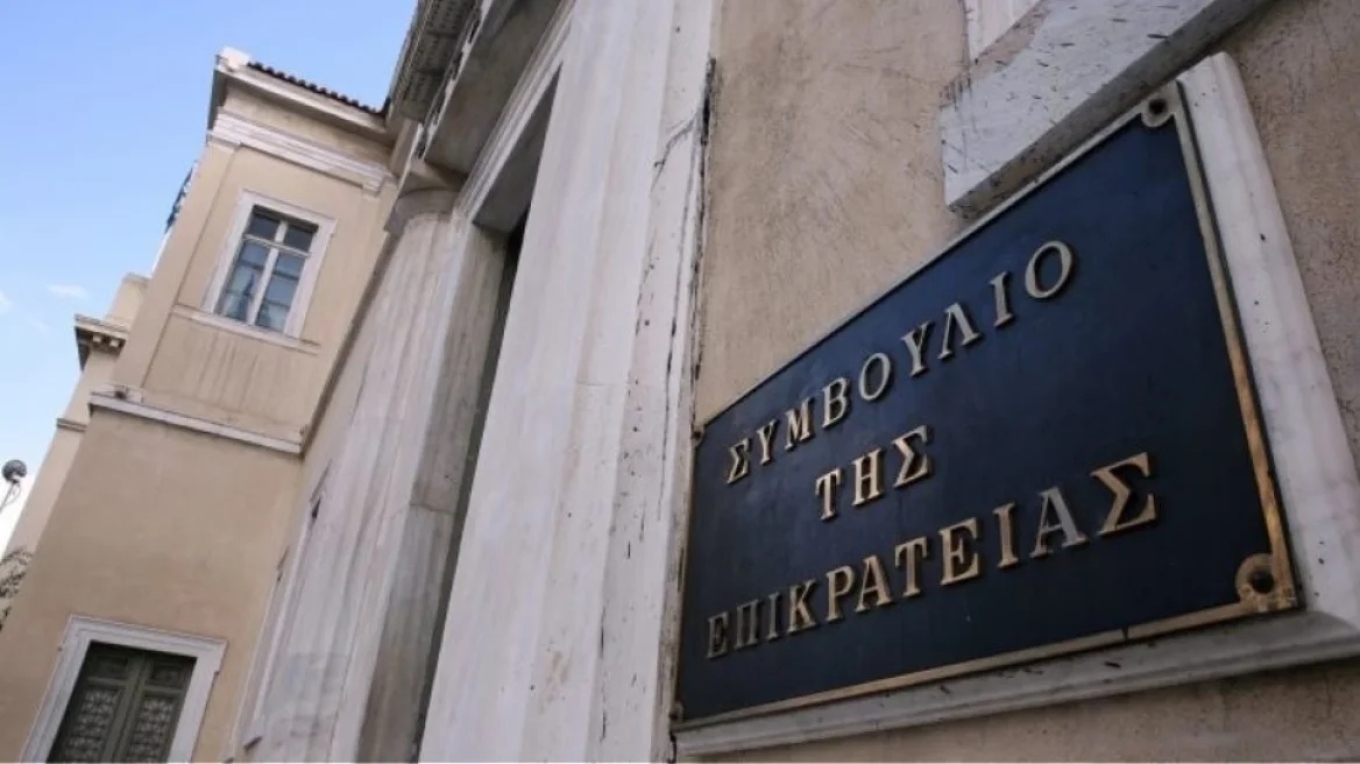
The 13th and 14th salaries will not be reinstated for civil servants, employees of the broader public sector, public law entities (NPDD), local authorities (OTA), etc., as the Plenary of the Council of State, in a closed-door deliberation, rejected the request submitted by ADEDY and a public employee (teacher) who were seeking the restoration of the three bonuses.
More specifically, a public-sector teacher—one of approximately 700,000 employees working in the public and broader public sector—had filed a lawsuit against the State.
Through his lawsuit, he sought recognition of the State’s obligation to pay him compensation corresponding to the holiday bonuses (Christmas and Easter) and the summer leave allowance for the years 2023 and 2024, due to the legislator’s failure to reinstate these benefits at the levels provided for under Law 3205/2003.
At the same time, ADEDY, representing all public servants, intervened in support of the teacher and became a party to the case heard before the Council of State.
The case was discussed before the 29-member Plenary of the Supreme Administrative Court on June 5, 2025, presided over by Michalis Pikramenos, with Justice Ioannis Michalakopoulos serving as rapporteur.
Arguments raised
During the hearing, ADEDY argued that the non-restoration of the 13th and 14th salaries violates the Constitution—particularly the principles of human dignity, equality, equality in public burdens, and proportionality—as well as provisions of European law (the EU Charter of Fundamental Rights and Directive 2022/2041/EU).
ADEDY further maintained that reinstatement is required under Directive 2022/2041/EU concerning equal treatment between private- and public-sector employees in ensuring an adequate minimum wage that guarantees a dignified standard of living. It was also argued that reinstatement is fiscally feasible given current budget surpluses and that the economic conditions of 2012—when the bonuses were abolished—no longer apply.
On the other hand, the State argued that the non-restoration of the benefits does not violate constitutional or supra-legislative provisions. Public servants, it maintained, are governed by a special legislative regime regarding remuneration due to their particular employment status (under Article 103 of the Constitution), forming a distinct category from private-sector employees.
The State further argued that the non-restoration of the 13th and 14th salaries is legitimate and fully justified, serving the general interest and falling within the framework of economic and social policy determined by the legislator based on fiscal conditions and prevailing socio-economic circumstances in Greece.
State lawyers also contended that the limits of judicial review had been exceeded and that the Court was effectively being asked to enter into the legislative domain.

What the Plenary decided
As revealed, during its deliberations the Plenary examined whether the non-restoration of the three benefits violates the Constitution, Greek legislation, or EU law—and ruled that it does not.
The justices held that the non-payment of the 13th and 14th salaries does not create adverse discrimination against public servants compared to private-sector employees, nor does it violate Directive 2022/2041/EU.
It was emphasized that public servants are subject to a special pay regime and constitute a distinct category of employees.
According to the Court, the freeze on the 13th and 14th salaries does not violate the constitutional principles of equality, proportionality, human dignity, or equality in public burdens.
The non-restoration of the three bonuses does not undermine public servants’ dignified standard of living, nor does it infringe upon their right to contribute equally with other citizens to national and social solidarity.
Fiscal impact assessment
The justices also examined the fiscal burden that reinstating the three bonuses would entail for public and broader public sector employees.
Based on financial data submitted by the State, reinstatement would result in a permanent annual fiscal cost of €1.37 billion, excluding employer contributions. Including those contributions, the total burden would rise to €1.55 billion.
Ultimately, the Court concluded that fiscal conditions are not yet mature enough to absorb such a significant economic burden.
The official publication of the Plenary decision is expected in the near future.
Ask me anything
Explore related questions