





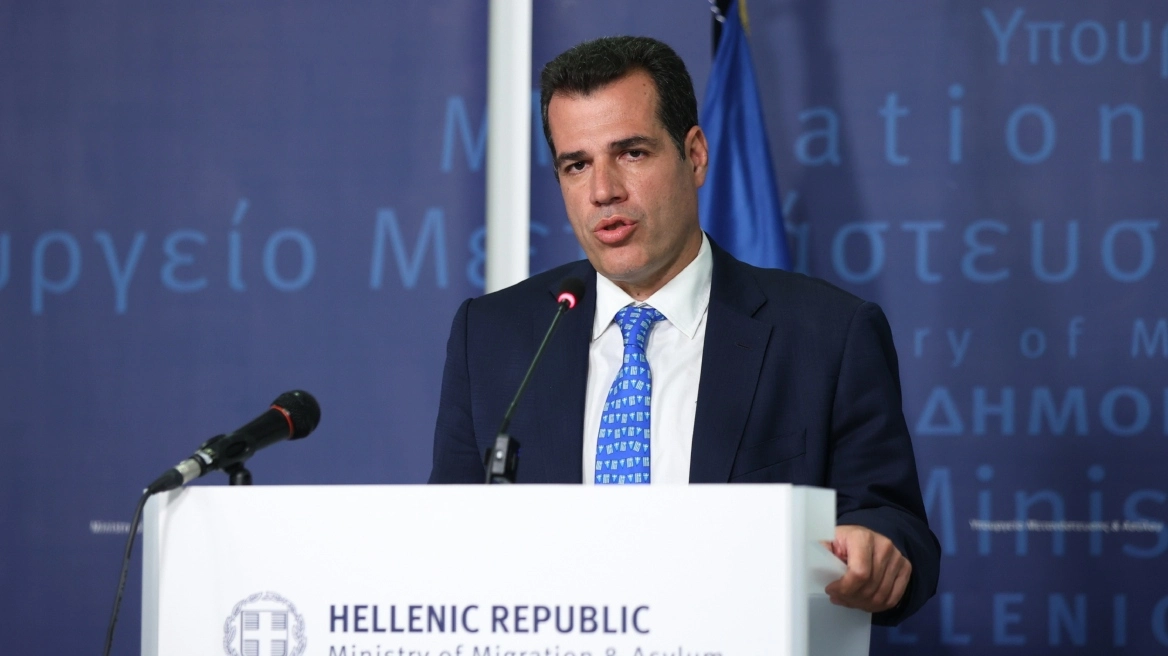
With a clear political directive for strict and full implementation of the institutional framework, the Minister of Migration and Asylum, Thanos Plevris, upon assuming office in July 2025, ordered a systematic re-examination of all international protection cases which, based on objective evidence, could potentially lead to the revocation of asylum status. This directive marked a substantial shift from a limited practical application of the relevant provisions to an active and structured use of all the tools provided by national and European law.
The results of this new approach are measurable and reflected in official data. During the period 2013–2020, only 19 international protection statuses were revoked in total. By contrast, between 2021 and 2025, revocations reached 583, while for 2026 an additional 47 cases have already been set in motion. Notably, 196 revocations were recorded in 2025 alone — a figure that far surpasses the total of the entire seven-year period from 2013 to 2020. This comparison demonstrates a radical change in both the pace and intensity of the revocation process.
Revocations are carried out strictly within the framework of existing legislation and concern cases where the individual poses a threat to national security, constitutes a danger to society following a final criminal conviction, or where there has been a substantial change in conditions in the country of origin such that the reasons for granting international protection no longer apply. Each case is examined individually, with full documentation and respect for the guarantees of the rule of law, ensuring that the process does not function as a punitive measure but rather as a mechanism for the continuous review of legality.
Indicative of the acceleration achieved is the fact that in the past two weeks alone, the process to revoke asylum has begun for 33 third-country nationals originating from countries such as Syria, Pakistan, Egypt, and Iraq. The shift from 19 revocations over seven years to 583 within five years constitutes clear evidence of institutional strengthening and effectiveness. Greece is thus ensuring both the protection of those who genuinely meet the criteria for international protection and the safeguarding of national security and social cohesion, while at the same time reinforcing the credibility and seriousness of its asylum system.
Ask me anything
Explore related questions