




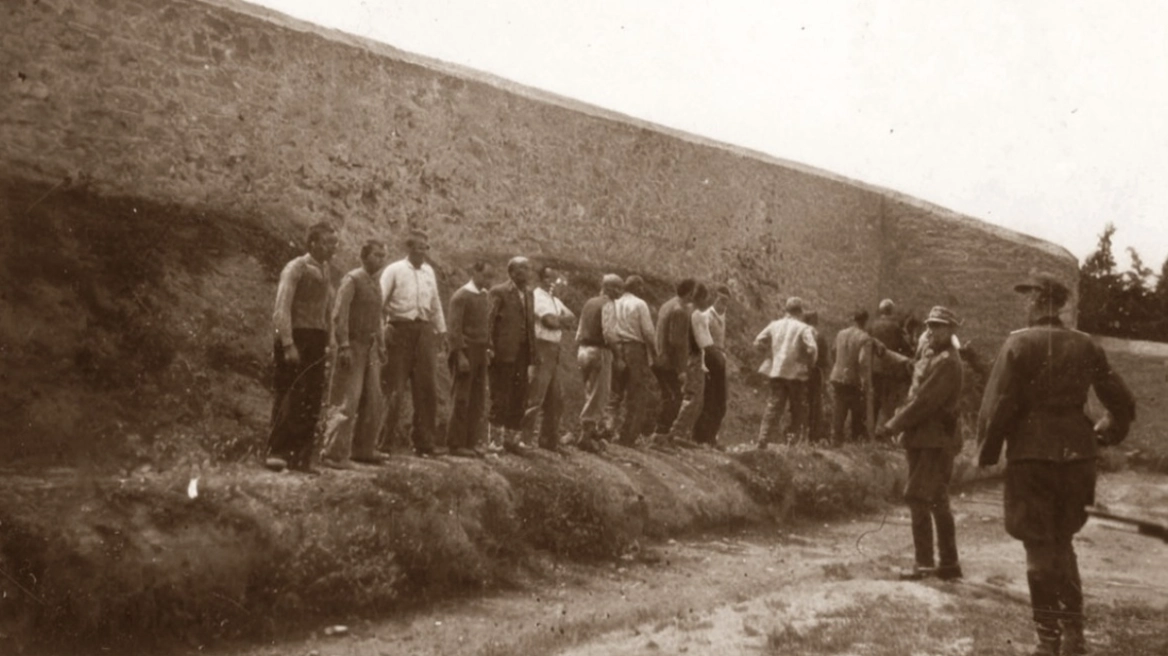
The authorization of the Conference of Presidents to verify the authenticity of the photographs depicting the 200 resistance fighters executed by the Nazis in Kaisariani is expected to be requested the day after tomorrow by the Speaker of Parliament, Nikitas Kaklamanis.
With the Belgian seller of the photographs—who ended the auction on eBay—stating that he will decide who ultimately acquires them, the key question is whether they will be classified as war evidence. If so, they must be claimed, since trading in such material is prohibited.
Meeting of Ministry of Culture experts with the holder
In the meantime, experts from the Ministry of Culture of Greece are expected to meet the holder of the photographs in Ghent, where he is based. They have already been in contact and agreed to study the historical material up close, in order to assess its authenticity, the legality of its provenance, and the value of the collection. However, pursuing a claim is not a simple matter, as there are significant legal obstacles.
Unknown whether more photographs exist
Another issue—assuming it is formally proven that the photographs are genuine—is whether additional documents from this dark chapter of the German occupation of Greece exist. The seller is known among collectors for periodically offering historical artifacts for sale.
In this case, the photographs are said to come from an album compiled by German First Lieutenant Hermann Hoyer. It remains an open question whether his heirs—who are believed to have sold the entire album to the collector—retained all the photographs he took.
In any event, because the photographs document a war crime, it is considered highly unlikely that they would even be displayed—if they have not already been destroyed.
Meanwhile, as the Ministry of Culture has already initiated procedures to acquire the photographs, as announced yesterday by government spokesperson Pavlos Marinakis, the Communist Party of Greece (KKE) is expected to submit an immediate proposal for the use of these documents. The party has stated that “it is the responsibility of the state for these documents to be acquired and returned to where they belong—to the Museum of the EAM National Resistance of the Municipality of Kaisariani, to the Municipality of Haidari, and to the KKE—so that they are accessible to the people and the youth as a source of historical knowledge and inspiration for today and tomorrow.”
At the same time, tomorrow the Central Council of Modern Monuments will examine the issue of designating the photographic evidence as monuments—a designation deemed necessary for the Greek state to pursue a claim to the photographic collection.
Ask me anything
Explore related questions