
×
GreekEnglish

×
  • Politics
  • Diaspora
  • World
  • Lifestyle
  • Travel
  • Culture
  • Sports
  • Cooking
Sunday
18
Jan 2026
weather symbol
Athens 6°C
  • Home
  • Politics
  • Economy
  • World
  • Diaspora
  • Lifestyle
  • Travel
  • Culture
  • Sports
  • Mediterranean Cooking
  • Weather
Contact follow Protothema:
Powered by Cloudevo
> World

Forgotten Genocide: How a Quarter of Europe’s Roma were murdered by the Nazis, then erased from History

Documents that have surfaced in an exhibition in London show how the world turned its back on half a million Roma victims of Hitler’s Holocaust

Newsroom November 18 01:23

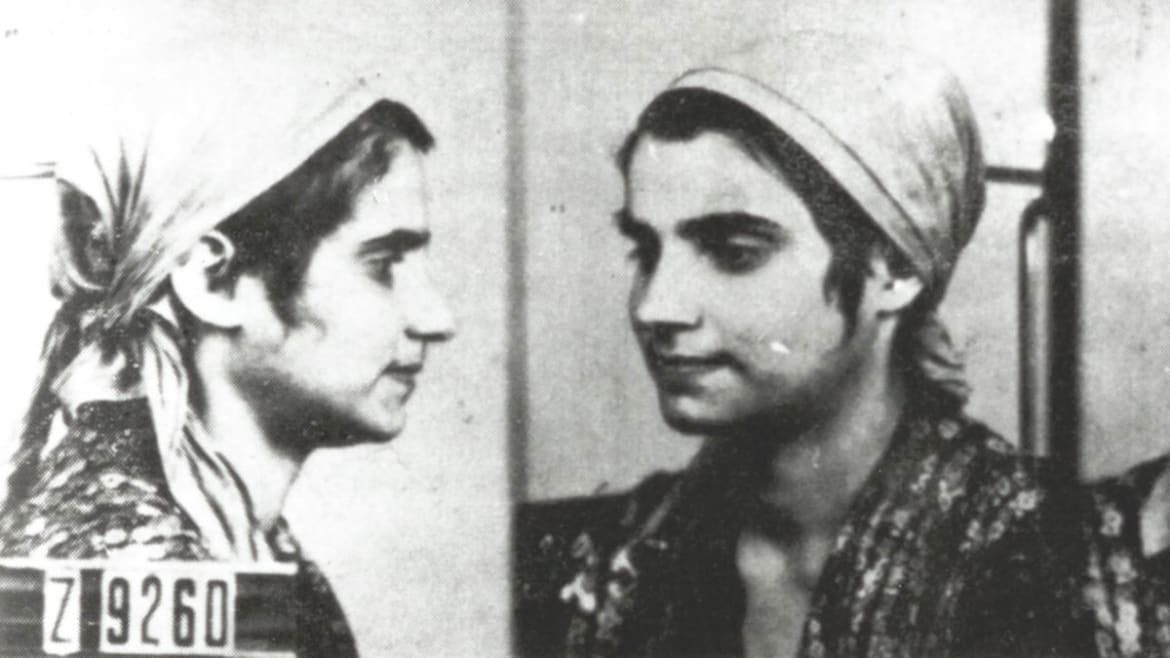
It’s impossible to fathom the scale of the depravity. An eyewitness account by a Holocaust survivor—unearthed for a new exhibition in London—describes the conditions in the “gypsy” section of Auschwitz as even more inhumane than the rest of the appalling facility.

“The conditions were worse than in the other camps,” wrote eyewitness Hermann Langbein in 1945. “The route between the huts was ankle deep in mud and dirt. The gypsies were still wearing the clothes that they had been given upon arrival… footwear was missing… The latrines were built in such a way that they were practically unusable for the gypsy children. The infirmary was a pathetic sight.”

The report by Langbein, also a survivor of the Spanish Civil War, is just one of the sickening contemporary accounts highlighted in the exhibition Forgotten Victims: The Nazi Genocide of the Roma and Sinti at London’s Wiener Holocaust Library (to March 11, 2020).

Over 90 percent of the Roma held at Auschwitz did not survive the war.

>Related articles

Trump threatens tariffs against those who oppose U.S. plans for Greenland

CIA chief in Venezuela meets with Rodriguez

Ballistic missile strike hits pier in Ukraine

In total, it is estimated that up to half a million Roma and Sinti, the name taken by the nomadic people based in Germany, died during the Holocaust. Accurate estimates are impossible but that may have been a quarter of Europe’s Roma and Sinti population.

The plight of these people, commonly known as gypsies at the time, was overshadowed by the scale of the genocide perpetrated against Europe’s Jewish community, but the Romani suffering was not simply eclipsed; it was systematically erased in the post-war period.

Read more: the daily beast

Ask me anything

Explore related questions
#Auschwitz#concentration camp#history#hitler#Holocaust#nazis#Roma#world#WWII
> More World

Follow en.protothema.gr on Google News and be the first to know all the news

See all the latest News from Greece and the World, the moment they happen, at en.protothema.gr

> Latest Stories

Erfan Soltani confirmed alive by Iranian Human Rights Group after days of uncertainty

January 18, 2026

Rescue operation underway for eight hikers on Mount Taygetus; four injured

January 18, 2026

Piers Morgan recovering in hospital after serious fall in London

January 18, 2026

Prime Minister Mitsotakis’ agenda: From talks with farmers’ representatives to Davos for investment outreach

January 18, 2026

Iraq veterans report long-term health concerns after a lack of medical screening for toxic exposure

January 18, 2026

Skirtsos: ‘After years of efforts, the first results on maritime safety are starting to become visible’

January 18, 2026

Politico: Europe for the first time considers tough response to Trump on Greenland tariffs, what is the Anti-Brexit Act

January 18, 2026

The backstory behind Trump’s decision not to attack Iran: The camps in the White House, the SMS from Tehran, and the calls from Arab allies

January 18, 2026
All News

> Culture

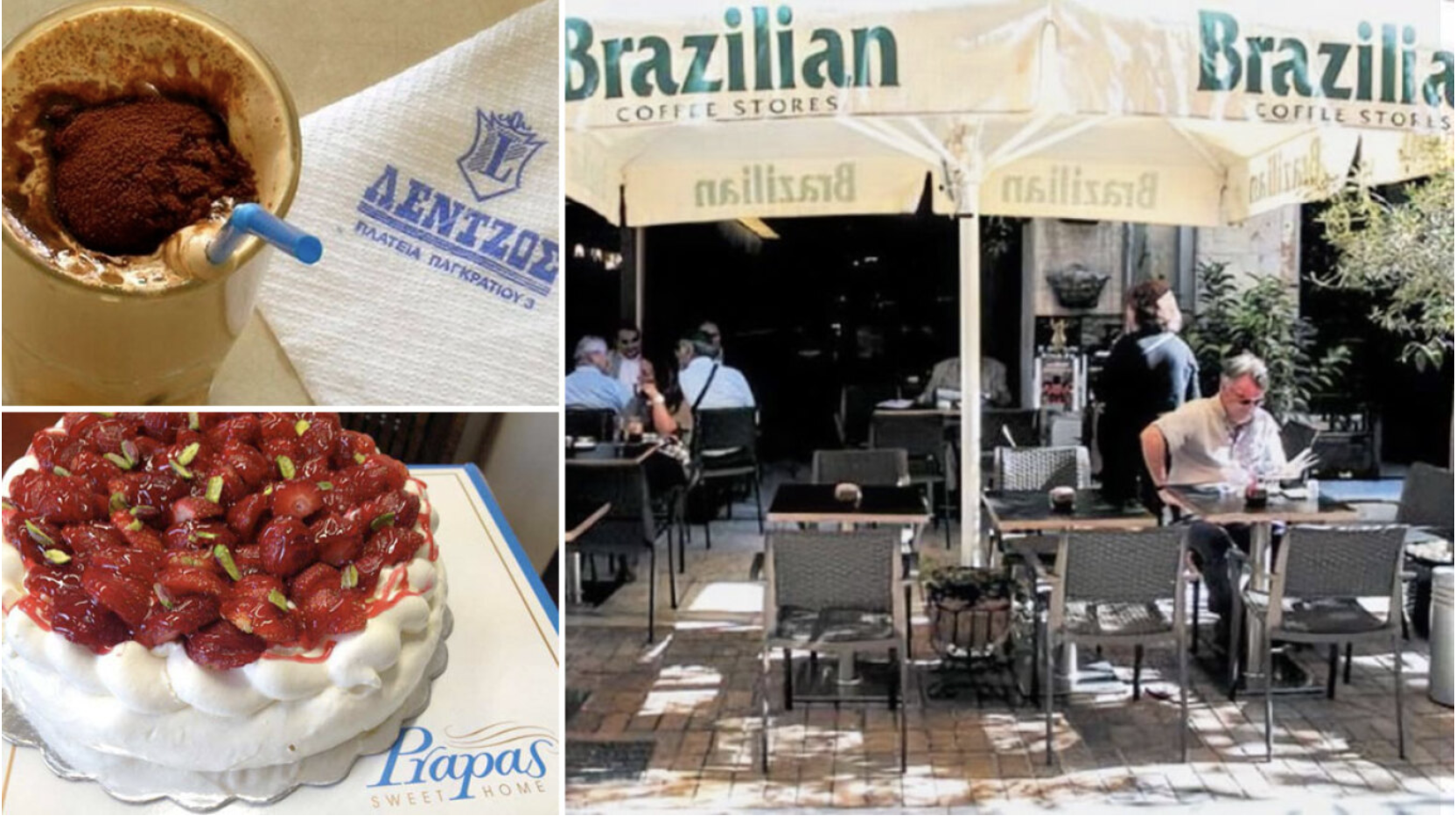
The historic cafes of Athens: 12 legendary hangouts lost to time

The café-patisseries that set the rhythm of cosmopolitan Athens – “Flokas,” “Papaspirou,” “Sonia,” “Alaska,” “Lentzos,” “Floral,” “Blue Bell,” “Prapas,” “Pachos,” “Galaxy,” “Caprice,” “Centaur” were the most popular meeting points where modern Greek history was written, became songs and books, and left their mark with their famous culinary creations

January 16, 2026

Actress Melpo Zarokosta dies at 93

January 16, 2026

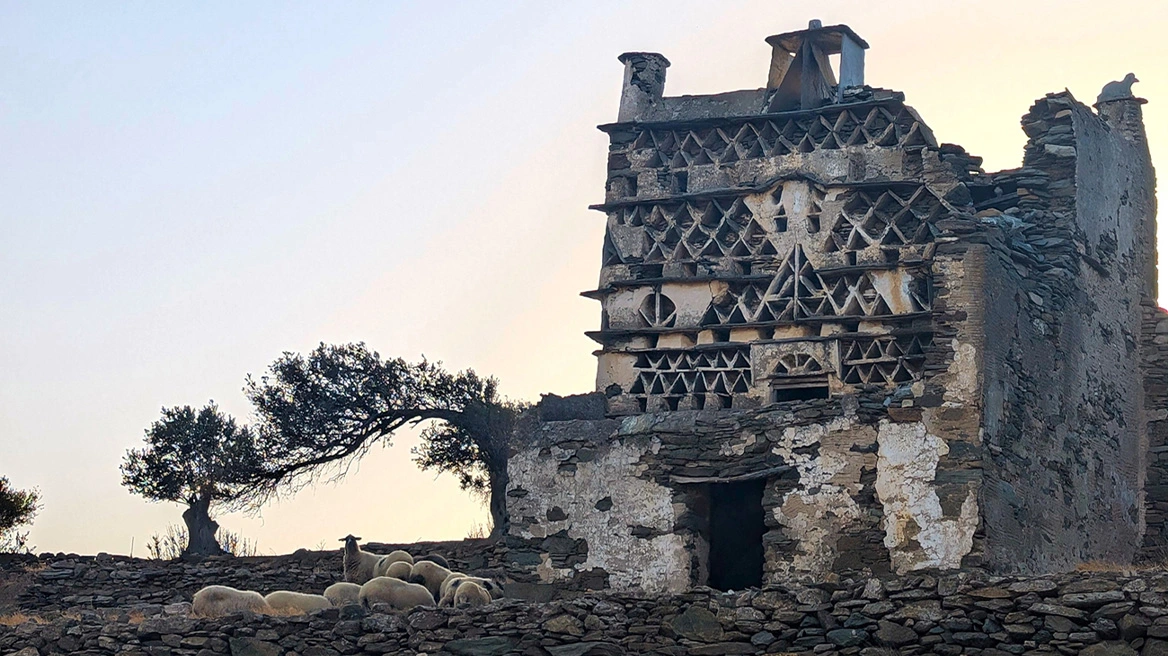
Cycladic Identity Initiative launches fourth funding phase to preserve the Cultural and Natural Heritage of the Cyclades

January 16, 2026

Grief in Crete for the loss of Yannis Xylouris

January 15, 2026

“A Picasso for 100 euros” — Christie’s for a million-euro painting

January 15, 2026
Homepage
PERSONAL DATA PROTECTION POLICY COOKIES POLICY TERM OF USE
Powered by Cloudevo
Copyright © 2026 Πρώτο Θέμα