×
GreekEnglish

×
  • Politics
  • Diaspora
  • World
  • Lifestyle
  • Travel
  • Culture
  • Sports
  • Cooking
Monday
19
Jan 2026
weather symbol
Athens 5°C
  • Home
  • Politics
  • Economy
  • World
  • Diaspora
  • Lifestyle
  • Travel
  • Culture
  • Sports
  • Mediterranean Cooking
  • Weather
Contact follow Protothema:
Powered by Cloudevo
> World

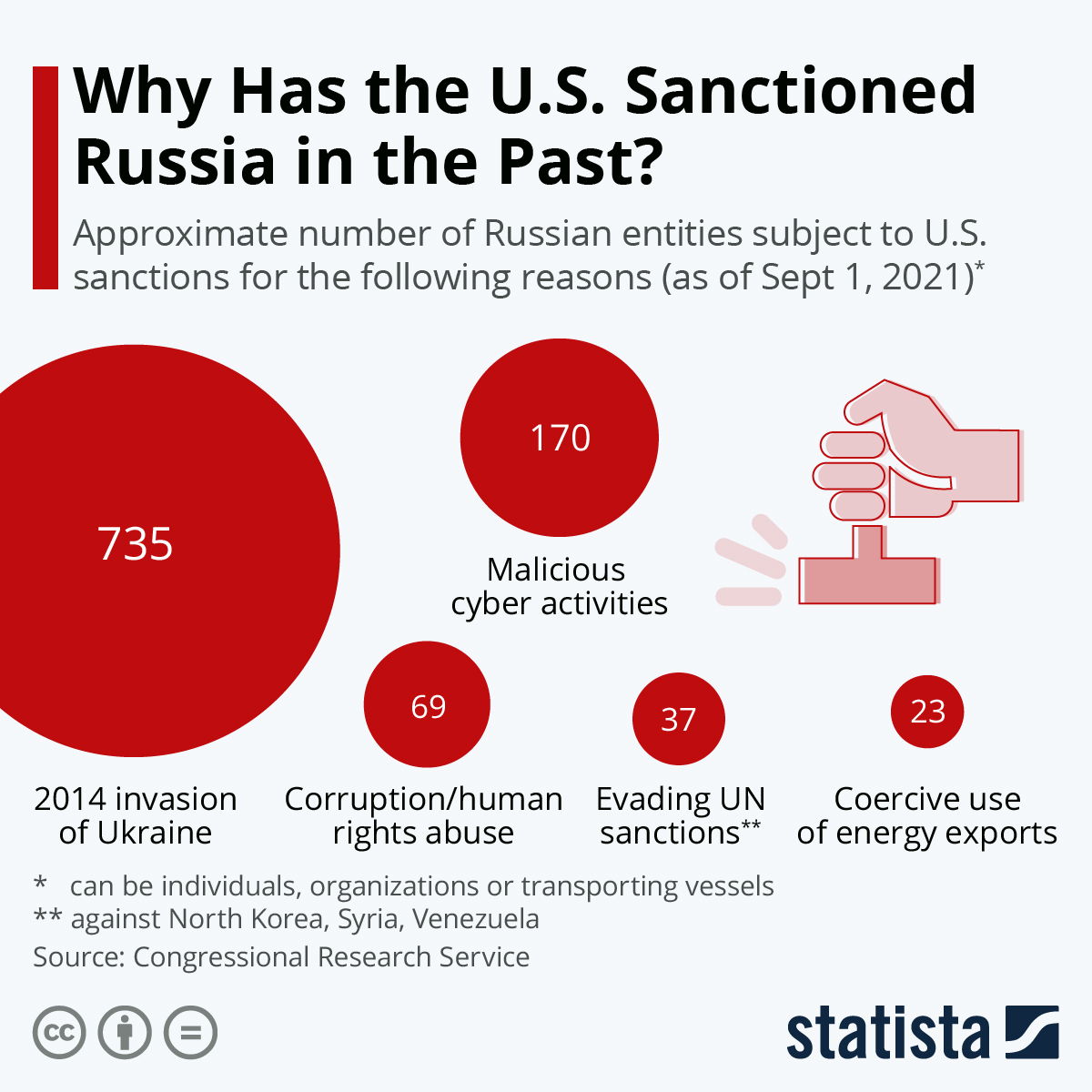
Why Has the U.S. Sanctioned Russia in the Past? (infographic)

The 2014 invasion of Ukraine and seizure of the Crimean Peninsula is the top reason why the U.S. has sanctioned Russian individuals

Newsroom February 23 10:56

After Russian President Vladimir Putin announced Monday that his country now regards the two long-embattled Ukrainian regions Donetsk and Luhansk as independent states and that he would station Russian troops there, the U.S. and Western allies are preparing new sanctions against Russia that are expected to be wide-ranging. While Russia has long supported separatists in the two regions to create breakaway states, the international community regards the move as an offense against Ukraine’s territorial integrity guaranteed under international law.

Looking at current U.S. sanctions against Russia as of September, the 2014 invasion of Ukraine and seizure of the Crimean Peninsula is the top reason why the U.S. has sanctioned Russian individuals, organizations or transportation vessels. Around 735 Russian entities are currently sanctioned in connection with the occupation of Crimea and Russian activities in Donetsk and Luhansk, where Russian military involvement also intensified after 2014.

Malicious cyber activities and influence operations are the reason the U.S. imposed sanctions against approximately 170 Russian entities. The activities include cyberattacks for financial gain or on behalf of the Russian government, for U.S. election interference and for undermining other democratic institutions.

Human rights abuse and corruption are a less common reason for sanctions. These initially were levied against those exposed for corruption by Russian lawyer Sergei Magnitsky in 2008 and thought to be responsible for this subsequent death, but have since been extended towards other human rights violators. An unspecified number of Russian entities are also sanctioned in connection with the use of chemical weapons in the poisonings of former Russian intelligence officer Sergei Skripal and others in 2018 and opposition politician Alexei Navalny in 2020. The sanctions under the U.S. Chemical and Biological Weapons Control and Warfare Elimination Act of 1991 extend to individuals and Russian government entities.

Furthermore, around 30 Russian entities – among them banks, oil traders, the state-owned arms exporter Rosoboronexport and subsidiaries of state-owned oil company Rosnef – have been sanctioned for disregarding UN sanctions against North Korea, Syria and Venezuela. Another 23 – mostly vessels – are subject to sanctions because of their involvement in the building of the Nord Stream 2 gas pipeline from Russia to Germany. The project will not become operational as its approval process has been abandoned, the German government said Tuesday.

>Related articles

Zelensky: If an agreement is reached, we are ready to sign even next week

Bloomberg: Trump’s son-in-law and Steve Whitcoff plan to meet with Putin in Moscow

What lies behind Russia’s offensive tactics against Patriarch Bartholomew

While sanctions against organizations and vessels apply to their ability to do trade or sign business or government contracts with the U.S., sanctions against individuals can include the freezing of foreign assets or bans from travel to the United States.
Infographic: Why Has the U.S. Sanctioned Russia in the Past? | Statista

You will find more infographics at Statista

Ask me anything

Explore related questions
#conflict#economic warfare#russia#ukraine#US sanctions#war
> More World

Follow en.protothema.gr on Google News and be the first to know all the news

See all the latest News from Greece and the World, the moment they happen, at en.protothema.gr

> Latest Stories

Erfan Soltani confirmed alive by Iranian Human Rights Group after days of uncertainty

January 18, 2026

Rescue operation underway for eight hikers on Mount Taygetus; four injured

January 18, 2026

Piers Morgan recovering in hospital after serious fall in London

January 18, 2026

Prime Minister Mitsotakis’ agenda: From talks with farmers’ representatives to Davos for investment outreach

January 18, 2026

Iraq veterans report long-term health concerns after a lack of medical screening for toxic exposure

January 18, 2026

Skirtsos: ‘After years of efforts, the first results on maritime safety are starting to become visible’

January 18, 2026

Politico: Europe for the first time considers tough response to Trump on Greenland tariffs, what is the Anti-Brexit Act

January 18, 2026

The backstory behind Trump’s decision not to attack Iran: The camps in the White House, the SMS from Tehran, and the calls from Arab allies

January 18, 2026
All News

> Culture

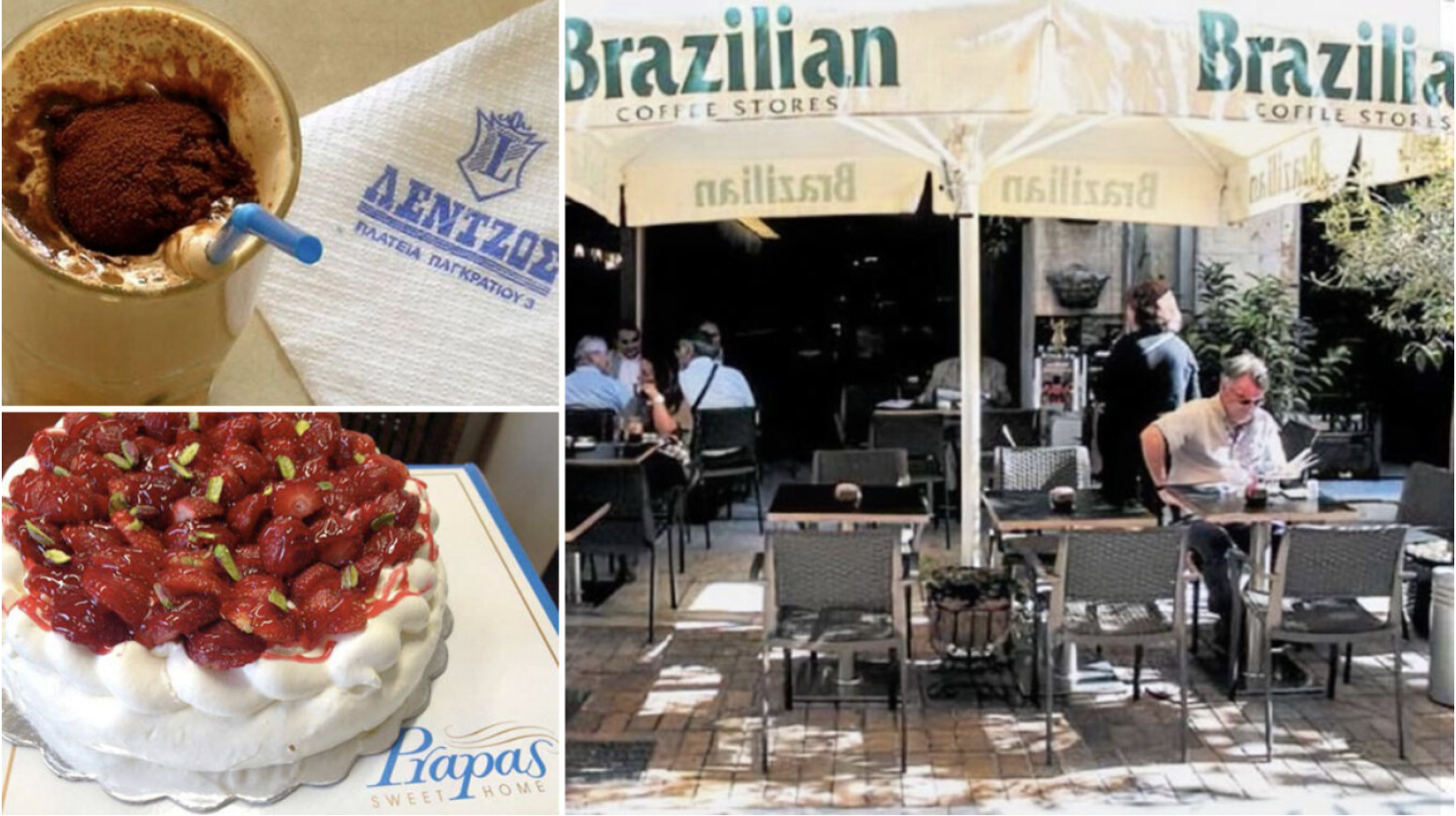
The historic cafes of Athens: 12 legendary hangouts lost to time

The café-patisseries that set the rhythm of cosmopolitan Athens – “Flokas,” “Papaspirou,” “Sonia,” “Alaska,” “Lentzos,” “Floral,” “Blue Bell,” “Prapas,” “Pachos,” “Galaxy,” “Caprice,” “Centaur” were the most popular meeting points where modern Greek history was written, became songs and books, and left their mark with their famous culinary creations

January 16, 2026

Actress Melpo Zarokosta dies at 93

January 16, 2026

Cycladic Identity Initiative launches fourth funding phase to preserve the Cultural and Natural Heritage of the Cyclades

January 16, 2026

Grief in Crete for the loss of Yannis Xylouris

January 15, 2026

“A Picasso for 100 euros” — Christie’s for a million-euro painting

January 15, 2026
Homepage
PERSONAL DATA PROTECTION POLICY COOKIES POLICY TERM OF USE
Powered by Cloudevo
Copyright © 2026 Πρώτο Θέμα