

×
GreekEnglish

×
  • Politics
  • Diaspora
  • World
  • Lifestyle
  • Travel
  • Culture
  • Sports
  • Cooking
Friday
16
Jan 2026
weather symbol
Athens 14°C
  • Home
  • Politics
  • Economy
  • World
  • Diaspora
  • Lifestyle
  • Travel
  • Culture
  • Sports
  • Mediterranean Cooking
  • Weather
Contact follow Protothema:
Powered by Cloudevo
> Culture

Reconstruction Shows Teen Who Died in Norway 8,300 Years Ago

His skull bones had fused too early, forcing his head to grow into an unusual shape

Newsroom February 17 12:45

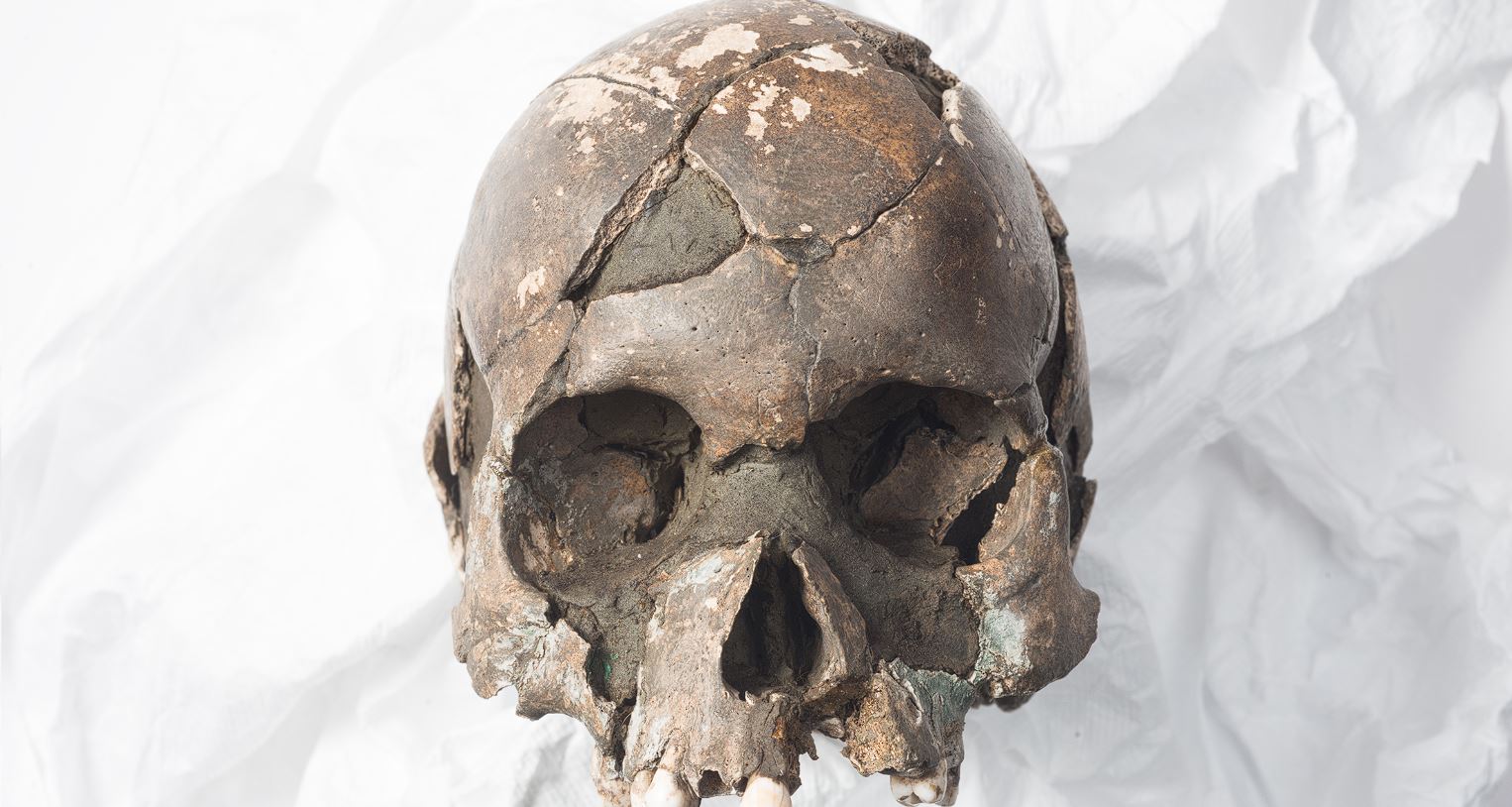
Live Science reports that the face of a boy who died some 8,300 years ago has been reconstructed with computed tomography scans of remains discovered near the southwestern coast of Norway in 1907. Analysis of the remains indicates that the well-fed, healthy boy was about 15 years old at the time of death, and stood a little over four feet tall.

His skull bones had fused too early, forcing his head to grow into an unusual shape. Osteologist Sean Dexter Denham of the University of Stavanger’s Museum of Archaeology said that the condition of the boy’s skull, known as scaphocephaly, is not associated with any developmental problems or intellectual disabilities, however.

also read

Large explosion rocks Athens suburb (video-photos)

Pakistan gets space-flown seeds from China’s Shenzhou 14 mission

>Related articles

Erich von Däniken, Swiss bestselling author who linked ancient civilizations to extraterrestrials, dies at 90

Crete, Pompeii & Stonehenge: The most important archaeological discoveries of 2025 that overturn what we knew

7,000-year-old wall found at the bottom of Brittany may explain the myth of the lost city

DNA analysis of the remains suggests he had brown eyes, dark hair, and an intermediate skin tone added forensic artist Oscar Nilsson. Decorated bone pendants; hooks, harpoons, and barbed stone tools for fishing; and animal remains were also uncovered in the cave where the remains were found.

source archaeology.org

Image credit: The preserved skull of Vistegutten, Norwegian for “the boy from Viste.” (Image credit: © Terje Tveit/The Museum of Archaeology, University of Stavanger)

Ask me anything

Explore related questions

#archaeology#Norway#scandinavia
> More Culture

Follow en.protothema.gr on Google News and be the first to know all the news

See all the latest News from Greece and the World, the moment they happen, at en.protothema.gr

> Latest Stories

X is down, thousands report problems

January 16, 2026

“Her father cut her hair because she asked to go to a hair salon, they never gave her money”: New testimonies about Laura

January 16, 2026

Rama persists after rant at Greek journalist and questions the link between “Greek speakers” and Plato and Aristotle

January 16, 2026

CIA chief in Venezuela meets with Rodriguez

January 16, 2026

Less alcohol and lower speeds with the new Highway Code and strict fines

January 16, 2026

The historic cafes of Athens: 12 legendary hangouts lost to time

January 16, 2026

Why seasonal flu is so “aggressive” this year: An infectious disease specialist from “Sotiria” explains the two main causes

January 16, 2026

Mitsotakis attends the inauguration of the renovated Emergency Department at Red Cross Hospital

January 16, 2026
All News

> Lifestyle

A treat for readers: Dior, bags, and literature

The fashion house Dior starts 2026 with a dreamy new campaign

January 16, 2026

Sophie Turner’s first photo as Lara Croft released for Tomb Raider series

January 15, 2026

Vicky Chatzivasileiou: “I never gave up anything for television — It’s not my whole life”

January 15, 2026

Nikki Glaser reveals jokes cut from her Golden Globes hosting set

January 15, 2026

Next-level skylines: The towers transforming cities in 2026

January 13, 2026
Homepage
PERSONAL DATA PROTECTION POLICY COOKIES POLICY TERM OF USE
Powered by Cloudevo
Copyright © 2026 Πρώτο Θέμα