
×
GreekEnglish

×
  • Politics
  • Diaspora
  • World
  • Lifestyle
  • Travel
  • Culture
  • Sports
  • Cooking
Wednesday
14
Jan 2026
weather symbol
Athens 11°C
  • Home
  • Politics
  • Economy
  • World
  • Diaspora
  • Lifestyle
  • Travel
  • Culture
  • Sports
  • Mediterranean Cooking
  • Weather
Contact follow Protothema:
Powered by Cloudevo
> Culture

Amphipolis: Secrets in the horse’s eye (photos)

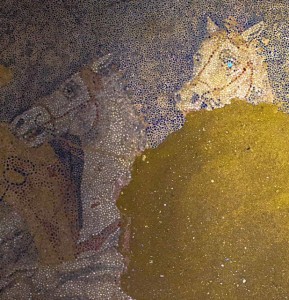
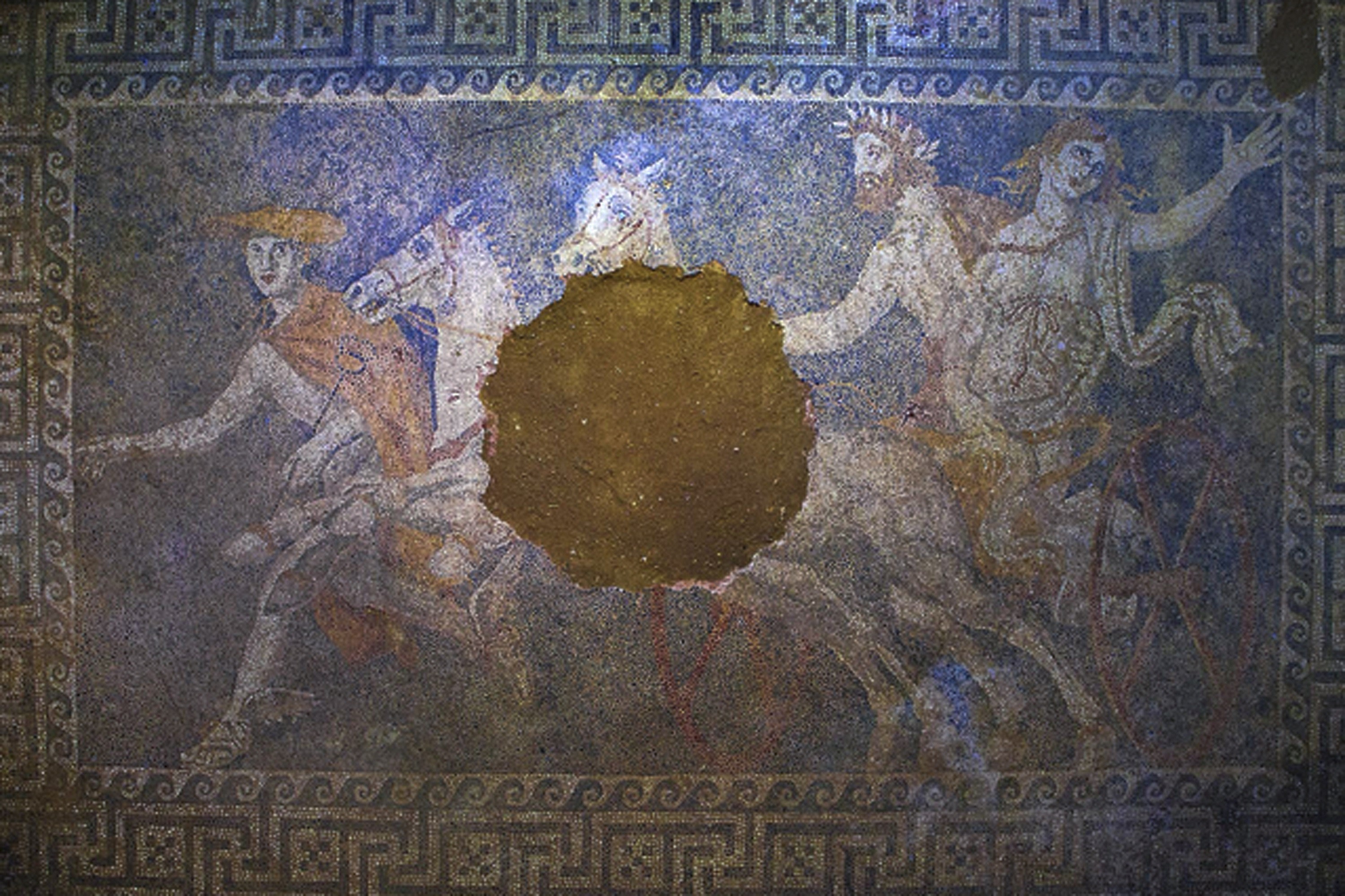
The eye of one of the horses in the mosaic depicting the abduction of Persephone could be a link between Amphipolis and Afghanistan

Newsroom November 21 08:11

The mosaic uncovered in the third chamber of the ancient tomb at Amphipolis was under scrutiny as soon as it was uncovered in the hope that clues would be found about the identity of the occupant of the tomb. Attention was particularly cast on the horse’s azure blue eye with a portion of amphipolis enthusiasts claiming that it was so vibrant and striking that it may have been meant to depict Alexander the Great’s horse, Bucephalus.
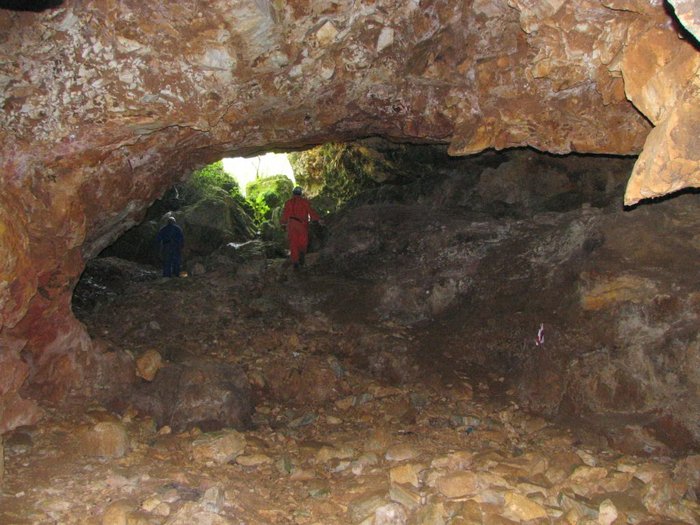
Alistrati Cave

Alistrati Cave

The azure-blue color may have been created from azurite, a popular mineral due to its beautiful color. Azurite was abundant in the mines of Alistrati. Powedered azurite, called “cyanus” by Pliny the Elder, was popular with Hellenistic era artist.
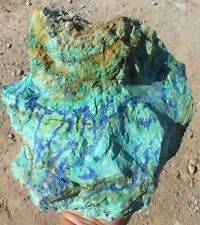
Rough Azurite specimen

Rough Azurite specimen

Dr. Petros Tzeferis, head of the Ministry of Environment, Energy and Climate Change department for Minerals and Raw Materials Policy, says that the mosaic pieces used to create the horse’s eye could also be lazurite – a deep greenish blue mineral with sulfate, sulfur and chloride. Lazurite crystallizes although well-formed crystals are rare. It forms the bulk of the gemstone lapis lazuli.
>Related articles

Amphipolis: The polychromy of the Kasta Tumulus comes back to life with the help of research and technology – When it will open to the public

Kasta Tomb: How Amphipolis will be transformed into a Museum and what it will include

Kasta Tomb: Unique masterpieces found during the excavations – The beautiful women of Amphipolis (photos)

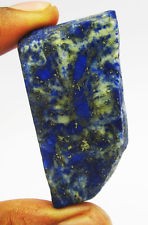
Lapis Lazuli

Lapis Lazuli

Lazurite has been mined for over 6,000 years in the lapis lazuli district of Badakhshan, Afghanistan, and had been used as a pigment in painting and cloth dyeing. Dr. Tzeferis says that lapis lazuli originated in Afghanistan, went to Egypt and then was brought to Greece.
Greece Ancient Tomb

Ask me anything

Explore related questions

#amphipolis
> More Culture

Follow en.protothema.gr on Google News and be the first to know all the news

See all the latest News from Greece and the World, the moment they happen, at en.protothema.gr

> Latest Stories

Countdown to a U.S. strike on Iran: Americans and Britons evacuate bases, direct assassination threat against Trump from Tehran – Live

January 14, 2026

Direct assassination threat against Trump from Iran: “This time the bullet will not miss the target”

January 14, 2026

32 dead after a crane falls on a passenger train in Thailand

January 14, 2026

Meeting between Mitsotakis and the “agro-leaders” of the blockades set for Friday

January 14, 2026

Pierrakakis: We will achieve even more through collective effort

January 14, 2026

“All cash”: Netflix is preparing a strategic move to accelerate its $83 billion deal with Warner Bros.

January 14, 2026

Bloomberg: Trump’s son-in-law and Steve Whitcoff plan to meet with Putin in Moscow

January 14, 2026

Taxi strike to continue on Thursday, convoy planned toward the Maximos Mansion

January 14, 2026
All News

> Greece

Meeting between Mitsotakis and the “agro-leaders” of the blockades set for Friday

Earlier, farmers who held an assembly in Palamas, Karditsa said “yes” to a meeting with the prime minister with roads kept open and decided not to hold a rally in Athens

January 14, 2026

Taxi strike to continue on Thursday, convoy planned toward the Maximos Mansion

January 14, 2026

Armed robbery in Thessaloniki with gunfire at a pawn shop

January 14, 2026

The frigate “Kimon” en route to the Salamis Naval Base – Watch the video

January 14, 2026

Meteo: Forecasts point to a warm February in Greece, with temperatures up to +1.2°C above average

January 14, 2026
Homepage
PERSONAL DATA PROTECTION POLICY COOKIES POLICY TERM OF USE
Powered by Cloudevo
Copyright © 2026 Πρώτο Θέμα