





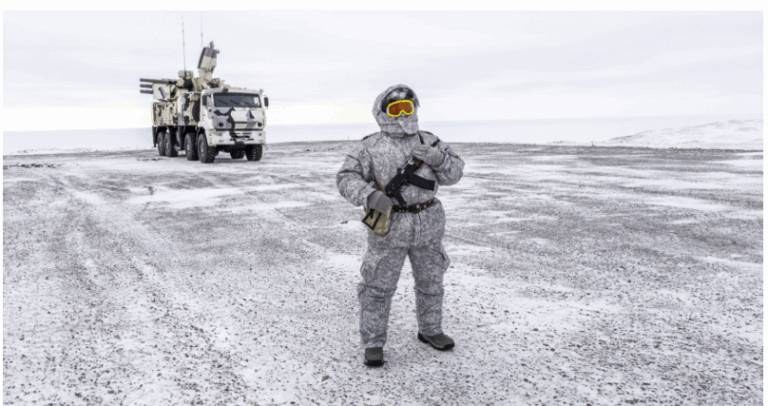
The Arctic region has emerged as a pivotal arena in contemporary geopolitics, driven by accelerating climate change, emerging resource wealth, and shifting strategic interests. Major global actors—including China, Russia, and European nations—are engaged in a complex interplay of influence, military buildup, and economic investment, transforming the Arctic from a largely frontier region into a critical geopolitical battleground.
China’s Strategic Ambitions in the Arctic
Despite lacking territorial sovereignty in the region, China has actively sought to establish a foothold in the Arctic, positioning itself as a “trans-Arctic” stakeholder. This pursuit is motivated by multiple factors: access to untapped natural resources—such as oil, natural gas, and minerals—and the development of new shipping routes, notably the so-called “Polar Silk Road,” which could significantly shorten trade pathways between East and West.
Beijing’s approach encompasses land acquisitions, port development, and scientific research initiatives, aiming to secure influence without formal territorial claims. This strategy reflects China’s broader Belt and Road Initiative, extending its reach into polar geopolitics through a combination of economic diplomacy and strategic infrastructure projects.
Climate Change as a Catalyst
The Arctic is warming at approximately four times the global average, resulting in unprecedented ice melt and resource accessibility. This environmental transformation not only exposes vast reserves but also creates navigable routes—such as the Northern Sea Route and the potential “Polar Silk Road”—which could revolutionize global trade, reducing transit times and costs.
This rapid environmental change has intensified competition among Arctic and non-Arctic states, transforming the region into a strategic focus for energy security, resource extraction, and maritime dominance.
Russia’s Arctic Resurgence
Russia maintains the most extensive Arctic coastline and has invested heavily to assert its regional dominance. Controlling approximately 50% of the Arctic coastline, Moscow’s strategy involves expanding military presence—deploying strategic weapons, establishing LNG and port infrastructure, and conducting joint military exercises with China and other partners.
The Russian Northern Fleet operates from the Kola Peninsula, hosting Moscow’s principal nuclear arsenal. Russia’s Arctic initiatives aim to safeguard its economic interests and assert sovereignty over key regions, such as the Kola and Barents Seas, while also leveraging the region’s resources to bolster national power.
European and Norwegian Defense Posture
European nations, particularly Norway, have taken proactive steps to reinforce regional security. Norway’s military installations—such as the joint headquarters in Bodo—monitor suspicious activity, including submarine cables, pipelines, and aircraft movements that could be linked to espionage or military threats.
The heightened military activity risks fueling a new Cold War dynamic, with increased patrols, defense spending, and strategic deployments reflecting fears of escalation, especially amid Russia’s assertiveness and China’s expanding influence.
Svalbard: A Microcosm of Arctic Competition
The archipelago of Svalbard epitomizes the region’s geopolitical tensions. While under Norwegian sovereignty, its international treaty status allows citizens of multiple nations to operate there, leading to a patchwork of military, research, and civilian activities. Russian military parades, Soviet-era flags, and suspicions of Chinese research stations underscore its role as a strategic outpost.
Indigenous Perspectives and Environmental Concerns
The indigenous peoples of the Arctic—from Greenlandic Inuit to Siberian communities—find themselves increasingly marginalized in this geopolitical contest. Many express concerns over environmental degradation, resource exploitation, and what they perceive as a form of “green colonization” under the guise of climate action. Their voices highlight the importance of integrating indigenous rights and environmental sustainability into regional geopolitics.
From Cooperation to Geopolitical Competition
Historically, Arctic nations engaged in cooperative frameworks—such as the Arctic Council—to manage regional issues peacefully. However, the current environment is marked by heightened mistrust, military posturing, and resource-driven competition, fueled by the broader global polarization and strategic rivalries.
The melting ice caps and emerging navigational routes have transformed the Arctic into a vital strategic frontier—no longer a “special case” but a critical nexus of international power dynamics.
As climate change continues to reshape the Arctic landscape, the region’s geopolitical significance will only intensify. Major powers are recalibrating their strategies—balancing environmental concerns, resource interests, and security imperatives—in a complex dance that will define global influence for decades to come.
Ask me anything
Explore related questions