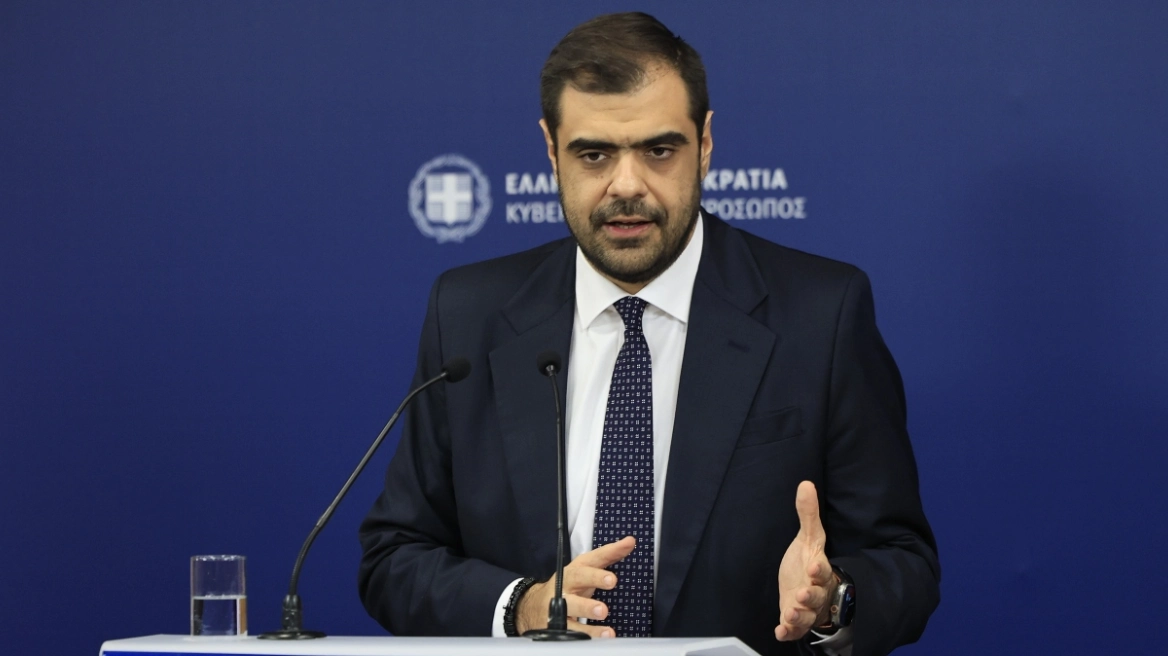






With 62.76% of the vote, Tufan Erhürman defeated Ersin Tatar in the unauthorized “elections” held in the Turkish-occupied north of Cyprus, where voter turnout reached approximately 65%. The outcome reshapes the internal balance of power within the occupied territories and is interpreted as a decisive rejection of Tatar’s term, which was marked by uncompromising advocacy for a “two-state” solution, direct confrontation with any federal framework, and a deepening dependency on Turkey in both economic and administrative affairs.
The vote for Erhürman is broadly interpreted as a reaction against this system of political tutelage and as a call for dignity, institutional normality, and relief from Turkish oversight. International media outlets emphasized that the result signifies a “shift in expectations,” potentially opening the way for a renewed dialogue on resolving the Cyprus issue.
What Erhürman Said — and What He Avoided
In his first public appearance before supporters at Kızılbaş Park in occupied Nicosia, Erhürman described the outcome as a “victory for everyone” and called for “brotherhood among all citizens, regardless of where they or their parents were born.”
This rhetoric implies full political recognition of settlers as “citizens” of the self-declared entity — a stance with significant implications for any future settlement, given that population transfer and demographic alteration constitute violations of international law.
At the same time, Erhürman deliberately avoided defining his position on the form of a future solution. He stated that on issues of “foreign policy,” he would act in coordination with Turkey, as has “historically” been the case with previous “presidents,” suggesting continuity rather than divergence from Ankara’s influence.
Messages from Ankara
President Recep Tayyip Erdoğan congratulated Erhürman, referring to the result as “beneficial for our ‘countries’ and the region” and reaffirmed Turkey’s continued support. Similar statements of “steadfast backing” followed from Vice President Cevdet Yılmaz, the Turkish Ministry of Foreign Affairs, and other institutional actors in Ankara.
In contrast, Devlet Bahçeli, leader of the Nationalist Movement Party, adopted a hardline tone, calling in effect for the rejection of the outcome on grounds of voter participation and urging the occupied administration to pursue formal integration with Turkey.
The mixed reactions highlight Ankara’s intent to maintain control, alternating between conciliatory and assertive messaging.
Tatar’s Disappointment
Outgoing Turkish Cypriot leader Ersin Tatar conceded defeat, acknowledging that “the voters have decided,” but hinted at external “factors” influencing the outcome. He announced a period of “reflection and rest” before deciding his next steps — a stance seen less as self-criticism and more as an attempt to shift blame toward the parties that had supported his “independent” candidacy.
Measured Optimism from Nicosia
Cyprus President Nikos Christodoulides congratulated Erhürman and expressed readiness for a meeting aimed at restarting UN-mediated negotiations. Parliament Speaker Annita Demetriou emphasized that the result constitutes a rejection of the “two-state” model. AKEL Secretary-General Stefanos Stefanou noted that the Turkish Cypriot vote signals a desire for rapprochement and a federal settlement based on political equality.
The Key Lies in Ankara
The current atmosphere recalls the elections of Mehmet Ali Talat (2005) and Mustafa Akıncı (2015), when both Nicosia and European capitals anticipated a “window of opportunity.” Yet, as before, Ankara ultimately retained control, halting talks at decisive moments.
The critical question today is not Erhürman’s intent but whether Turkey will permit a substantive negotiating process. His election could provide Ankara with diplomatic cover to adjust its stance, citing the “will” of the Turkish Cypriot community.
Realistically, Turkey is unlikely to abandon its “two-state” doctrine immediately. However, the current shift affords Ankara flexibility to project moderation and advance its strategic objectives:
- Re-engagement with the European Union to access industrial and defense-related funding programs such as SAFE;
- Active participation in Eastern Mediterranean energy networks;
- Normalization with the United States, with an eye toward re-entering advanced fighter jet programs.
A Calculated Pragmatism
Against this backdrop, presenting a “moderate interlocutor” in the occupied territories strengthens Ankara’s diplomatic posture as ostensibly constructive. Nonetheless, tangible progress depends on two key factors:
- Acceptance of a federal, bizonal, bicommunal framework for renewed talks;
- A cessation of unilateral actions on the ground, particularly regarding property usurpations in the north.
The United Nations Secretary-General António Guterres and his envoy María Ángela Holguín Cuéllar are expected to explore the possibility of informal talks between the two community leaders to determine whether minimal common ground exists. Such ground would entail agreement on confidence-building measures (energy cooperation, border crossings, connectivity) and a defined process with timelines and dispute-resolution mechanisms.
Without firm commitments to these principles, any new initiative risks remaining symbolic.
Cautious Reactions
The Turkish Cypriot vote sent a political message against Ankara’s absolute tutelage, but it does not automatically translate into a breakthrough for reunification. Erhürman’s discourse combined internal inclusivity with external reassurance toward Turkey. Ankara’s congratulations were strategic, while Nicosia expressed readiness to engage.
The key question remains: Has the guard merely changed in the north, or is Ankara’s policy truly shifting?
Until that becomes evident, optimism and applause should remain restrained.
Ask me anything
Explore related questions