


×
GreekEnglish

×
  • Politics
  • Diaspora
  • World
  • Lifestyle
  • Travel
  • Culture
  • Sports
  • Cooking
Tuesday
13
Jan 2026
weather symbol
Athens 5°C
  • Home
  • Politics
  • Economy
  • World
  • Diaspora
  • Lifestyle
  • Travel
  • Culture
  • Sports
  • Mediterranean Cooking
  • Weather
Contact follow Protothema:
Powered by Cloudevo
> Greece

After the bailouts: Greece’s journey from debt to debt management

Greece continues to repay its loans ahead of schedule at an accelerating pace. The latest repayment was €1.1 billion returned to France, benefiting both the Greek economy and the country’s international image

Newsroom November 26 06:16

The French newspaper Le Monde highlights this early repayment as a significant advantage for the French economy, helping reduce its deficit, especially at a time of serious fiscal challenges in Paris. This repayment, originally due after 2033, is now scheduled for 2025.
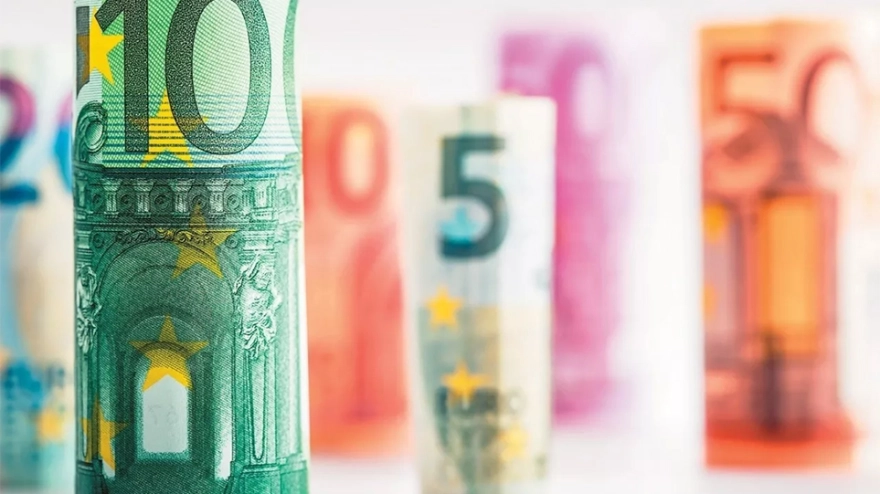
The move reflects Greece’s regained credibility in international markets, with Le Monde noting that Greece is now considered a safer borrower than France, with slightly lower borrowing costs.

This change marks a clear shift: from being seen as a risky, bankrupt member of the Eurozone, Greece is now a reliable and creditworthy partner, able even to assist those who once criticized it, like France during Nicolas Sarkozy’s presidency.

This turnaround did not happen overnight. It is the result of painful sacrifices by the Greek people and consistent policies aimed at restoring trust in the Greek economy. Credibility is not given freely on the international stage—it must be earned through clear priorities, programs, and tangible actions, such as early debt repayments.
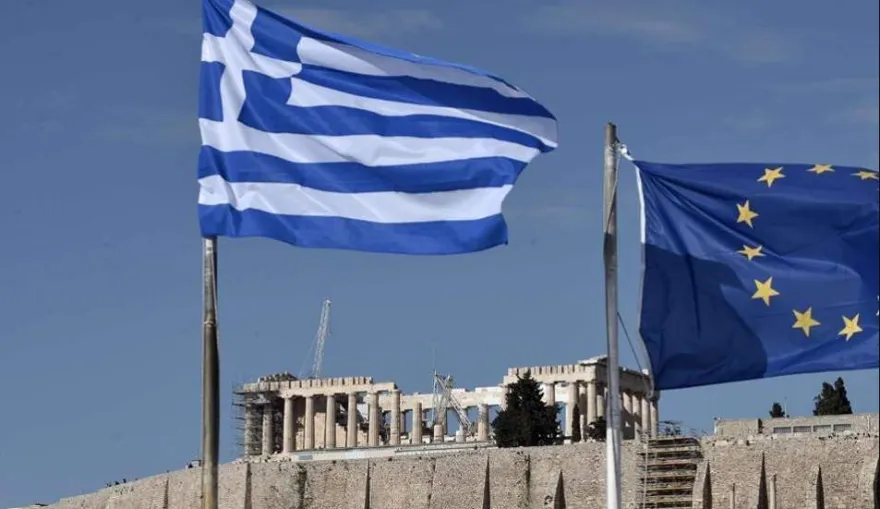
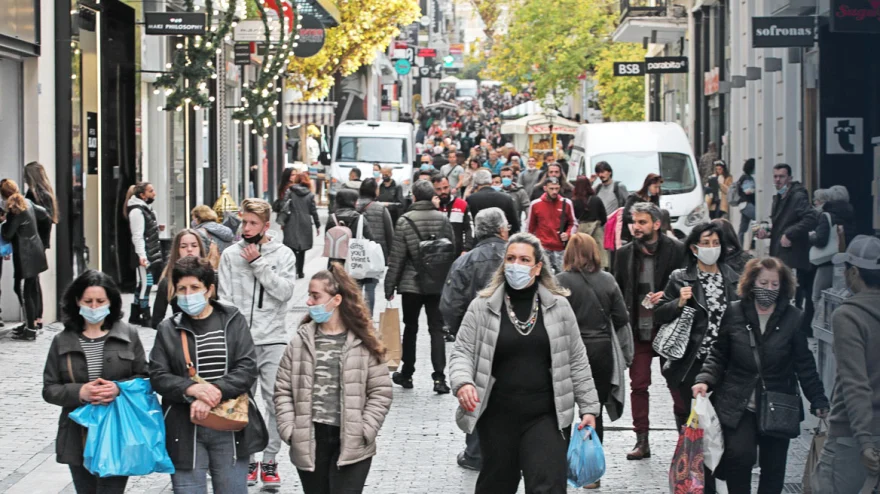
Despite ongoing challenges such as inflation and energy costs, this regained economic credibility has allowed Greece to support its citizens through relief measures that would otherwise be impossible.

A Look Back at Greece’s Debt History

The country’s debt problems have deep roots. In 1993, Greece’s public debt first exceeded 100% of GDP. Despite some growth spurts, the debt continued to rise sharply in the 2000s. The financial crisis of 2009 pushed debt to nearly €300 billion, or about 130% of GDP.

In 2010, Greece entered bailout programs with the IMF and Eurozone partners, beginning a long period of austerity, economic hardship, and social strain. Debt kept rising, reaching over 170% of GDP in 2011 and peaking near 206% during the COVID-19 pandemic in 2020.

The bailout loans came in several stages, with total loans from Eurozone countries and the IMF reaching over €250 billion at their peak.
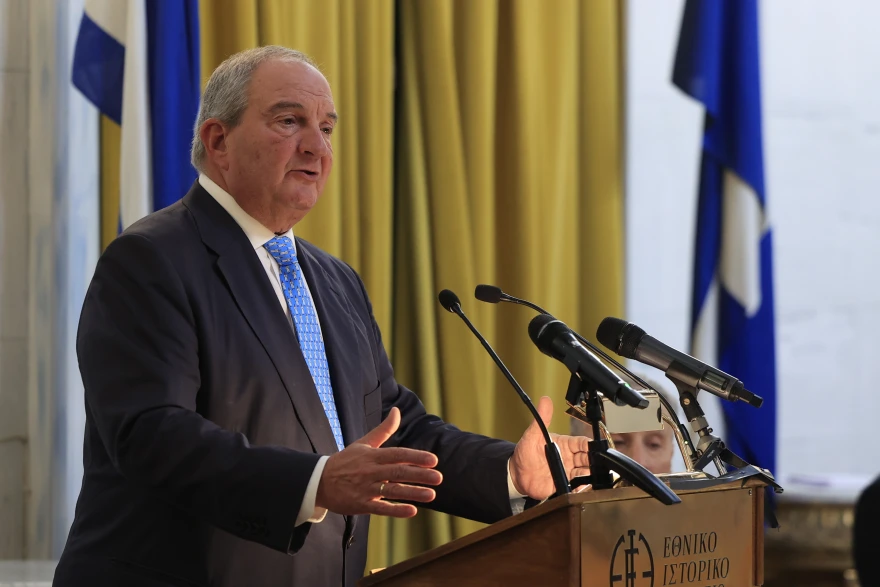
Repayment and Recovery

Since 2019, Greece has accelerated repayments, paying off IMF loans earlier than planned. This has reduced the cost of borrowing and improved market confidence.
Early repayments of European bailout loans have also begun, with scheduled payments in 2022, 2023, and 2024, and more planned for the coming years.

Despite pandemic-related setbacks, Greece’s debt-to-GDP ratio has steadily improved, and it is projected to fall below 140% by 2026—the lowest level since 2010.

This progression reflects a new chapter for Greece—moving from crisis to recovery, rebuilding its standing in Europe and the global economy.

>Related articles

Britain: How it attempts to ‘erase’ national debt with money from a 1927 charity fund

New early debt repayment of €5.3 billion by Greece today: The benefits for the country, households & businesses

Double relief arrangement offers a breather for thousands of professionals and households: An end to “hostage-taking” by debt

Ask me anything

Explore related questions

#debt#debt management#Greek bailout
> More Greece

Follow en.protothema.gr on Google News and be the first to know all the news

See all the latest News from Greece and the World, the moment they happen, at en.protothema.gr

> Latest Stories

Seven challenges that will dominate global health in 2026

January 13, 2026

Open confrontation between the Association of the victims of Tempi and Karystianou: “She had to resign” – “I will leave if the assembly asks me to”

January 13, 2026

Winter chill recedes – Warmer weather approaching

January 13, 2026

“They just kept killing”: Shocking testimonies of Iranian protesters as Trump targets Tehran’s trading partners

January 13, 2026

What lies behind Russia’s offensive against Patriarch Bartholomew

January 13, 2026

How blockade hardliners undermined the third attempt at government dialogue

January 13, 2026

Greece returns to markets with new 10-year bond issue

January 13, 2026

Government turns tough on farmers’ unions as talks collapse again

January 13, 2026
All News

> World

Seven challenges that will dominate global health in 2026

The health field for the year ahead is shaped by major challenges and new opportunities that will set the global public health agenda

January 13, 2026

“They just kept killing”: Shocking testimonies of Iranian protesters as Trump targets Tehran’s trading partners

January 13, 2026

Shark attack on woman in Brazil: ‘I knew it had bitten me’, watch video

January 12, 2026

Maria Machado at the Vatican, a few days before she meets Trump

January 12, 2026

The local judicial authorities decided to detain the owner of the bar in Crans-Montana for three months

January 12, 2026
Homepage
PERSONAL DATA PROTECTION POLICY COOKIES POLICY TERM OF USE
Powered by Cloudevo
Copyright © 2026 Πρώτο Θέμα