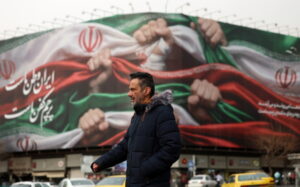





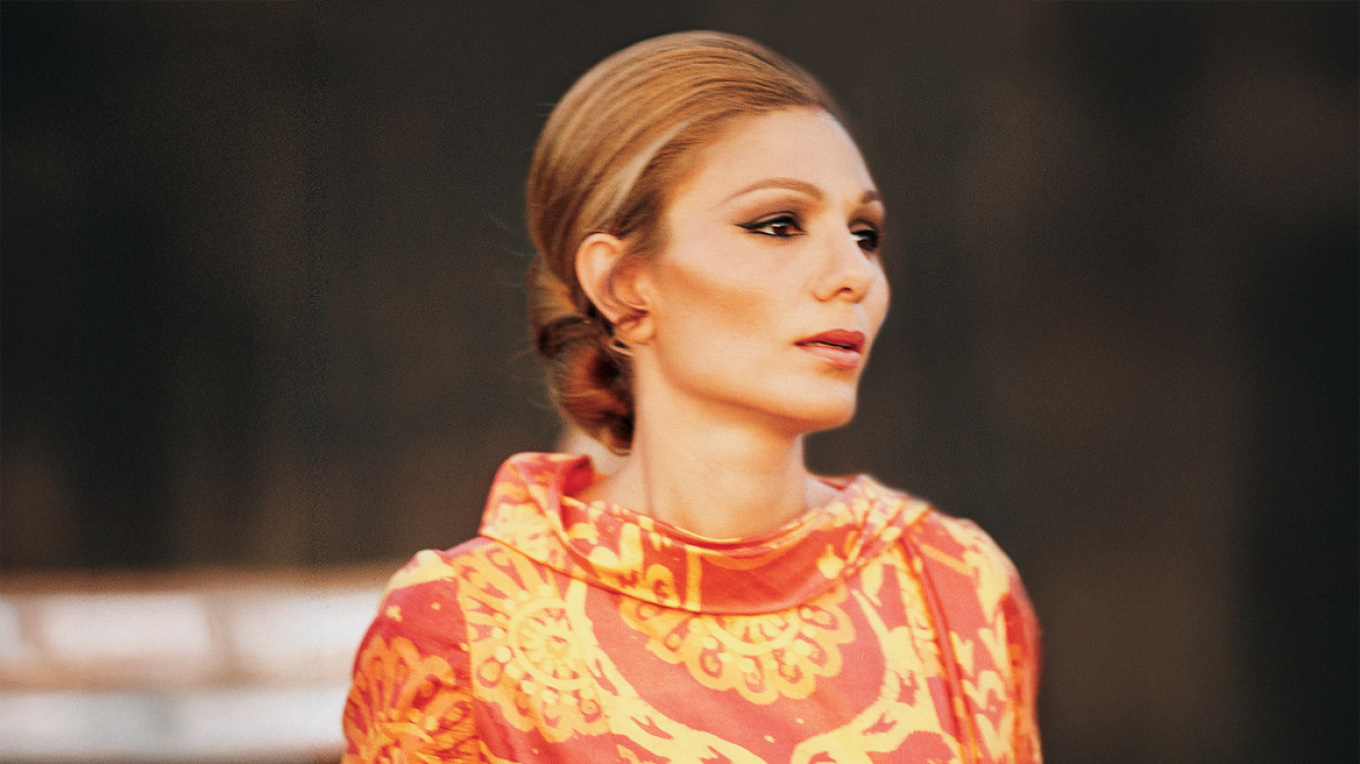
Farah Diba Pahlavi, with her once-happy and at times dramatic life, has always been a legendary figure. For some, she is the “Grace Kelly” of the East; for others, the “Jackie of the East.” She is a figure of the international jet set who, even after her family lost the throne of Persia, was always welcomed in high society circles. One unforgettable moment was a party organized a few years ago in Paris by a friend and ardent monarchist, where Diba blew out her birthday candles in front of 5,000 adoring guests. Today, in a completely different reality and amid bloodshed in Iran, she recently called on security forces to stand with the protesters and expressed her belief that the people would soon celebrate their freedom.

Born on October 14, 1938, into a wealthy family with roots in Iran’s East Azerbaijan and along the Caspian Sea coast, Farah lost her father at a very young age. The Diba family was forced to leave their luxurious life and live in a small house owned by an uncle in Iran. Farah’s love for aesthetics and the arts led her to Paris and the École Spéciale d’Architecture, where she studied architecture. At that time, the Shah was also in Paris, meeting Iranian students. At one of these cocktail parties, Mohammad Reza Pahlavi and Farah Diba met for the first time, and their meeting proved more than fateful. At the time, the Shah had just divorced his second wife, the “sad princess” Soraya, who had been unable to give him an heir.
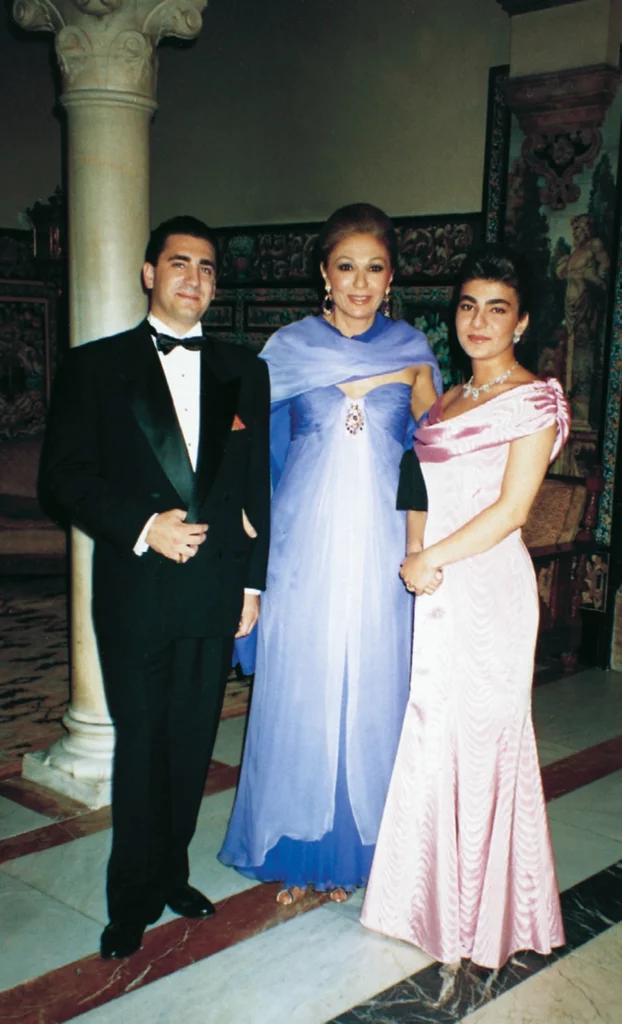
In the summer of 1959, with the help of his daughter, Princess Shahnaz, the courtship between the Shah and the young Iranian student began. He was 40, she was 21. The age difference posed no obstacle.

The rest unfolded like a fairy tale. In November 1959, the couple became engaged, and on December 20, the international press spotlighted the most dazzling wedding of the year at the Golestan Palace in Tehran, awash with luxury, wealth, and French elegance.

The wedding dress was by Dior, designed by Yves Saint Laurent, then the house’s artistic director. It required countless meters of gold thread and featured embroidery with pearls. And the jewelry? It matched Persia’s wealth. The future empress wore a diamond necklace, yellow diamond earrings, and a diamond tiara by Harry Winston. The centerpiece was one of the largest pink diamonds in the world, the Noor-ol-Ain, meaning “light of the eye,” weighing more than two kilograms.
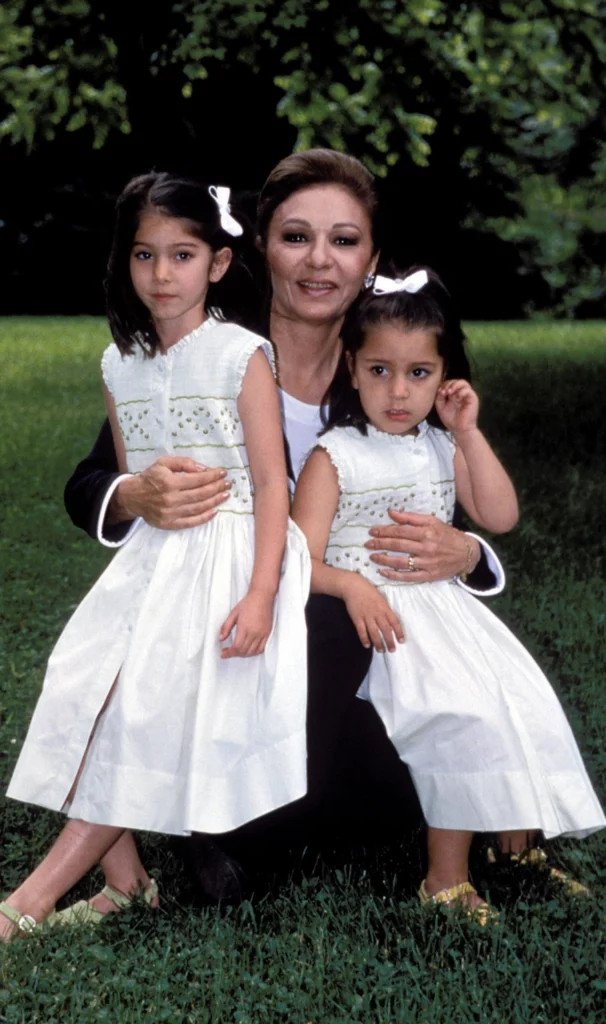
Diba loved architecture, but motherhood became the central focus of her life. In October 1960, the long-awaited heir, Reza Pahlavi, was born, followed by three more children: Princess Farahnaz Pahlavi, Prince Ali-Reza Pahlavi, and Princess Leila Pahlavi.

In 1967, the world witnessed the most magnificent coronation in 200 years in the Grand Hall of Golestan Palace. Van Cleef & Arpels created a new type of tiara for Iran’s first—and last—female empress. The royal couple arrived in a specially commissioned carriage from Vienna, modeled after the grandeur of the Habsburgs’ carriage.
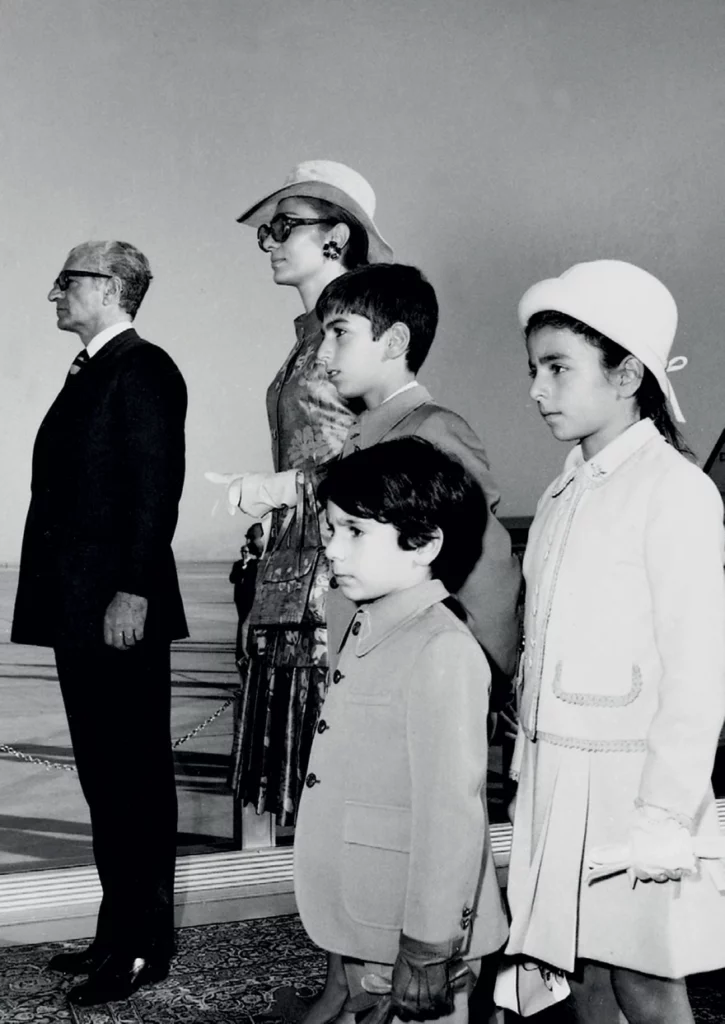
The glittering fairy tale did not last long. With the Islamic Revolution in 1978, the Shah and his wife left Iran. No country would host the wanted couple except Egyptian President Anwar Sadat. They sought residence elsewhere in the world, exiled but not poor—some reports estimated their fortune at around $3 billion.

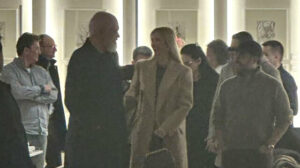
(In Athens)
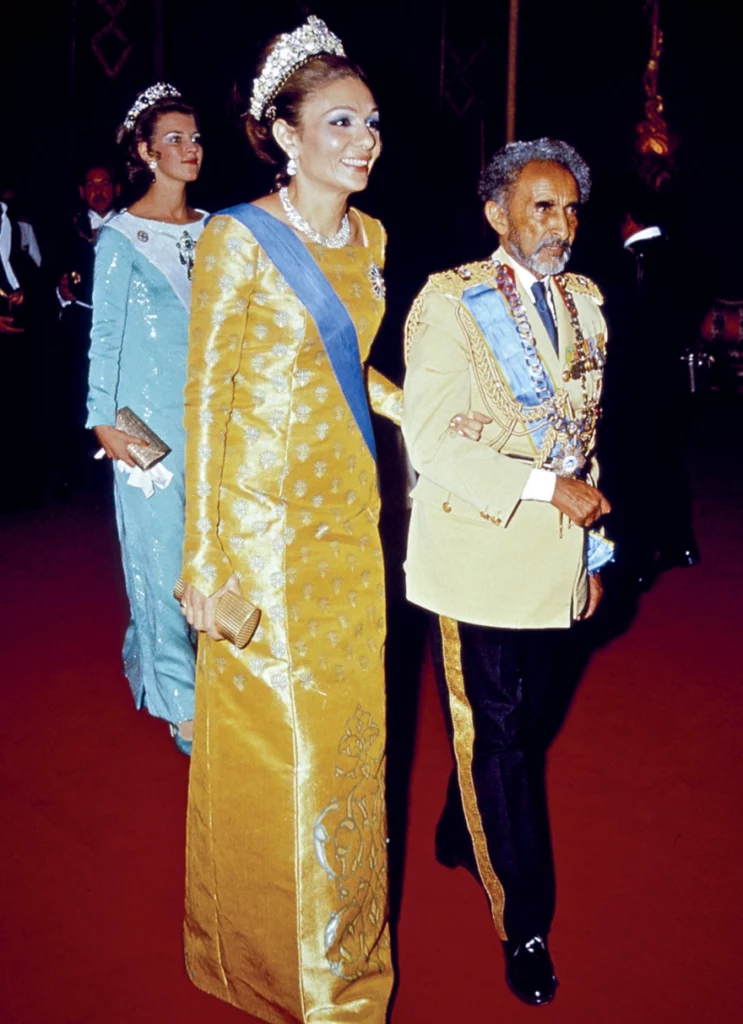
In 1980, the Shah died in exile, weakened by leukemia. The dream of returning to Persia remained just that—a dream. A year later, U.S. President Ronald Reagan invited Farah and her children, declaring them welcome in America. Today, she divides her life between Maryland and Paris, having lost two of her four children: one daughter to anorexia and one son to suicide. The foreign press referred to the “Pahlavi curse,” and indeed, exile and persecution took a heavy toll on the younger family members.


Today, 88-year-old Farah Pahlavi, whose memoirs were previously published by Fereniki editions, despite being far from her homeland, has engaged in significant philanthropic work. She participated in UNESCO initiatives, supported Middle Eastern women, and maintained a strong friendship with the late president of the Hellenic Children’s Cancer Society “ELPIDA,” Marianna Vardinoyannis.

The two met regularly in Athens and Paris as part of activities supporting sick and vulnerable groups. Whenever the former empress of Persia visited Greece, the Vardinoyannis family hosted her at their Athens Plaza hotel in Syntagma Square, providing the presidential suite. The once iron-willed lady of Iran has always had powerful connections, which she maintains to this day.

(With Marianna Vardinoyannis and Vangelis)
Ask me anything
Explore related questions