




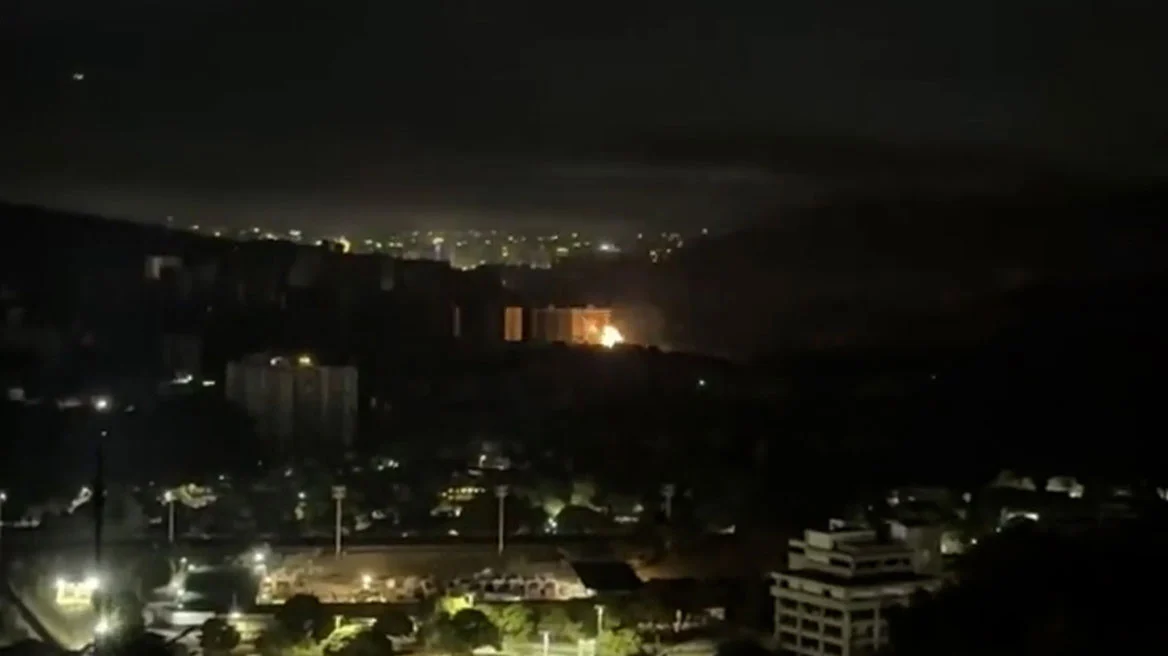
An in-depth CNN report reveals the highly dangerous conditions surrounding the recent U.S. operation to capture Venezuelan President Nicolás Maduro. The mission involved intense gunfire, low-flying helicopters, and a critical two-minute window that ultimately determined the operation’s outcome.
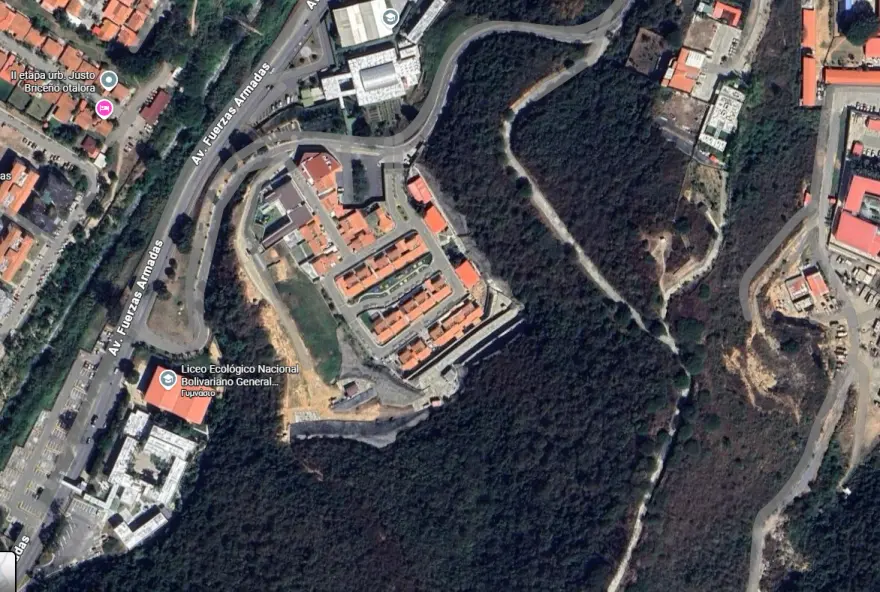
According to CNN’s analysis, based on over 50 videos and eyewitness images as well as detailed mapping of U.S. helicopter routes, the operation peaked during a fierce firefight in the final stage at the heavily fortified Fort Tiuna military complex in Caracas — identified as the most likely location where Maduro was extracted.
Despite its success, military analysts highlight that the level of risk was extreme. “This involved penetrating the heart of a sovereign nation to capture its president. If Russia or China attempted something like this in the U.S., it would be unthinkable,” noted retired U.S. Air Force officer Wes Bryant, adding that under other circumstances, the mission would likely have been aborted.
The Most Dangerous Moment: Helicopter Landing and Takeoff Under Fire
Videos show a fierce exchange of fire just before helicopters landed, with U.S. assault helicopters engaging Venezuelan anti-aircraft defenses. The critical phase lasted about two minutes, during which a transport helicopter landed and then took off amid continuous gunfire.
Experts emphasized this as the most perilous part of the mission. The helicopter’s slow, low-altitude flight made it vulnerable to even small arms fire, compounded by the choice of the most hazardous landing zone—right inside Maduro’s compound.
Long-Prepared Operation and Initial Strikes
The Fort Tiuna operation was carefully planned over months. In the early hours of January 3, a series of coordinated strikes targeted radar, communications, and anti-aircraft installations nationwide to clear a path for special forces helicopters. More than 150 aircraft took off from 20 land and sea bases, according to U.S. Joint Chiefs of Staff Chairman General Dan Kane.
Explosions were reported near Higuerote, a coastal town 80 km east of Caracas, where Russian-made Buk-M2 missile systems were stationed. CNN geo-located footage showing strikes on the local airport and Buk-M2 launchers emitting smoke at dawn.
Experts believe single-use attack drones similar to those deployed extensively in the Ukraine conflict were employed.
“Organized Chaos” Over Caracas
At 01:58 local time, two MH-47 Chinook transport helicopters appeared on video flying low through the narrow valley toward Fort Tiuna. Retired Air Force officer Bryant described the preliminary strike strategy as “organized chaos.”
Footage shows at least two helicopters landing under fire and quickly withdrawing, transporting forces involved in the mission’s first phase. General Kane later stated U.S. troops reached Maduro’s compound by 02:01.
Following this, the team searched and captured the Venezuelan president. Attack helicopters provided covering fire while transport choppers evacuated Maduro and the operatives amid intense anti-aircraft fire.
Extraction and Aftermath
Video footage shows dust clouds and rocket fire around the landing zone about 1 minute and 44 seconds after landing, followed by two Chinooks taking off, one flying low and fast without lights toward nearby hills.
By 03:00, the firefight in Caracas had ceased, and aircraft noises faded about an hour later. U.S. forces reportedly exited Venezuelan airspace by 04:29.
The exact location of the capture remains officially undisclosed but is identified as a heavily fortified residence protected by steep hills, high walls, and multiple security checkpoints.
A “Time Bomb” Mission
The operation involved land, air, and sea forces, including Delta Force and FBI units, according to CNN sources. Success was achieved in just a few minutes.
“Any single factor could have changed everything,” Bryant warned, calling the mission a “time bomb.” Venezuelan authorities reported 100 fatalities, while Cuba claimed 32 deaths among presidential guards. The Trump administration stated that no American casualties occurred.
Documents from the U.S. Department of Justice before the mission anticipated “significant resistance” with dozens of anti-aircraft systems capable of downing helicopters. Former President Donald Trump later admitted the operation “could have gone very, very badly.”
Ask me anything
Explore related questions