





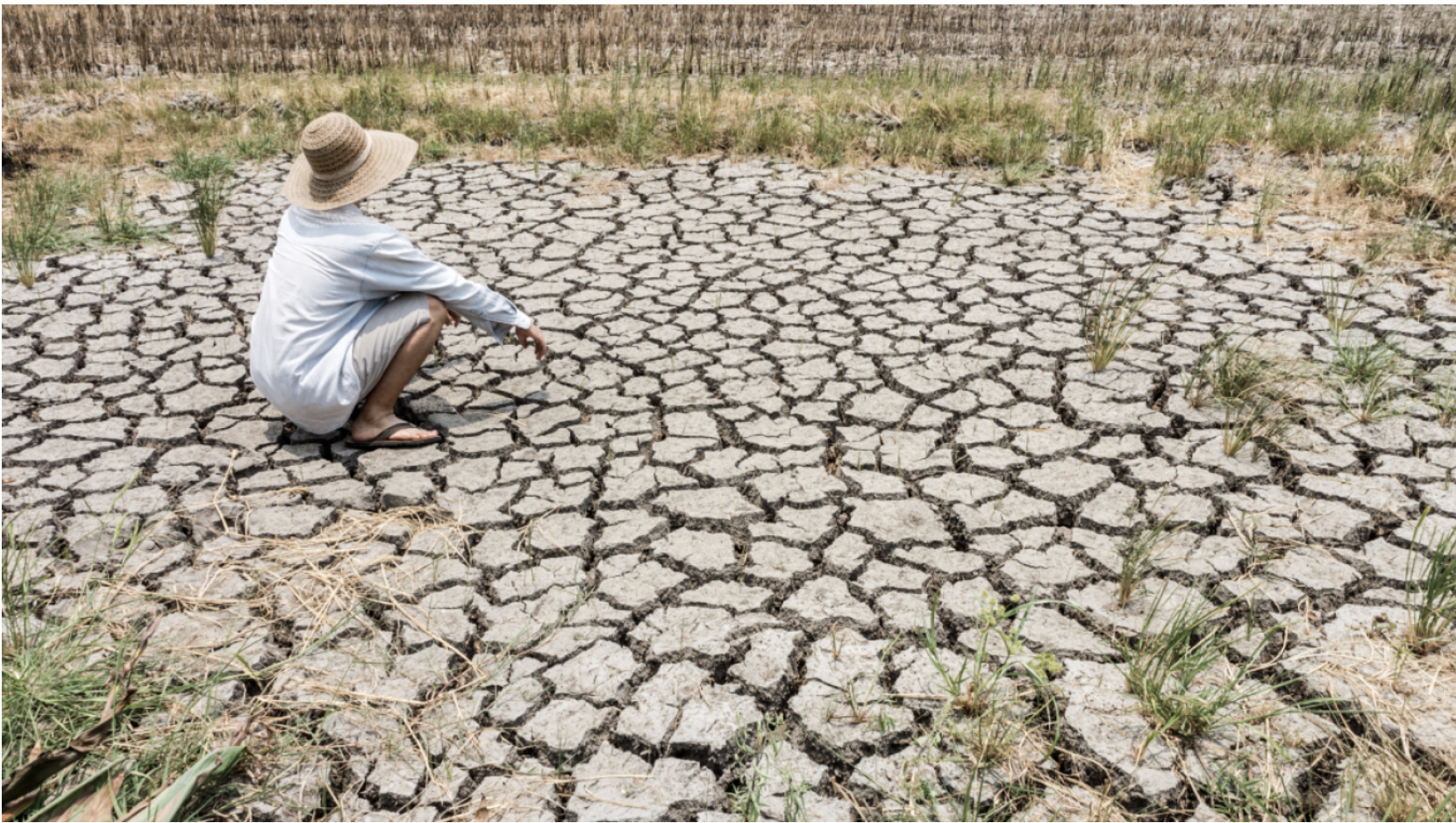
The planet is entering a period of “global water bankruptcy,” as more and more regions consume far more water than they are able to replenish, according to a report released on January 20 by the United Nations.
Climate change, land degradation, deforestation, pollution, and the over-extraction of water resources have led many countries to exhaust not only their water “income” from rivers and snowmelt, but also their “savings” in groundwater reserves. “Many regions are living beyond their hydrological means, and many water supply systems have already gone bankrupt,” notes Kaveh Madani, head of the research team that published the report.
A new @UNUniversity report introduces #water bankruptcy as a defining condition of global freshwater systems, warning that long-term overuse has pushed many rivers, aquifers, and ecosystems beyond realistic prospects of recovery.
— UN-Water (@UN_Water) January 21, 2026
🔗 https://t.co/Z6c2E54Doc#WaterBankruptcy pic.twitter.com/rmsTANZArx
Madani proposes the term “water bankruptcy” as more accurate than the concept of “chronic water scarcity,” stressing that this is not a temporary phenomenon but a long-term condition. As he explains, these are systems that have depleted their water resources to such an extent that they can no longer meet their needs without causing irreversible damage to nature.
The data are alarming: about 4 billion people face severe water shortages for at least one month every year, while nearly 75% of the global population lives in countries with insecure or critically inadequate access to water.
Red zones across the globe
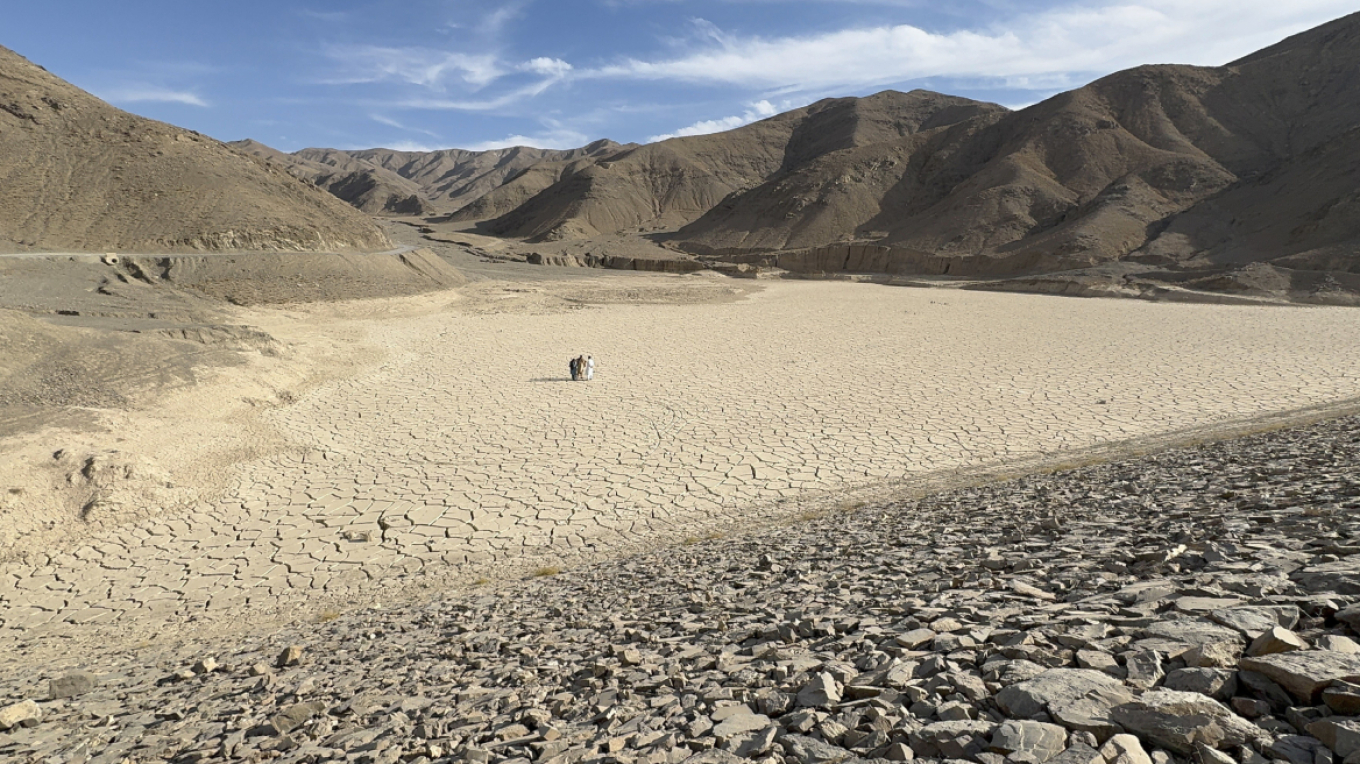
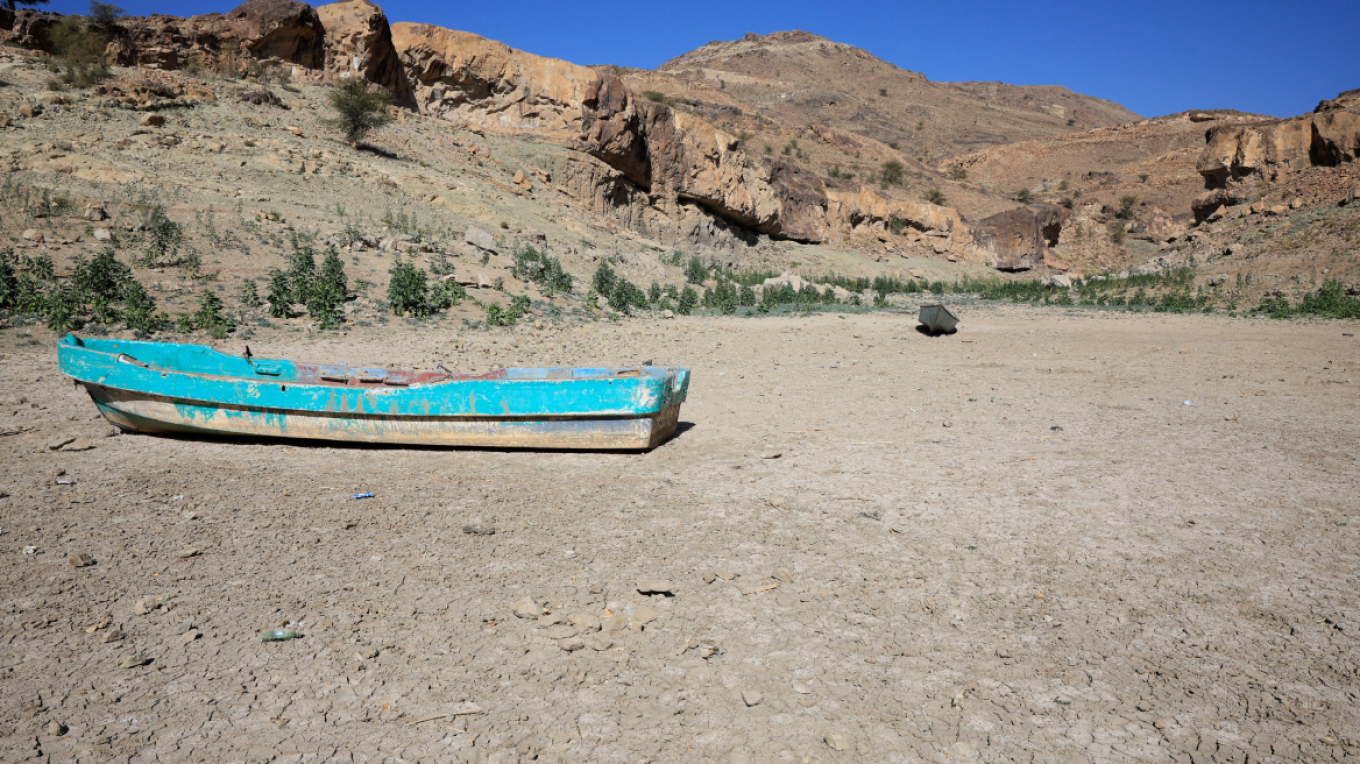
The report identifies “red zones” in various parts of the world. In the Middle East and North Africa, water stress is combined with political instability, while Tehran recently came very close to running out of water altogether. In South Asia, the over-pumping of groundwater for agriculture and rapid urbanization are causing aquifer levels to drop, with direct consequences for global food security.
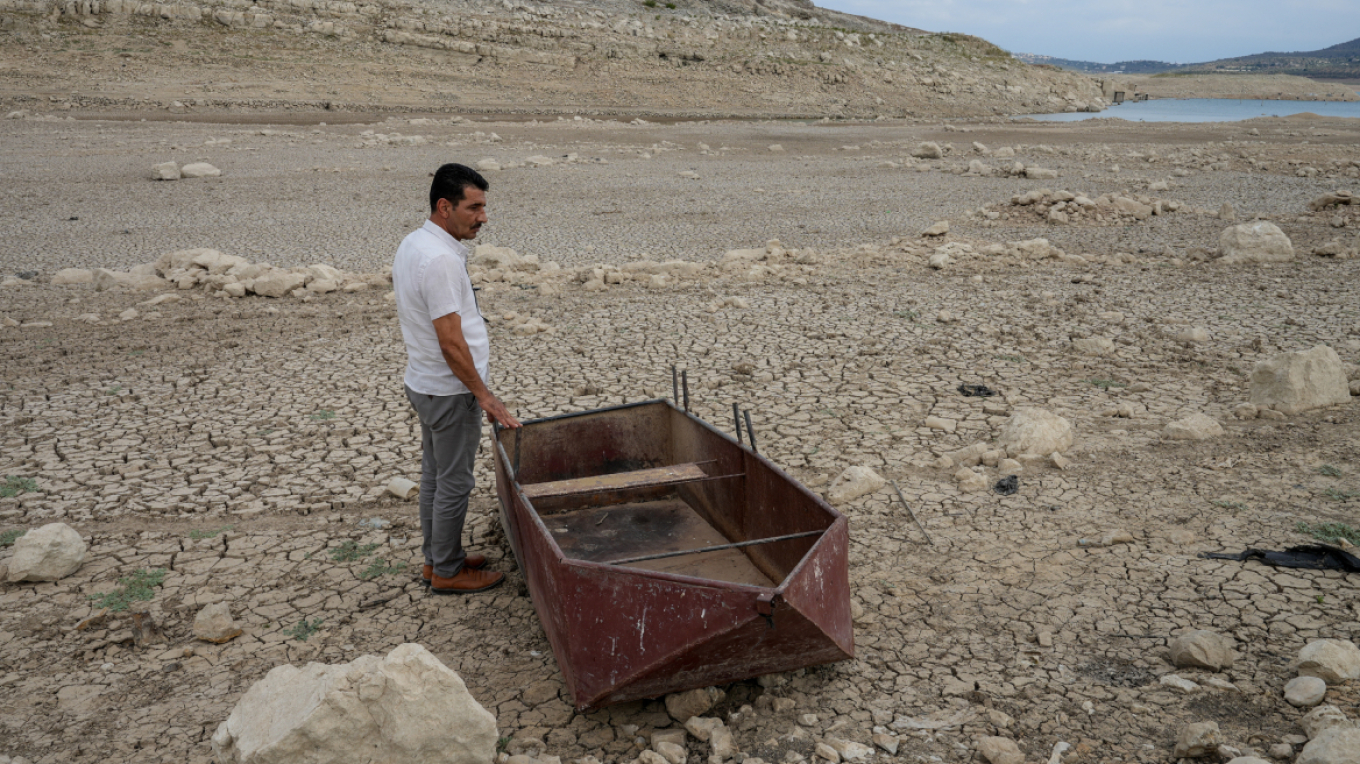
Similar problems are also recorded in the southwestern United States, where the flow of the Colorado River has decreased by about 20% during the 21st century, triggering tensions among states over the management of limited water reserves.
Call for a change in strategy
The authors of the report call for a shift in strategy. As emphasized, focusing solely on drinking water and efficiency is no longer sufficient. Deep reforms in agriculture, better water monitoring, and the integration of water issues into international negotiations on climate and development are required.
“We cannot bring back lost glaciers or refill groundwater reserves that have nearly dried up,” Madani notes. “But we can prevent the worst outcomes and learn to live within new, stricter hydrological limits.”
Ask me anything
Explore related questions


