




It’s been 30 years since the Imia Crisis. Over all these years, a series of analyses, articles, and books have been written, and documentaries and special features have been produced. It would not be strange, therefore, for one to assume that we have a complete picture of what happened during those days.
However, there are still unknown aspects of the crisis that cost the lives of three Greek naval officers and placed Greek–Turkish relations in the realm of “grey zones.” People who were there and played their own role away from cameras and publicity come forward so many years later and recount their own experience of those days, shedding light on details that, three decades later, escaped public discourse.
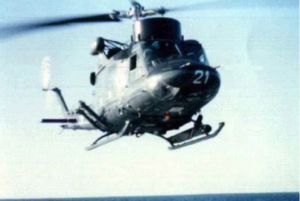
One of them is Colonel (ret.) Minas Kouzoupis. A pilot and instructor in the Hellenic Army Aviation, a friend of the fallen Lieutenant Commander Panagiotis Vlachakos, a trained investigator of aviation accidents, and one of the very few helicopter pilots who, according to his testimony, flew in the area during the first critical 24 hours after the crash of the Hellenic Navy AB-212ASW (ΠΝ21).
The Imia Crisis is mistakenly considered to have ended with the withdrawal of the forces of the two countries that followed the famous “no ships – no troops – no flags” of Richard Holbrooke. But what happened afterward? Was the withdrawal agreement observed, and to what extent, by the opposing forces? What movements were made by both countries in the area in the following days?
Colonel (ret.) Minas Kouzoupis also reveals technical details, the tactical situation in the hours after the helicopter’s crash, and, with his knowledge as an aviation accident investigator, sheds light on the causes that led to the loss of ΑΒ-212ASW and the tragic fate of its heroic crew.
Ask me anything
Explore related questions