




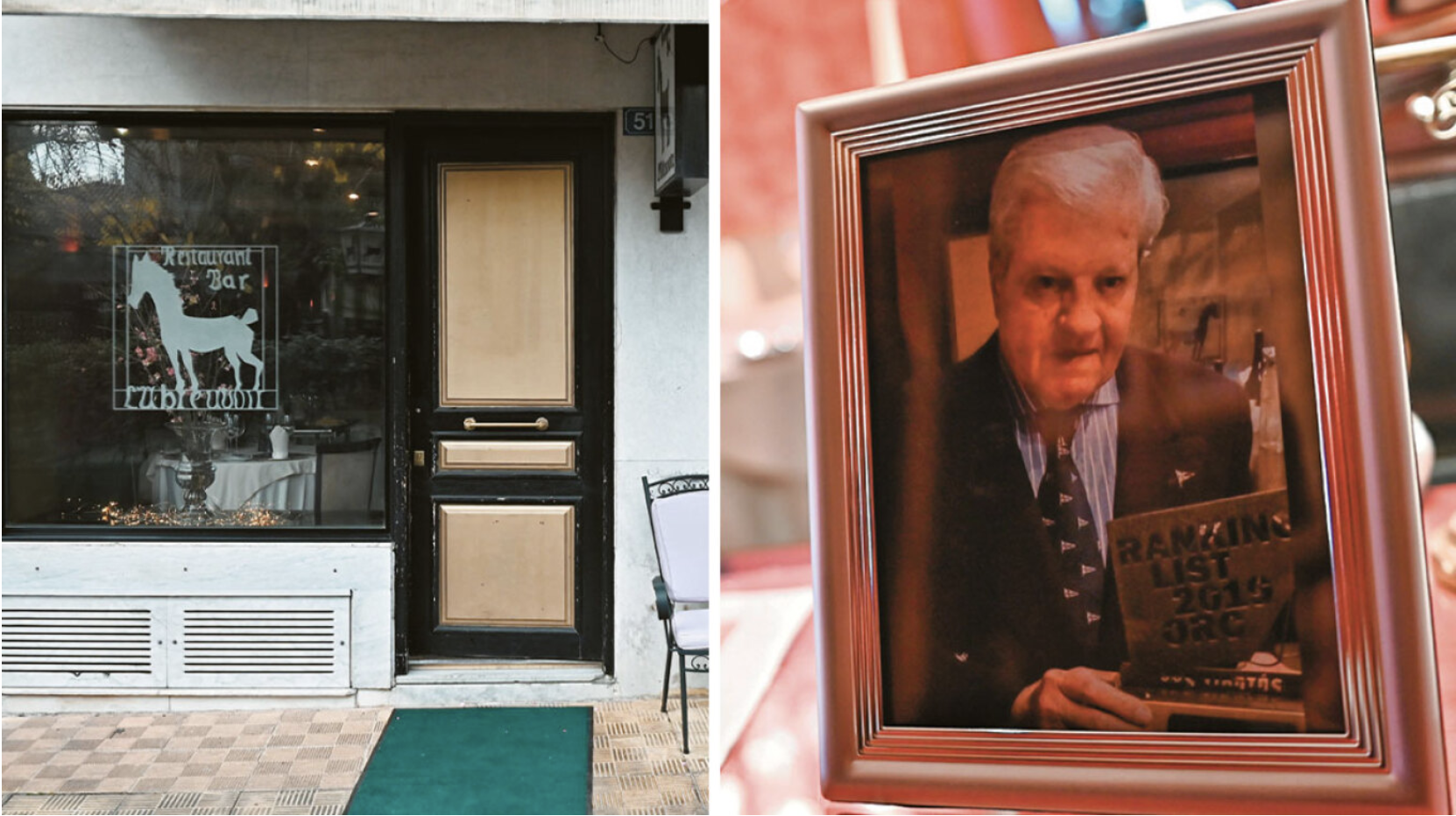
The day the young chef Alexis Kotsis stood in front of the property on Xenokratous Street that he had set his sights on together with his wife, Gianna, the road was unpaved, houses were few on the outskirts of Kolonaki, and just a short distance away sheep grazed peacefully. It was shortly before the mid-1960s, when this lover of flavor—who had studied cooking in Paris—decided to open in Athens the first restaurant to serve exclusively French cuisine.
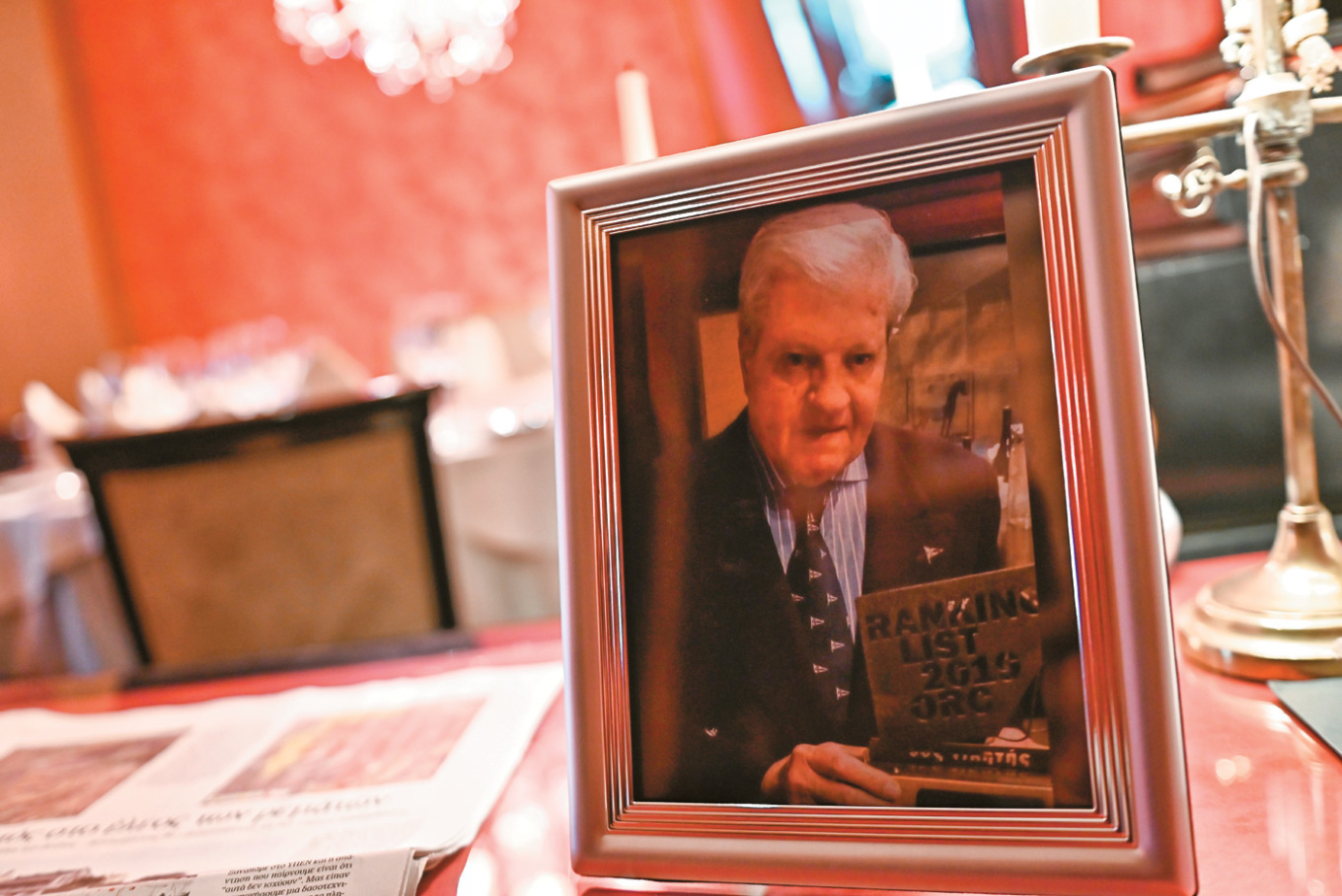
Alexis Kotsis (1936–2026)
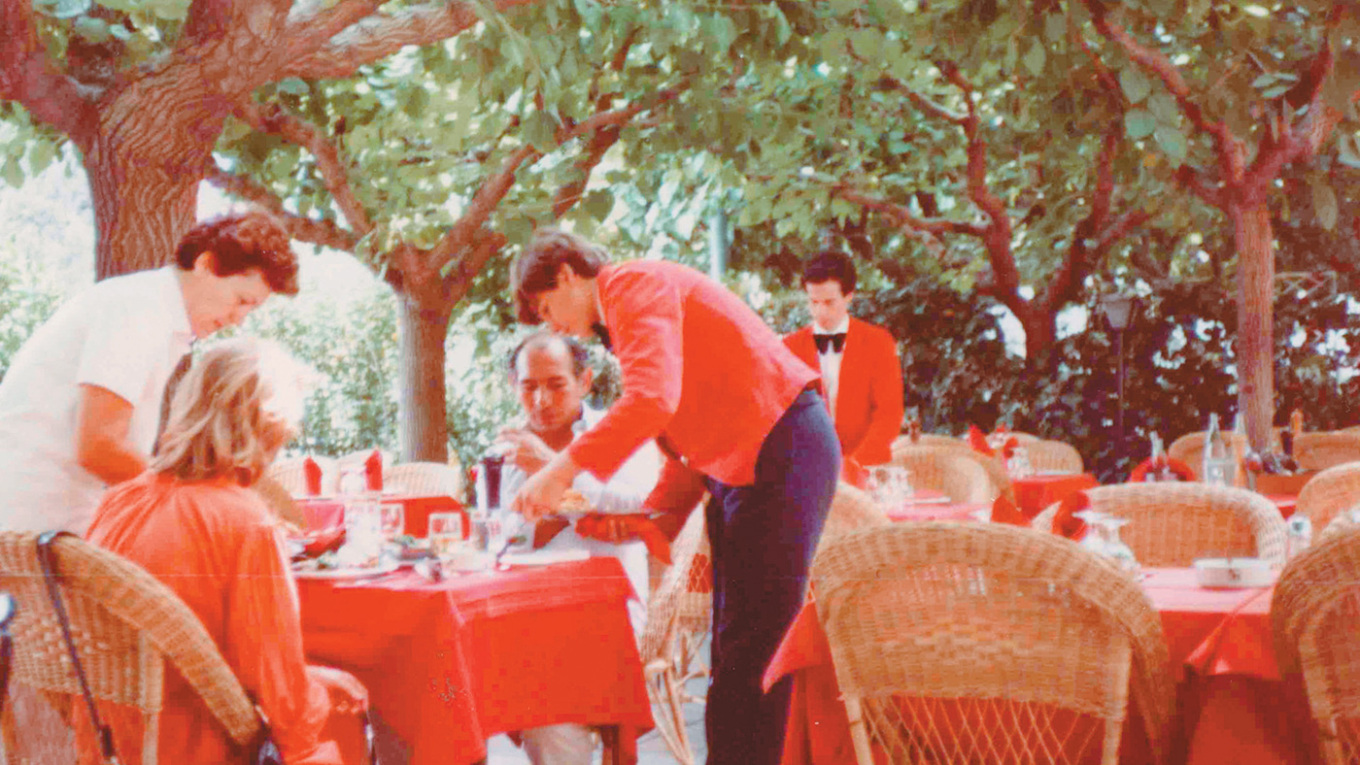
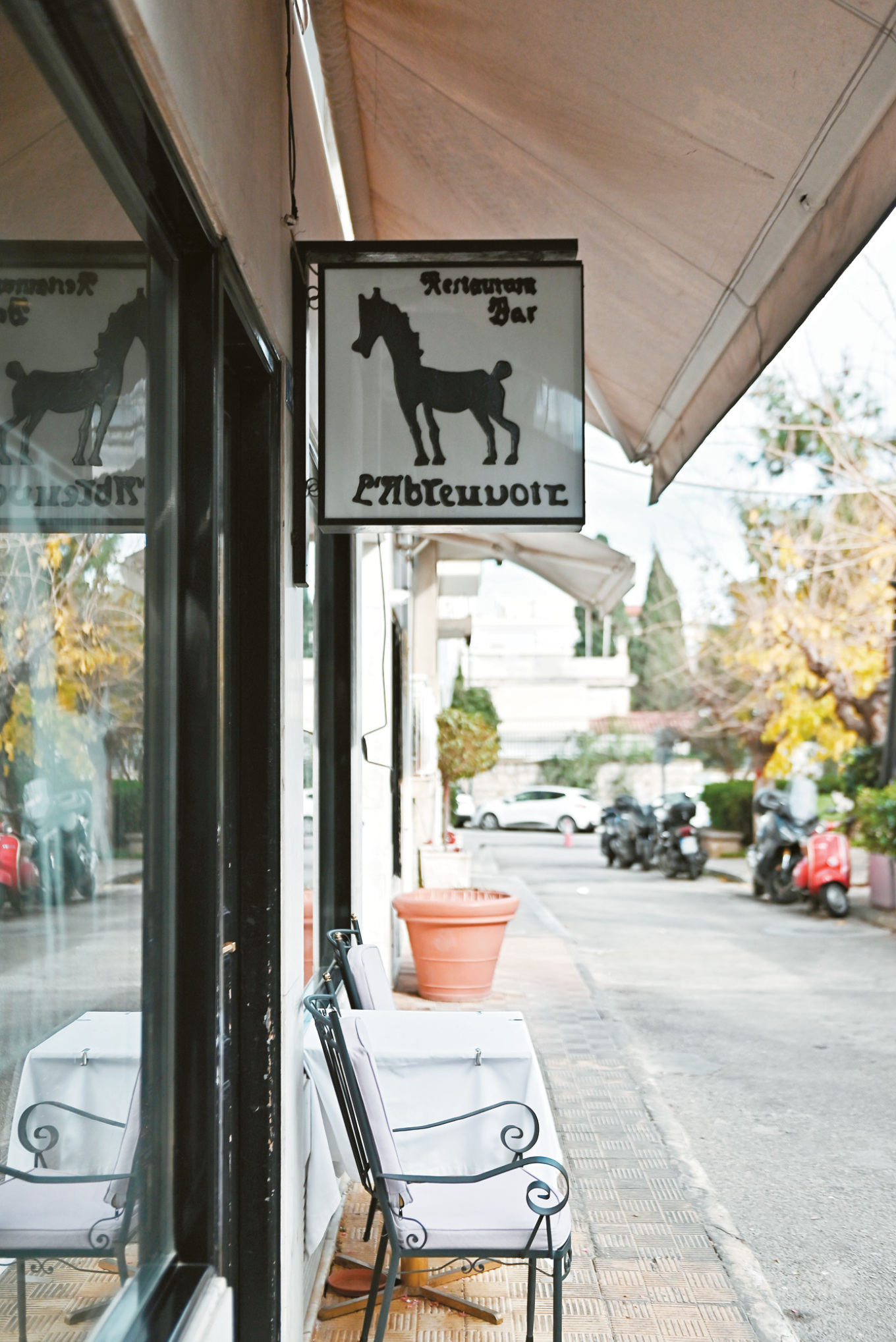
“L’Abreuvoir,” as it was named, would go on to mark Athens’ gastronomic map for decades and become a benchmark for consistency. At its tables—both indoors and in the beautiful garden—magnates such as Onassis and Niarchos, powerful businessmen, members of the upper bourgeoisie, and famous international stars enjoyed its dishes. Kotsis’ passing last Monday at the age of 90 undeniably marks the end of an era, even though the restaurant had long since been taken over by his two children, Spyros and Claire, who continued to uphold the legacy of a man who dared, in 1965, to open “L’Abreuvoir” when friends and acquaintances told him he was crazy to attempt such a thing.
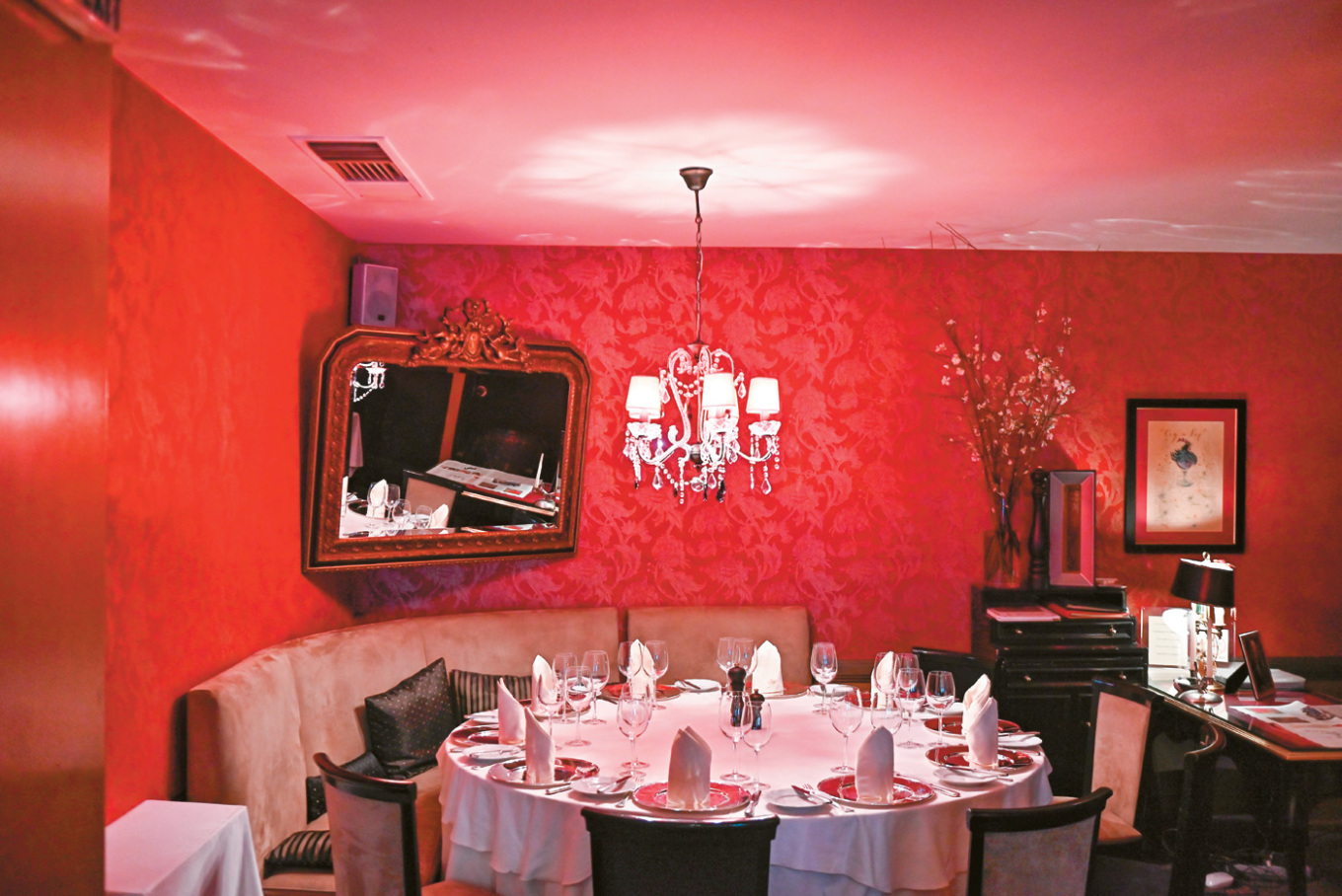
From Paris to Kolonaki
Born in 1936 and originating from Northern Epirus, Alexis Kotsis arrived in France following an uncle who had fallen passionately in love with a charming Frenchwoman. There he essentially grew up, learned the language, studied the art of cooking, and immersed himself in the cuisine of a country that adores butter, foie gras, snails, and fillets, among many other delights.
When he returned to Greece, he was hired by the French aluminum company Pechiney at its facilities in Aspropyrgos, Boeotia, to cook for its staff.
His menu always carried the aroma of France, and the enthusiastic praise from employees encouraged him to consider opening a purely French restaurant in 1960s Athens—a city gastronomically light-years behind other European capitals. From the very beginning, his late wife Gianna stood by his side. Together they saw the building that would become “L’Abreuvoir,” as well as the gravel the owner had spread over the dirt road outside. When Kotsis confided his idea to Christoforos Chatzopoulos—a Francophile and owner of the largest foreign press agency—he was called crazy, as he was by others too. Thankfully, Kotsis didn’t listen. He moved forward with the stubbornness of a determined chef who knew that when something is cooked properly and with excellent ingredients, success will follow. And he was right.
The Opening
By early March 1965, “L’Abreuvoir” was ready. The staff had been trained to Kotsis’ standards, and on March 18, 1965, the restaurant opened its doors to an Athens that had never seen anything like it. It quickly became the talk of high-society salons, drawing crowds to the creation of the then 30-year-old chef, with its exemplary service, well-dressed waiters, and an atmosphere free of loud voices and boisterous groups.
When Aristotle Onassis and Maria Callas dined there—along with Stavros Niarchos, both connoisseurs of French cuisine—the restaurant instantly gained a new stature. Members of Athens’ elite enjoyed everything from frog legs and peppered fillet to the famous crêpes Suzette flambéed with Grand Marnier, paired with fine French wines.
The Kotsis couple also knew how to maintain balance and discretion around their famous clientele. What happened at “L’Abreuvoir” never made it to society columns. On some days, one might see members of the Kanellopoulos family (owners of TITAN Cement) or the late Nikos Stasinopoulos of Viohalco—people who knew they could enjoy a meal without prying eyes.
The Most Private Dinner
Those prying eyes were likely what Theodoros Angelopoulos wished to avoid at the beginning of his relationship with his future wife, Gianna, when she wanted to thank him for inviting her to the Ecumenical Patriarchate of Constantinople, where they first met in person.
In her autobiography, the woman known as the “iron lady” of the 2004 Olympic Games recounts that when the businessman called her office and she said, “I’d very much like to do something in return,” he replied with four words: “Invite me to lunch.” The next day, after a meeting at Evangelismos Hospital—during a general strike—she walked from the hospital, wearing high heels as always. She arrived 15 minutes late, breathless, to find Angelopoulos waiting at the door, visibly annoyed. Only then did she realize they were alone in the restaurant. He had evidently booked the entire place—something he never admitted—so they could dine privately. It was undoubtedly the most private meal ever at the famous restaurant, with just two guests enjoying a Côte d’Azur salad and fillet Café de Paris with thin-cut fried potatoes.
The Famous Patrons
Much has changed since March 1965, when “L’Abreuvoir” opened at 51 Xenokratous Street, but little changed in the essence of Alexis Kotsis’ creation. As his daughter Claire has said, the street then had only three cars, and early customers included politicians, diplomats, merchants, and artists seeking late-night refuge after performances or shoots.
Some remember Dimitris Horn and Ellie Lambeti dining under the mulberry tree in the garden, where over the years many others sat as well: Aliki Vougiouklaki, Jenny Karezi, Alekos Alexandrakis, Alekos Fassianos, and Yiannis Moralis. Unforgettable was the night Liza Minnelli dined there after performing at the Odeon of Herodes Atticus. After finishing her meal, she spontaneously began to sing. Cutlery was set down; only her voice filled the air. When she finished, the room erupted in applause.
Another evening in the 1980s, Christina Onassis arrived without a reservation for the famous garden and waited on the steps of a neighboring apartment building until a table freed up, Spyros Kotsis once recalled. “L’Abreuvoir” was Peter Ustinov’s favorite spot whenever he visited Athens—he always ordered frog legs and fillet, without even asking for a menu. Sean Connery, however, seeking peace to dine with his wife, once appeared disguised as an elderly, limping man to evade paparazzi—at the French restaurant that has written, and continues to write, its own unique history.
Ask me anything
Explore related questions